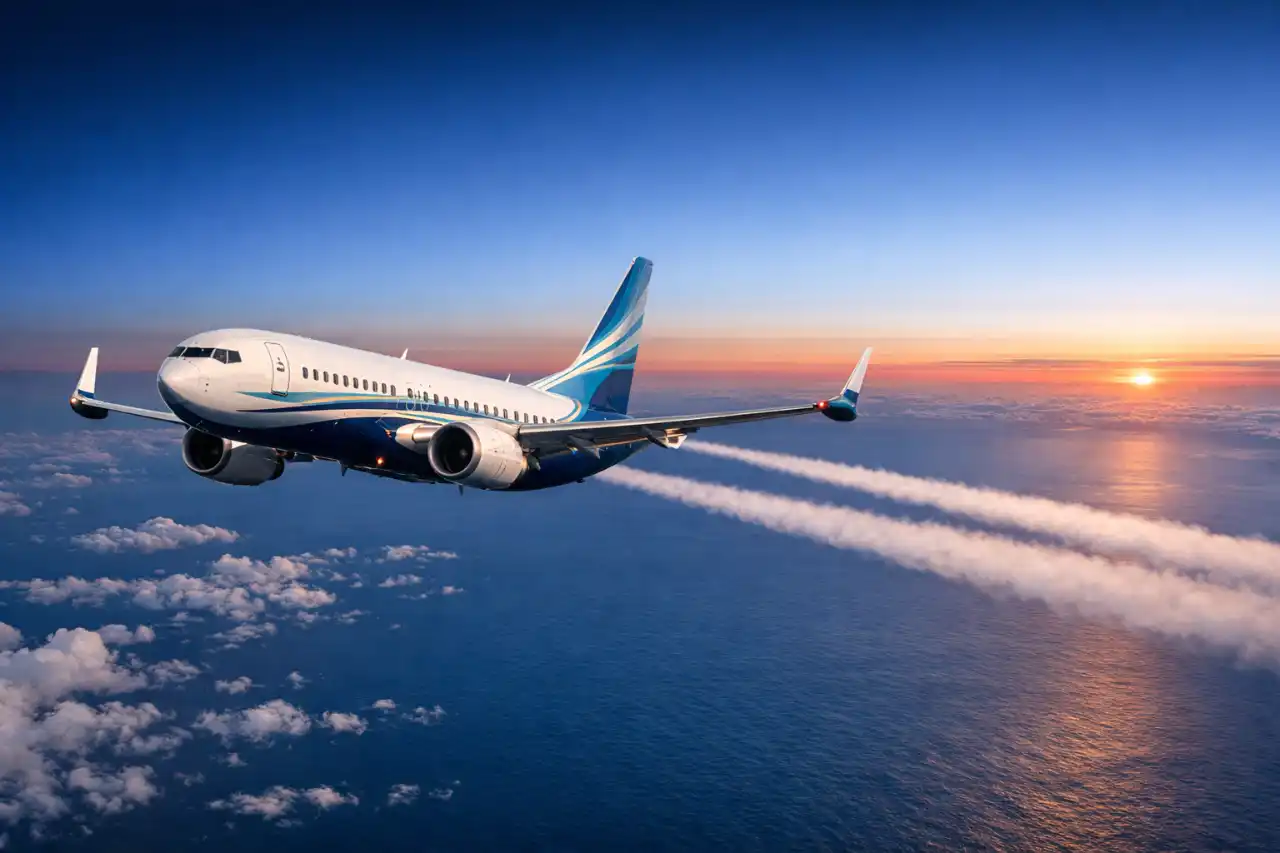
While the Boeing 737 Next Generation (NG) series may have ceded its crown as the world’s best-selling narrowbody to the Airbus A320 family, its global influence and operational versatility remain unquestionable. These single-aisle jets, predominantly seen darting between domestic airports and regional hubs, occasionally defy their standard use, embarking on transcontinental journeys that challenge expectations for narrowbody aircraft.
January 2026 presents a fascinating snapshot of how far the Boeing 737NG can stretch. Based on schedule data from Cirium, several routes exceed the 2,750-mile mark, pushing the aircraft close to its performance ceiling while offering passengers a narrowbody experience over expansive distances.
Copa Airlines Leads With Panama City to Las Vegas
At the top of this impressive list is Copa Airlines’ Panama City (PTY) to Las Vegas (LAS) route, which spans 2,917 miles (4,694.5 km). This sector not only claims the title of the longest 737NG route to or from the US in early 2026 but also exemplifies the strategic ambitions of Copa in connecting Central America with the Western United States.
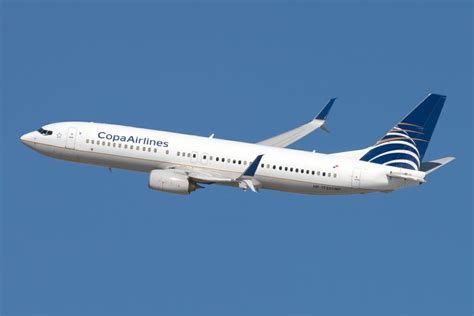
Throughout January, Copa Airlines will operate 11 round trips between these cities, with flights heavily concentrated in the month’s first half. The westbound leg to Las Vegas typically takes around seven hours, while the return trip, aided by favorable winds, completes in approximately 6.5 hours.
Copa’s commitment to this route stems from a decade-long presence in Las Vegas, offering connections to over 55 Latin American and Caribbean cities. Their Boeing 737-800, configured for extended comfort, underscores the aircraft’s capability to consistently deliver on medium- to long-haul missions with narrowbody economics.
Alaska Airlines Ventures Across the Pacific
Alaska Airlines emerges as the top US carrier leveraging the 737NG for long-haul routes, particularly across the vast Pacific to Hawaii. The most extensive of its operations is the Anchorage (ANC) to Kahului, Maui (OGG) flight, measuring 2,796 miles (4,499.7 km).
Despite its infrequent schedule—just three rotations in January—this route showcases the airline’s use of the Boeing 737-800’s full capabilities. Alaska’s fleet configuration includes either 159 or 161 seats, split between domestic first class and economy, with this Maui route scheduled for the slightly lower-capacity variant.

Alaska Airlines also maintains nonstop service between Anchorage and Honolulu (HNL). This route is slightly shorter at 2,777 miles (4,469.1 km), but introduces a twist in aircraft deployment. While the outbound legs use the standard 737-800, the return journeys are served by the larger 737-900ER, featuring 178 seats and offering increased capacity for the longer eastbound hauls.
Such dual-aircraft deployment reflects Alaska’s nuanced operational strategy, leveraging aircraft variants based on passenger demand and route dynamics while maximizing efficiency on extended services.
WestJet Connects Canada to the Sunshine State
Completing the quartet of notable long-distance 737NG routes is Canadian carrier WestJet’s service from Vancouver (YVR) to Fort Lauderdale (FLL). At 2,793 miles (4,494.9 km), this route bridges Canada’s Pacific coast with Florida’s Atlantic shoreline, offering a warm winter escape in true transcontinental fashion.
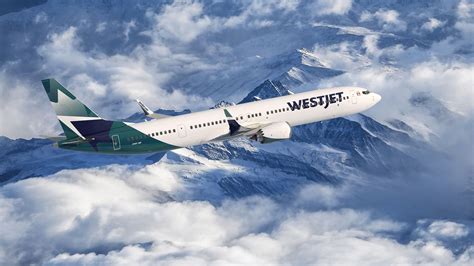
Scheduled to operate weekly in January, this service embarks from Vancouver on Saturday, January 10, with the return flight departing Fort Lauderdale on Sunday, January 11. The southbound leg runs overnight and takes just under six hours, while the return flight, facing headwinds, stretches to nearly seven hours.
WestJet’s Boeing 737-800s on this route are equipped with 12 business class and 162 economy seats, balancing long-haul comfort with operational cost-effectiveness. The airline’s selection of the 737NG for this demanding journey speaks to the aircraft’s enduring reliability, range, and cabin adaptability.
The 737NG’s Enduring Legacy in Long-Haul Narrowbody Operations
These exceptional Boeing 737NG routes illustrate how airlines continue to push the envelope of what narrowbody aircraft can achieve. While typically seen on short-haul and mid-range routes, the 737-800 and its longer sibling, the 737-900ER, are no strangers to extended operations.
What enables such range is not merely engine efficiency or fuel capacity. It’s a combination of:
- Strategic route planning that maximizes payload-range tradeoffs
- Tailored seat configurations to optimize weight and revenue potential
- Optimized scheduling, such as overnight flights, to mitigate slot constraints and maximize aircraft utilization
In addition, operators choose routes that minimize headwind exposure or allow favorable jet streams to reduce block time. For example, eastbound return legs often benefit from strong tailwinds, shortening flight durations and reducing fuel consumption.
A Glimpse Into the Future: Narrowbodies Flying Longer
As airlines await next-generation narrowbody aircraft with extended range and fuel efficiency—such as the Boeing 737 MAX and Airbus A321XLR—the legacy 737NG continues to punch above its weight. Its deployment on flights approaching or even exceeding 2,900 miles showcases its flexibility in markets where widebody aircraft would be financially unviable.
With fuel prices fluctuating and environmental pressures intensifying, operating longer routes with smaller aircraft remains a smart, sustainable solution. Carriers are thus investing in maximizing the performance envelope of their 737NG fleets while preparing for the dawn of more capable successors.
In the meantime, passengers embarking on these ultra-long narrowbody flights can expect a travel experience that, while compact, bridges continents, climates, and cultures—all within a single aisle. The 737NG may no longer be the freshest jet on the ramp, but it still flies far and wide—quite literally.