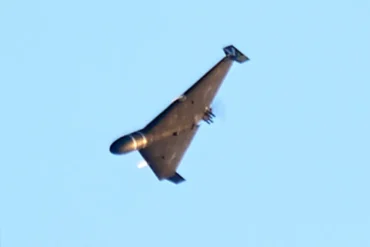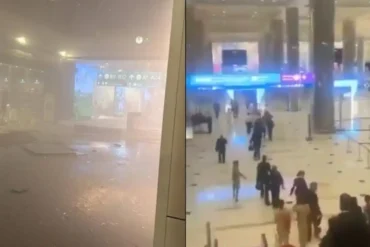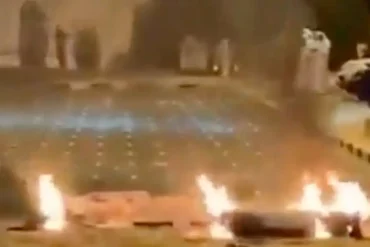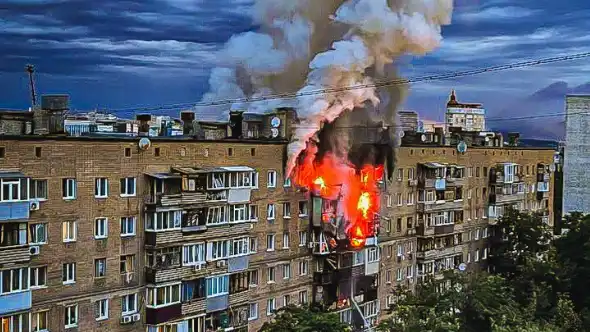
Kharkiv, Ukraine’s second-largest city, has suffered its most devastating drone and airstrike assault since the onset of the war, as Russian forces launched a concentrated attack that killed at least four civilians and wounded nearly 60 others, according to Ukrainian officials. The city, already battered by months of warfare, has been plunged deeper into chaos and destruction by a wave of 48 drones, two missiles, and four glide bombs—a scale of assault rarely seen in the ongoing conflict.
The attack came as part of a wider barrage across Ukraine, with more than 400 drones and nearly 40 missiles used nationwide late Thursday and into Friday. Officials in Kherson, in the south, also reported fatalities, with two civilians killed in a separate strike. The magnitude of this offensive has raised serious concerns about Russia’s evolving aerial warfare capabilities, and prompted renewed international calls for increased support to Kyiv.
Kharkiv Under Siege: A Night of Relentless Assault
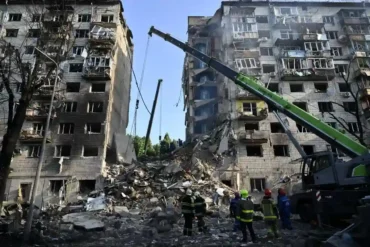
On the night of June 6, Kharkiv turned into a target zone as dozens of Iranian-style Shahed drones flew over the northeastern skyline, followed by a succession of explosive impacts that lit up the city in a terrifying spectacle. According to Mayor Ihor Terekhov, 18 apartment blocks and 13 private homes were struck, causing widespread structural devastation and leading to a desperate rush of emergency responders.
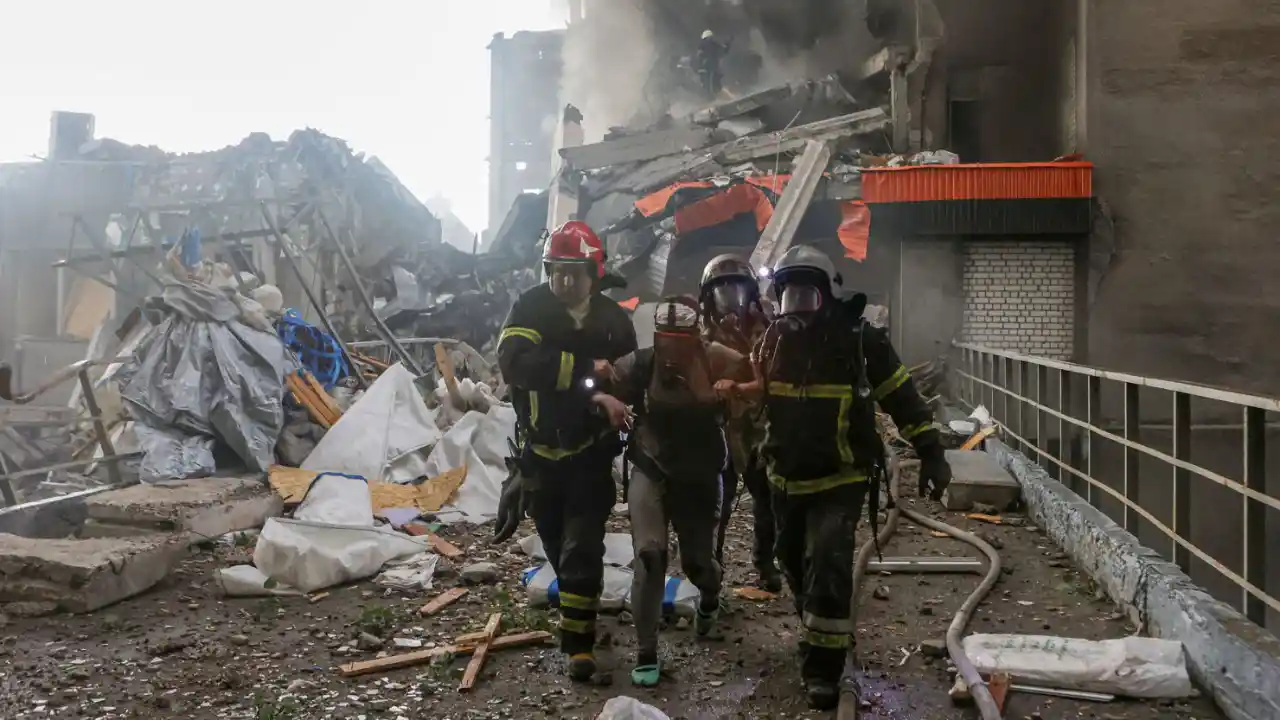
One of the most shocking aspects of the attack was the targeting of a civilian industrial site, which was hit by 40 drones, a missile, and multiple bombs. Governor Oleh Syniehubov said that search and rescue operations were ongoing amid fears that more victims remained buried beneath rubble. Among the wounded were a 14-year-old girl and a baby, both now receiving intensive medical care.
In an equally brutal follow-up, Russia launched additional glide bombs on Saturday, killing another civilian and injuring at least 18 more. The use of glide bombs—once rare in this conflict—appears to be a new tactic in Russia’s arsenal, offering precision strikes with devastating outcomes.
Russia’s Retaliation Narrative and the ‘Terrorist Response’ Justification
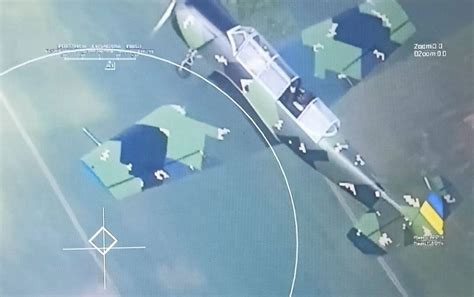
Moscow has framed the attacks as retaliation for what it calls “terrorist acts” by the Kyiv regime. Last weekend, Ukrainian operatives struck multiple Russian railway hubs and strategic air bases deep inside Russian territory, including one assault—Operation Spider’s Web—that reportedly damaged or destroyed 40 Russian aircraft.
Russian authorities, reacting to these incursions, described their latest assault as a calculated response. Kremlin sources cited “unacceptable provocations” as justification for the scale and ferocity of the strikes. However, Ukrainian President Volodymyr Zelensky has pushed back forcefully, describing the attacks on Kharkiv as “pure terrorism with no military value.”
Zelensky accused President Vladimir Putin of intentionally targeting civilians in a bid to destabilize Ukraine internally and “buy himself more time to wage war.” He called on Ukraine’s allies to respond with urgency and resolve, particularly in delivering enhanced air defenses and more long-range precision weapons.
Scenes of Trauma: Civilians Caught in the Crossfire
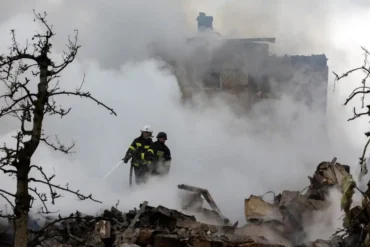
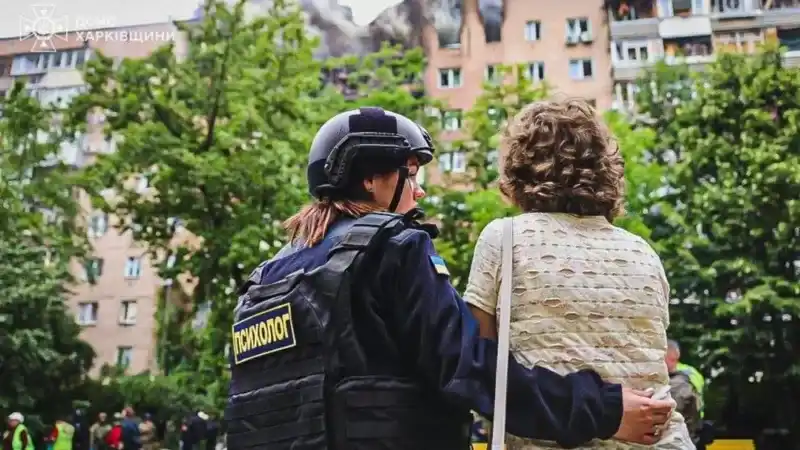
The emotional toll on Kharkiv residents is stark. Eyewitness reports from the aftermath detail entire families scrambling from rubble, others mourning the loss of loved ones. Psychological support units, such as those deployed by Ukraine’s State Emergency Service, were on site within hours to help survivors process the trauma.
Volunteers and paramedics worked through the night and into Saturday, administering emergency medical aid and evacuating injured civilians from collapsed structures. One rescue worker described the scene as “a horror field,” littered with splinters of concrete, twisted metal, and body parts. Hospitals quickly reached full capacity, forcing authorities to reroute less critical patients to facilities in nearby oblasts.
International Response and the Call for Reinforcement
In response to the onslaught, Ukraine’s Foreign Ministry issued an urgent appeal to NATO and Western allies, imploring them to increase both military and humanitarian aid. Deputy Foreign Minister Andriy Sybiha stated that “stronger pressure must be applied to Moscow,” warning that continued passivity could embolden future attacks of even greater magnitude.
Ukrainian military experts have argued that the latest escalation illustrates a significant shift in Russia’s strategic posture, particularly its growing reliance on drone swarms and precision-guided munitions. This evolution has outpaced Ukraine’s current defense capabilities, which remain stretched thin across multiple fronts.
U.S. officials, including former President Donald Trump, weighed in on the developments. Trump controversially stated that Ukraine had “given Putin a reason” to retaliate so harshly, referencing the drone attacks on Russian air bases. His remarks have sparked political backlash, with critics accusing him of legitimizing Moscow’s aggression.
Prisoner Swap Tensions: Diplomatic Efforts Derail
Amid the military escalation, diplomatic progress remains stalled. Earlier in the week, both sides agreed during Istanbul talks to conduct a prisoner exchange involving sick, wounded, and young prisoners, along with the repatriation of 12,000 fallen soldiers’ remains. Yet, what began as a hopeful step quickly unraveled.
Russia’s chief negotiator, Vladimir Medinsky, claimed that Ukraine had abandoned the agreed swap at the last minute, leaving over 1,000 bodies waiting at a designated site. He also stated that a list of 640 Ukrainian prisoners of war had been handed over, only for Ukrainian counterparts to not show up.
Ukraine strongly refuted these accusations. Officials from the Coordination Headquarters for POW Affairs said Russia’s claims were “false and manipulative,” pointing instead to Moscow’s alleged submission of alternative, unvetted lists that violated the mutually agreed framework. They accused the Kremlin of engaging in “dirty games” to undermine diplomatic trust.
This breakdown highlights the fragile state of negotiations and underscores how diplomacy remains shackled by mutual distrust and bad faith maneuvers. The persistent lack of a ceasefire agreement continues to prolong civilian suffering and military attrition.
Strategic Implications: Kharkiv as a Test Case
The repeated targeting of Kharkiv signals a deliberate effort by Russia to wear down Ukraine’s northeastern defenses. The city, a hub for both military logistics and industrial output, serves as a strategic prize in the war. Its proximity to the Russian border makes it particularly vulnerable to drone incursions launched from short range.
Military analysts suggest that the choice to deploy glide bombs and mass drone waves in a layered, coordinated fashion marks a new phase in Russian air strategy. By combining psychological warfare with infrastructure sabotage, the Kremlin aims to fracture Ukraine’s ability to organize countermeasures and sow panic among the population.
Yet, despite the overwhelming force, Ukrainian resilience remains steadfast. Defense units successfully downed a number of drones during the attack, and civil defense systems operated at full throttle, mitigating what could have been even worse devastation.
The Road Ahead: Fortifying Defense and Seeking Justice
As Ukraine reels from this latest assault, the government’s immediate focus lies in fortifying its air defense systems, particularly around Kharkiv and other high-risk urban centers. Kyiv has reiterated its appeal for more Patriot batteries, counter-drone technologies, and satellite-based early warning systems.
There is also growing momentum for the establishment of an international tribunal to prosecute war crimes, including the deliberate targeting of civilians. Human rights organizations have begun documenting this latest assault for inclusion in a broader legal case.
While Kharkiv mourns its dead and begins yet another round of reconstruction, the strike serves as a grim reminder of the war’s unrelenting brutality. It reinforces Ukraine’s insistence that the only path to lasting peace must involve justice, sovereignty, and unyielding resistance to aggression.
The latest barrage may mark a turning point—both in how this war is fought and how it is understood around the world. What is clear, however, is that Ukraine remains in dire need of support, not only to defend itself but to shape a future free of Russian terror from the skies.