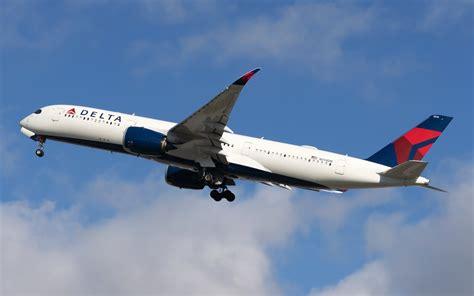
Delta Air Lines is under scrutiny after a passenger alleged he was gaslit and shortchanged following a high-stakes voluntary bumping offer. Daniel Christiansen, the passenger at the heart of the controversy, says the airline initially offered $15,000 to vacate his seat, only to slash the compensation to a mere $1,500 once he was off the plane.
The $15,000 Offer That Disappeared
Christiansen was scheduled to fly from Salt Lake City International Airport (SLC) to Palm Springs (PSP) with his wife and their newborn daughter. As the plane sat at the gate, Delta reportedly made a surprising onboard announcement: $15,000 for anyone willing to give up their seat. Tempted by the unusually high sum—far above the industry norm—Christiansen signaled his interest.
According to his account, not only was the figure announced over the PA system, but it was also confirmed twice during his conversation with the flight crew. Feeling assured, he stepped off the plane, separating from his family. But by the time he reached the gate, the story had changed drastically.
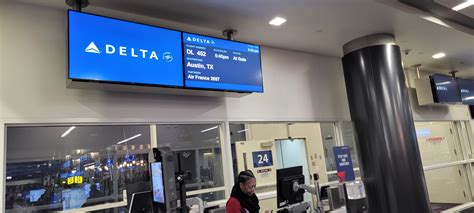
From $15,000 to $1,500: A Shocking Reversal
At the gate, Christiansen was told the offer wasn’t $15,000 at all—it was $1,500, a fraction of what had been promised. When he challenged this reversal, Delta gate agents reportedly accused him of fabricating the amount. His protests were met with skepticism, even though multiple witnesses, including flight attendants and the pilot, later supported his version of events.
“They treated me like I’d invented the number out of thin air,” Christiansen said. “But the flight attendant, the captain, and even Delta’s own emails later admitted the $15,000 offer was real. I felt humiliated. I’d just abandoned my wife and baby based on Delta’s word. Now they were gaslighting me.”
His wife, still onboard, recalled overhearing a crew member double-check the $15,000 amount with a gate agent, further validating his claim.
Delta’s Official Response: Miscommunication or Mistake?
Delta Airlines later admitted the $15,000 figure was indeed announced, but described it as a “miscommunication.” In follow-up emails, the airline acknowledged the onboard announcement but emphasized it had been an error.
They issued a case resolution email offering Christiansen $1,500 in travel credit plus 20,000 SkyMiles—worth about $200 in additional value. The message concluded with a firm statement: “Continued requests will not yield a different outcome.”
This stance falls in line with U.S. Department of Transportation (DOT) regulations, which mandate compensation between $1,550 and $3,800 for involuntary bumping. However, airlines can exceed this amount voluntarily using incentives such as flight vouchers or travel credits. Still, the $15,000 sum far surpasses typical industry practice.
Verbal Contracts and Legal Gray Areas
At the heart of this dispute lies a legal gray area: Did Delta’s verbal offer constitute a binding verbal contract? Christiansen argues yes, citing his acceptance and action based on the offer. Contract laws vary by state, and since the incident occurred in Utah, Christiansen could potentially seek recourse through the Utah Division of Consumer Protection.
But Delta’s stance—that the amount was unintentional—may complicate this path. If a court deems the offer a clerical or procedural error, the contract could be considered void. The law doesn’t always side with verbal agreements, particularly when intent and clarity are in question.
A Pattern of High-Value Offers
Delta is no stranger to eye-catching compensation for bumped passengers. In 2017, the airline famously raised its upper limit on voluntary bump offers to nearly $10,000. During a Christmas Day flight in 2022, it allegedly paid $24,000 to a family of three who agreed to give up their seats.
These extraordinary gestures are often strategic—designed to prevent PR crises or logistical nightmares. However, in this case, the fallout may be creating exactly the kind of bad press Delta hoped to avoid. The difference here is not the amount offered, but rather the failure to honor it once accepted.
Public Reaction and Brand Damage
The story, first reported by Elliott Report and later amplified by Simple Flying, has ignited online backlash. Many passengers see it as a breach of trust and a worrying example of corporate gaslighting. The term itself—gaslighting—adds emotional and psychological weight to the accusation, suggesting not just a mistake but a deliberate effort to undermine and discredit a customer’s reality.
Such narratives carry significant reputational risk. In an era when viral stories can reshape brand identity overnight, Delta faces mounting pressure to address the issue transparently and potentially reconsider its final offer.
What’s Next for Christiansen?
Christiansen has not accepted the revised compensation and continues to seek the original promised amount. Whether through legal means, regulatory intervention, or public pressure, his fight is far from over. But pursuing litigation could be costlier than the disputed sum, especially if courts determine the offer was made in error.
Despite the emotional toll, Christiansen’s story is becoming part of a larger conversation about passenger rights, airline accountability, and the ethics of compensation policies.
The Bigger Picture: Passenger Rights and Airline Ethics
This case highlights several crucial issues for air travelers:
- The ambiguity of verbal agreements in travel settings
- Airline obligations vs. public expectations
- Transparency in customer communications
- Legal protections under DOT guidelines and state law
Passengers are encouraged to document all offers and communications, especially in volatile scenarios like overbooked flights. Recording announcements, photographing display screens, and securing written confirmation can be invaluable if disputes arise.
Final Thoughts: A Crisis in Credibility
Delta Air Lines has long been seen as a leader in customer service innovation, but the Christiansen incident may challenge that reputation. While the airline has taken steps to address overbooking with generous compensation in the past, this episode reveals a potential crack in its customer promise.
If an airline can announce a five-figure offer and later deny its validity—even with witness support—what assurances do travelers really have? The outcome of this case could set a precedent for how airlines handle high-value bump offers and how passengers respond when corporate promises vanish into thin air.