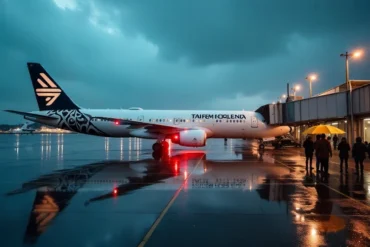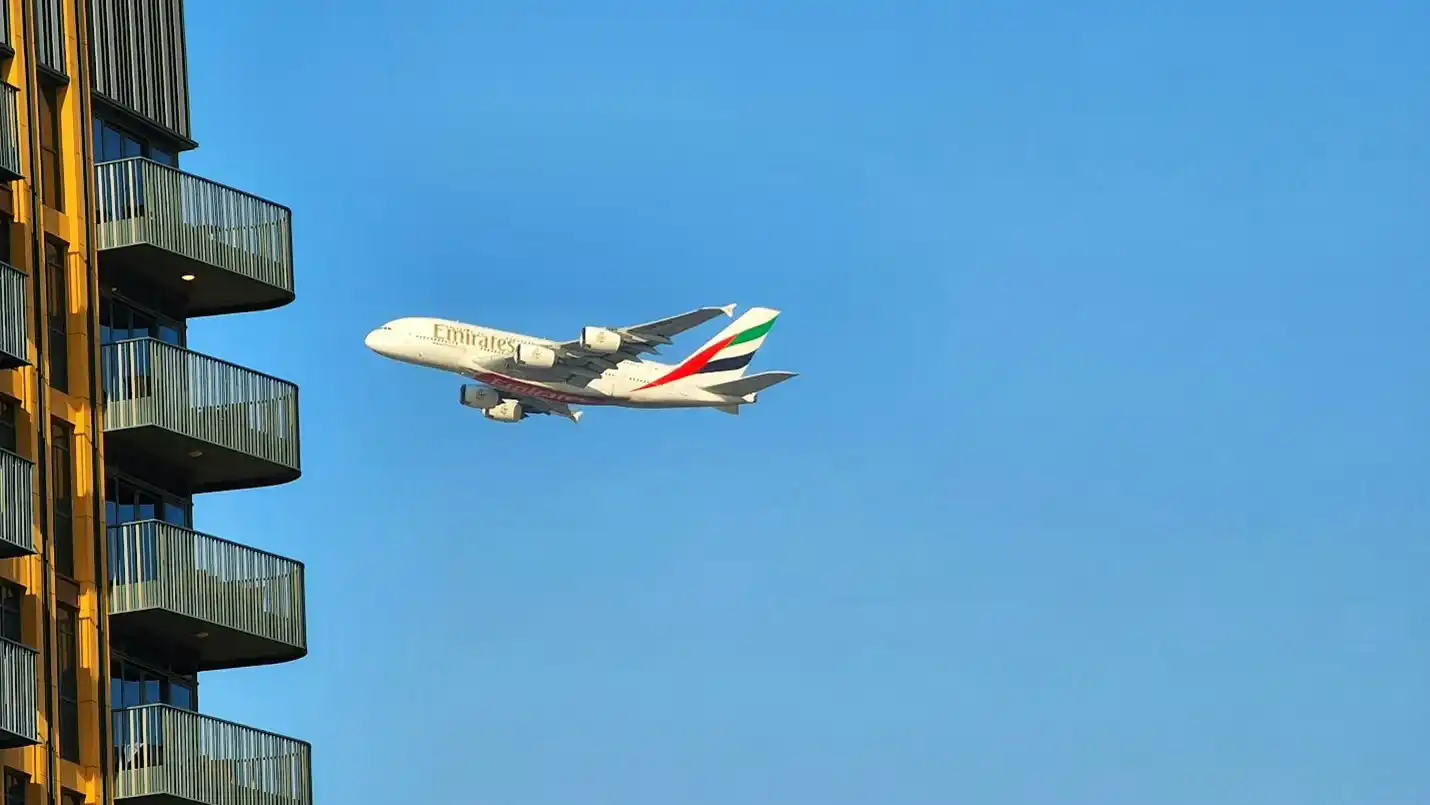
Emirates passengers facing unexpected disruptions often discover that compensation rules differ depending on the route, the nature of the delay, and the regulatory framework governing the flight. When a journey is interrupted by a long delay, cancellation or denied boarding, passengers traveling to or from the European Union are protected under EC Regulation 261/2004. This legal framework establishes the core rights for financial reimbursement, care and assistance, and route options. It remains one of the strongest aviation consumer protection systems in the world, providing a structured approach to determine when compensation is owed and in what amount. Passengers on Emirates flights departing from EU airports benefit from these regulations regardless of nationality, ticket class or fare category, ensuring a unified standard of treatment.
Unexpected disruptions can create immense stress, particularly when travel involves connecting flights, business engagements or non-refundable bookings. This is where understanding eligibility becomes crucial. When a delay exceeds three hours at the final destination, affected passengers may be entitled to a fixed compensation amount. The same applies when cancellations occur without sufficient notice or when boarding is denied because of overbooking. Although long-haul flights often complicate the claims process, the regulation’s structured system provides clarity. The key lies in determining whether the disruption was within the airline’s control or caused by extraordinary circumstances such as severe weather or airspace restrictions.
Eligibility Under EU Law for Delays, Cancellations and Denied Boarding
A vital principle under EC Regulation 261/2004 is that arrival time—not departure—is what determines whether a delay qualifies for compensation. When an Emirates flight reaches the destination more than three hours later than scheduled, financial compensation may apply, provided the flight either departed from the EU or arrived in the EU on an EU-based carrier. Because Emirates is a non-EU airline, the regulation covers only flights departing from EU airports, regardless of where they land. Passengers stranded due to long delays may also receive ticket refunds if the delay exceeds five hours, allowing them to reclaim the full cost of the unused portion of their ticket. When boarding is denied due to overbooking, passengers can expect guaranteed compensation for the inconvenience.
Even when Emirates reschedules flights, passengers remain protected if the notice period is shorter than 14 days. If the replacement itinerary causes excessive departure or arrival time changes, compensation may still be granted. The logic is simple: airlines must provide adequate notice so travelers can adjust their plans without financial or logistical consequences. When that obligation is not met, monetary compensation serves as the corrective measure. However, delays generated by circumstances outside the airline’s control fall under the extraordinary-circumstances exemption, which prevents compensation even if the delay is long. Still, Emirates must offer care and support until passengers are rebooked.
What Happens When an Emirates Flight Is Cancelled
A cancellation triggers two primary rights: rerouting or a full refund. Emirates passengers may choose the earliest available alternative flight, even if it departs the next day, or request reimbursement for the unused ticket segments. When the disruption requires an overnight stay, Emirates provides accommodation, meals and transportation between the hotel and airport. These assistance obligations apply regardless of the cause. Compensation, however, is only owed when the cancellation occurs within 14 days of departure and the airline cannot offer suitable alternative timings.
The compensation amount depends on the travel distance, following a tiered structure. Flights shorter than 1,500 km receive the lowest compensation, while long-haul flights exceeding 3,500 km qualify for the highest amount. Because Emirates operates many intercontinental routes, long-distance compensation often reaches the maximum level when applicable. Yet eligibility always hinges on whether the cause of the disruption falls within the airline’s control.
Extraordinary Circumstances and How They Affect Your Claim
Not every delay or cancellation leads to compensation. Extraordinary circumstances include severe storms, political instability, air traffic control restrictions, airport closures and unexpected runway hazards. These events remove the compensation obligation but do not absolve Emirates of its duty to provide assistance. Passengers should still receive meals, accommodation, and reasonable communication access. The distinction between compensation and assistance is fundamental: extraordinary circumstances block financial compensation but never eliminate the basic right to care.
Because airlines sometimes attribute disruptions to extraordinary circumstances without sufficient proof, passengers are encouraged to document the situation carefully. Flight status screenshots, notifications sent by the airline and statements from airport staff can later strengthen a claim. This becomes especially important when disputing the airline’s interpretation of events.
Navigating the Emirates Compensation Claim Process
Submitting a claim for Emirates compensation requires providing key details about the disrupted flight. Claims begin through the Emirates feedback portal, where passengers enter their itinerary, booking reference, personal details and an explanation of the disruption. Emirates does not provide guaranteed response times, so claims may take several weeks. Passengers unwilling to manage the process themselves often choose third-party claim services that pursue compensation on their behalf, especially when disputes arise.
A complete claim typically includes the booking confirmation, boarding passes, delay or cancellation notifications and receipts for any additional expenses. Emirates evaluates whether the disruption qualifies for compensation under EC Regulation 261/2004. If compensation is owed, the airline issues payment according to the regulation’s fixed structure. When passengers submit reimbursement requests for meals, transport or overnight stays, supporting documents are essential.
Compensation Amounts for Delayed or Cancelled Emirates Flights
Compensation follows a straightforward structure designed to keep the process objective. Flights under 1,500 km qualify for €250, while flights over 1,500 km within the EU or between 1,500 and 3,500 km outside the EU qualify for €400. All other flights, particularly long-haul journeys typical for Emirates, reach €600. Compensation may be reduced by 50% when the replacement flight arrives within a certain threshold, ranging from two to four hours depending on distance. This system ensures proportional compensation while recognizing attempts by airlines to mitigate delays.
Because most Emirates flights exceed 3,500 km, the €600 tier frequently applies when compensation is owed. Passengers should always calculate both the scheduled and actual arrival times to confirm whether the three-hour minimum delay requirement is met. When in doubt, official flight-tracking records can verify timings.
Key Rights After a Disruption
Passengers facing significant delays or overnight cancellations can request meal vouchers, hotel accommodation and transportation. Emirates typically provides these services directly, though reimbursement is possible when passengers must purchase necessities themselves. Receipts remain essential for smooth processing. Even if financial compensation does not apply, assistance remains mandatory.
Understanding the distinction between compensation, care and reimbursement helps travelers protect their rights during unexpected disruptions. With proper documentation and knowledge of the regulatory framework, passengers can confidently pursue what they are owed while navigating international travel challenges.