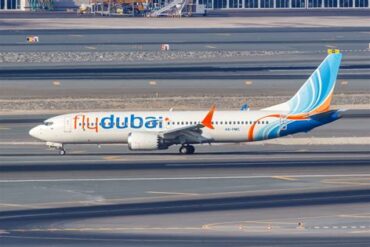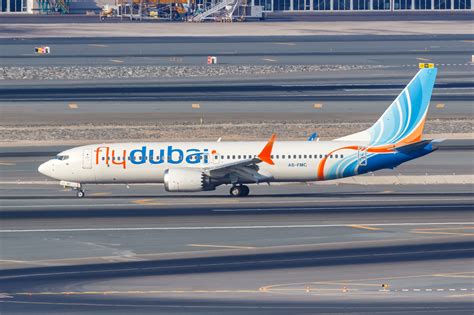
As one of the UAE’s fastest-growing budget airlines, FlyDubai has increasingly become a common name in both regional and long-haul low-cost travel. Operating across more than 120 destinations, the airline appeals to budget-conscious travelers seeking direct connectivity from Dubai. But with affordability often comes questions about safety, especially for carriers outside the legacy-airline circuit. So, is FlyDubai safe to travel with in 2025? A deep look into independent audits, regulatory standards, incident history, and operational transparency reveals a compelling picture.
Top-Tier Safety Ratings from Global Aviation Auditors
FlyDubai consistently earns high safety scores from globally recognized aviation rating bodies. According to AirlineRatings.com, a site that evaluates over 400 airlines on safety and service quality, FlyDubai holds a perfect 7/7 rating. This evaluation is based on criteria such as the airline’s accident history, government audits, operational excellence, and adherence to global aviation standards.
In 2025, FlyDubai secured its spot in the Top 25 Safest Low-Cost Airlines, ranking around 11th globally, sharing space with prominent carriers like Ryanair, Jetstar, and easyJet. This recognition places FlyDubai not just within safe parameters but within the elite tier of international budget airlines.
These evaluations carry weight. AirlineRatings is widely respected within the aviation sector for its rigorous methodology, and inclusion in their top-tier list is a strong public affirmation of a carrier’s operational safety.
IOSA Certification and Regulatory Oversight
A major cornerstone of FlyDubai’s safety credibility is its status as an IATA Operational Safety Audit (IOSA) certified airline. IOSA is a globally recognized audit program that examines an airline’s operational management and control systems. It’s typically associated with full-service international airlines, so its adoption by FlyDubai reinforces its commitment to aviation safety best practices.
The airline is also a signatory to the IATA Safety Leadership Charter, a move that signals a strategic focus on fostering a robust safety culture across departments. This charter prioritizes early hazard identification, open reporting systems, and non-punitive policies—practices aligned with top-tier aviation safety philosophy.
Furthermore, FlyDubai is not listed on the European Union Air Safety List, a regularly updated blacklist of carriers banned from EU airspace due to safety concerns. This absence is crucial; EU regulators are known for their strict oversight, and clearance to fly into Europe is a strong endorsement of operational compliance.
A Closer Look at FlyDubai’s Incident Record
Like any airline with over a decade of operations, FlyDubai has experienced operational incidents—but its record is comparatively clean. The one event that still raises eyebrows is Flight FZ981, a Boeing 737-800 that crashed in Rostov-on-Don, Russia in 2016. All 62 passengers and crew perished after the aircraft crashed during a second go-around in adverse weather conditions. The investigation, led by Russian authorities and international partners, cited pilot disorientation as the primary cause. The tragedy was a pivotal moment in the airline’s history.
Importantly, the response was significant. FlyDubai implemented enhanced training protocols, with a sharper focus on go-around management, cockpit crew fatigue, and adverse weather operations. Since then, there have been no fatal accidents or major safety breaches associated with FlyDubai operations.
Incident monitoring databases such as AeroInside reflect a low frequency of serious safety occurrences relative to FlyDubai’s fleet size and total flight hours. Most logged reports are minor technical issues, resolved according to standard procedures without endangering passenger safety.
Modern, Efficient, and Young Fleet
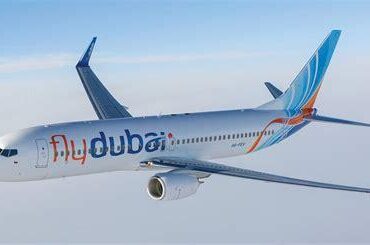
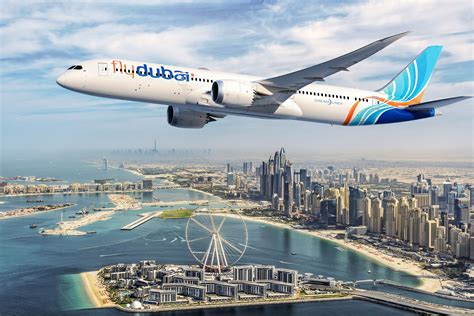
Safety often correlates with the age and technology level of a fleet. FlyDubai operates a modern fleet of primarily Boeing 737-800 and 737 MAX 8/9 aircraft, with ongoing orders for more than 150 Boeing aircraft, including the 737 MAX 10 and select widebody Boeing 787-9 Dreamliners to support future long-haul operations.
The average fleet age is approximately 5 to 6 years, significantly younger than many legacy airlines. A newer fleet brings numerous advantages: state-of-the-art avionics, fuel efficiency, and reduced mechanical failure risks.
The airline’s MAX aircraft are fitted with SkyInterior cabins, improved navigation systems, and the latest in flight data monitoring. FlyDubai’s maintenance is handled in accordance with UAE’s General Civil Aviation Authority (GCAA) regulations, a body aligned with ICAO (International Civil Aviation Organization) standards.
Operational Backing from Emirates and the UAE Government
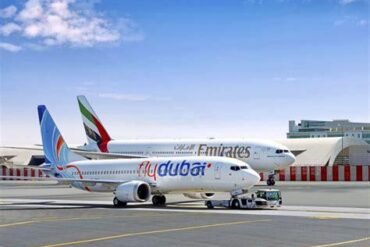
FlyDubai benefits from the backing of the Government of Dubai, the same authority behind Emirates. While FlyDubai operates independently, its close relationship with Emirates has strategic implications, particularly around training resources, operational synergies, and airport infrastructure. Both airlines share Dubai’s aviation ecosystem, which is regulated by one of the most advanced civil aviation authorities in the Middle East.
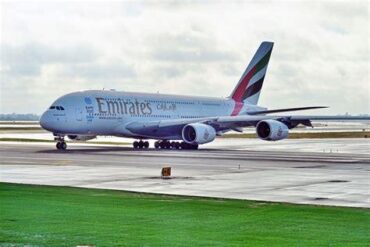
This connection brings credibility. Emirates is a gold standard carrier, and FlyDubai’s cooperation allows it to tap into elite pilot training centers, safety research frameworks, and coordinated emergency response planning. For passengers, this means a carrier that may be low-cost—but not low-quality.
Real-World Passenger Experiences and Terminal Considerations
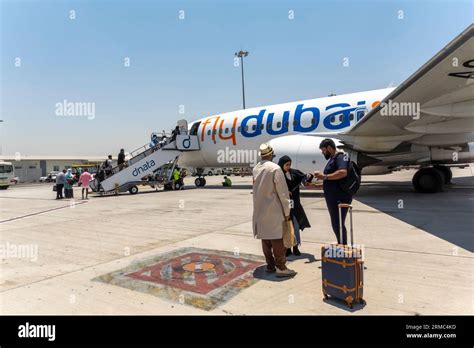
Despite strong safety credentials, operational convenience still matters. FlyDubai primarily operates out of Terminal 2 at Dubai International Airport, which is separate from Emirates’ Terminal 3. Terminal 2 is functional but lacks the amenities and connectivity of the newer terminals. Passengers with tight connections to other international airlines might find this inconvenient.
However, reviews from frequent travelers and aviation forums consistently confirm that safety and aircraft conditions are never a concern. While there may be occasional delays—common across all low-cost airlines—there is no trend of systemic failures or reliability breakdowns.
One recurring recommendation is to allow extra time between connections, especially when transferring between terminals. Taxi rides between Terminal 2 and Terminal 1 (or 3) typically take 15–20 minutes, depending on traffic. Budget-conscious travelers are advised to book flights with ample buffer time to avoid unnecessary stress.
FlyDubai Safety vs. Risky Routes: Context Matters
A final nuance in evaluating FlyDubai’s safety is its route network. The airline operates to destinations across the Middle East, Africa, South Asia, and Eastern Europe, including some locations affected by geopolitical instability. It’s essential to distinguish between airline safety and route-related risks.
A flight to a high-conflict area or airports with known hazards (such as bird strikes at Mattala Airport in Sri Lanka) may introduce additional risk—not because of FlyDubai, but because of external factors. In such cases, aviation advisories from IATA and ICAO become more relevant than the airline’s own operations.
Passengers are encouraged to check NOTAMs (Notices to Airmen) and government travel advisories when flying to destinations in active conflict zones or airspaces with restricted overflight permissions. FlyDubai, like all responsible carriers, follows route adjustments as mandated by aviation authorities.
Final Verdict: FlyDubai Is a Safe, Regulated, Modern Airline
After analyzing its regulatory credentials, safety history, and fleet modernization, FlyDubai can be confidently described as a safe airline in 2025. It meets or exceeds international standards, holds coveted safety accreditations, and has responded seriously to past incidents.
While operational challenges like terminal logistics or occasional schedule changes may exist—as with any budget airline—the core safety framework of FlyDubai is strong and reliable. It remains a top-tier choice among low-cost carriers, especially for those seeking well-priced direct routes from Dubai without compromising on safety.
Whether flying to Beirut, Belgrade, or Bangkok, passengers can board a FlyDubai aircraft knowing it is professionally maintained, internationally audited, and backed by one of the most safety-focused aviation environments in the world.