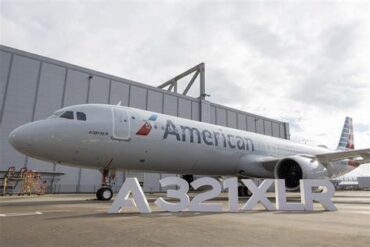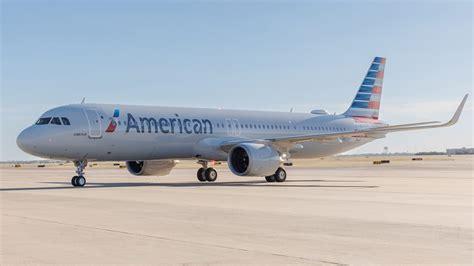
On December 18, 2025, a sleek new chapter took off from New York-JFK as American Airlines’ Airbus A321XLR embarked on its inaugural transcontinental journey to Los Angeles. This was not just another coast-to-coast flight; it was the dawn of a transformative era in long-haul aviation, led by a U.S. carrier that is poised to make history in 2026.
A Historic Leap with the Airbus A321XLR
American Airlines has become the first U.S. airline to receive the Airbus A321XLR, a narrowbody aircraft with a long-haul heart. This jet delivers a unique fusion of efficiency, reach, and comfort, offering widebody range with single-aisle economics. For an airline that had to retrench its long-haul footprint during the pandemic, this is not just a fleet update—it’s a strategic revival.
The A321XLR addresses critical network gaps left by the retirement of legacy long-haul aircraft, offering:
- Lower trip costs and enhanced seat economics
- Capability to access secondary transatlantic and South American markets
- A platform for premium-heavy configurations that maximize yield
This allows American Airlines to deploy the XLR to underserved long-haul destinations, establishing a first-mover advantage while its closest competitor, United Airlines, lags behind with delayed deliveries and a more conservative deployment strategy focused on replacing the Boeing 757.
Redefining Transcontinental Travel
Before conquering the Atlantic, the A321XLR is cutting its teeth on premium transcontinental routes. The aircraft is replacing the aging A321T (Transcontinental) fleet, renowned for luxury but reaching the end of its operational lifecycle.
Initial deployments include:
- New York (JFK) to Los Angeles (LAX)
- New York (JFK) to San Francisco (SFO)
- Boston (BOS) to Los Angeles (LAX)
These coast-to-coast routes serve as a testbed for training, maintenance, and real-time optimization of service standards, giving passengers a preview of what the future of international narrowbody travel looks like.
A Transatlantic Trailblazer: Europe in Reach
In March 2026, the A321XLR will extend its wings to Edinburgh (EDI) from New York (JFK). This will be American’s first transatlantic route using the XLR, complementing its existing Philadelphia (PHL) to Edinburgh service.
The strategic logic is clear: secondary European markets, previously unviable with widebodies, become lucrative thanks to the right-sizing capability of the A321XLR. Potential future routes may include:
- Smaller cities in France, Germany, Italy, Spain, and the UK
- Underserved European leisure and business destinations
As Brian Znotins, American’s SVP of Network Planning, explains, “Having an airplane that’s properly sized for the demand of smaller markets” opens up a wide array of opportunities.
Looking South: Tapping into Latin America with Precision
American Airlines has long been a dominant player in South America, especially in Brazil. Now, with the A321XLR, new doors open to secondary Brazilian cities that were previously out of reach or unprofitable for widebody service.
Possible deployments from Miami (MIA)—the airline’s Latin America hub—and Dallas/Fort Worth (DFW) are under evaluation. However, Miami remains the more viable base, offering strong O&D demand (origin and destination) and market connectivity.
The XLR’s range enables direct service to:
- Fortaleza (FOR)
- Recife (REC)
- Belém (BEL)
These routes would consolidate American’s lead in Latin America while keeping unit costs down and customer satisfaction high.
Rigorous Pilot Training for Transatlantic Mastery
Flying narrowbodies over the Atlantic is a new frontier for many U.S. airlines. To prepare, American launched a rigorous training campaign involving 42 round-trip flights between Philadelphia and Edinburgh during September 2025.
These flights, though flown on domestic A321neos, were structured to mirror the challenges of North Atlantic crossings. Pilots and instructors were trained on:
- Oceanic airspace procedures and non-radar navigation
- Use of satellite communication systems
- Diversion protocols and meteorological contingencies
Captain Josh Hall, A320 fleet captain, praised the initiative, calling it “a huge success,” and emphasized how it set a strong foundation for transitioning the wider pilot base.
The Flagship Suite: Premium Experience at Narrowbody Scale
Airbus didn’t just engineer the A321XLR for range—it enhanced it for passenger experience. American Airlines has gone a step further by equipping its XLRs with its latest premium product: the Flagship Suite®.
The cabin features:
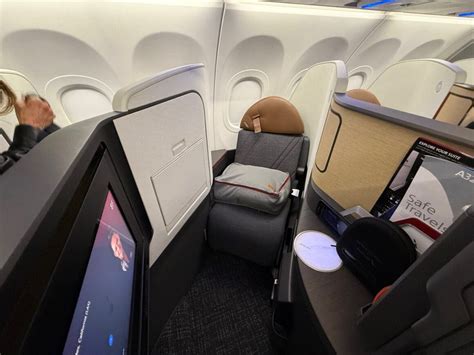
- 20 lie-flat Flagship Suite® seats with privacy doors and wireless charging
- 12 Premium Economy seats with 38” pitch, adjustable leg rests, and wider cushions
- Main Cabin Extra and Standard Economy, optimized for comfort with larger seat width ranges and personal IFE screens
In total, the aircraft houses 155 seats—a configuration that is intentionally premium-heavy to target high-yield business travelers and discerning leisure passengers alike.
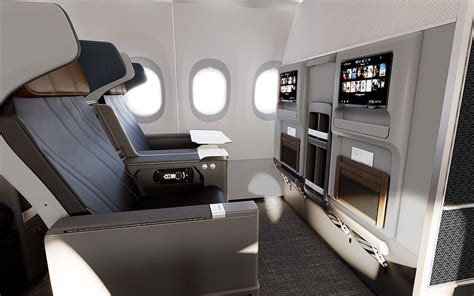
In addition to luxury, the aircraft features:
- Bluetooth-enabled in-flight entertainment (IFE) systems
- High-speed WiFi connectivity
- Power outlets and USB-C ports at every seat
- The latest Airspace cabin design from Airbus with quieter interiors and larger bins
This redefines the standards for what a narrowbody can offer, positioning American to lead in customer experience.
Fleet Strategy: A321XLR Anchored in the World’s Largest Narrowbody Portfolio
The integration of the A321XLR enhances American’s position as the world’s largest narrowbody operator. The airline currently operates:
- 486 Airbus A320 family aircraft
- 391 Boeing 737s
This includes 132 A319s, 48 A320s, 218 A321s, and 86 A321neos. With 47 more A321XLRs on order, American is crafting a fleet that supports:
- Network flexibility
- Cost-efficient long-haul growth
- Fleet commonality for pilots and crew
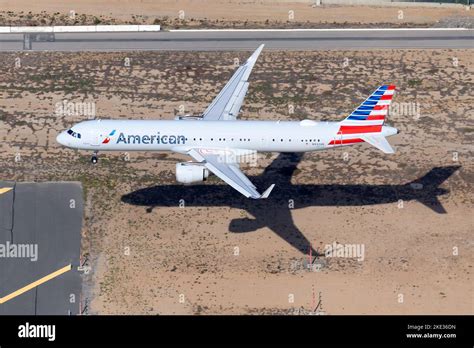
By leveraging the commonality between the A321neo and A321XLR, American minimizes training costs and maintenance complexity, streamlining operations across both domestic and international networks.
Why 2026 Will Be a Watershed Year
American Airlines is not simply adding a new aircraft—it’s rewriting its entire long-haul playbook. With the A321XLR at the center, 2026 will be remembered for:
- Reinvigorating transatlantic expansion into secondary cities, previously unreachable or unprofitable
- Leading the U.S. airline industry with first-mover status and optimized premium seating
- Deploying a high-tech, customer-centric cabin that blurs the lines between narrowbody and widebody experience
- Transforming its South American network with targeted, efficient, and strategic route planning
As the competitive landscape shifts, American is prepared not only to defend its turf—but to reclaim, expand, and dominate in emerging markets.
Conclusion: The Future of Long-Haul Travel Has a Narrowbody Name
With the Airbus A321XLR, American Airlines is not reacting to market trends—it is setting them. From training pilots for the nuances of Atlantic navigation to crafting a cabin that rivals widebodies in passenger comfort, every element of this rollout has been precise and visionary.
By 2026, American Airlines will have solidified its role as a pioneer in single-aisle long-haul travel, charting new routes and customer experiences that will redefine industry expectations for years to come. The airline isn’t just flying new planes—it’s flying into a new era of aviation history.