For decades, the aviation industry treated long-haul flying as the exclusive territory of widebody aircraft. Twin-aisle giants such as the Boeing 747, Boeing 777, Airbus A330, and Airbus A350 dominated routes that stretched across oceans and continents. Their size, cargo capability, and passenger capacity made them the natural choice for airlines connecting major global hubs. Yet a profound shift is underway. Increasingly, passengers boarding flights between North America and Europe, or between secondary cities separated by thousands of miles, are finding themselves on single-aisle aircraft.
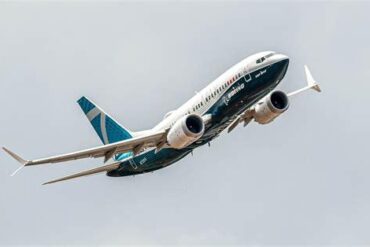
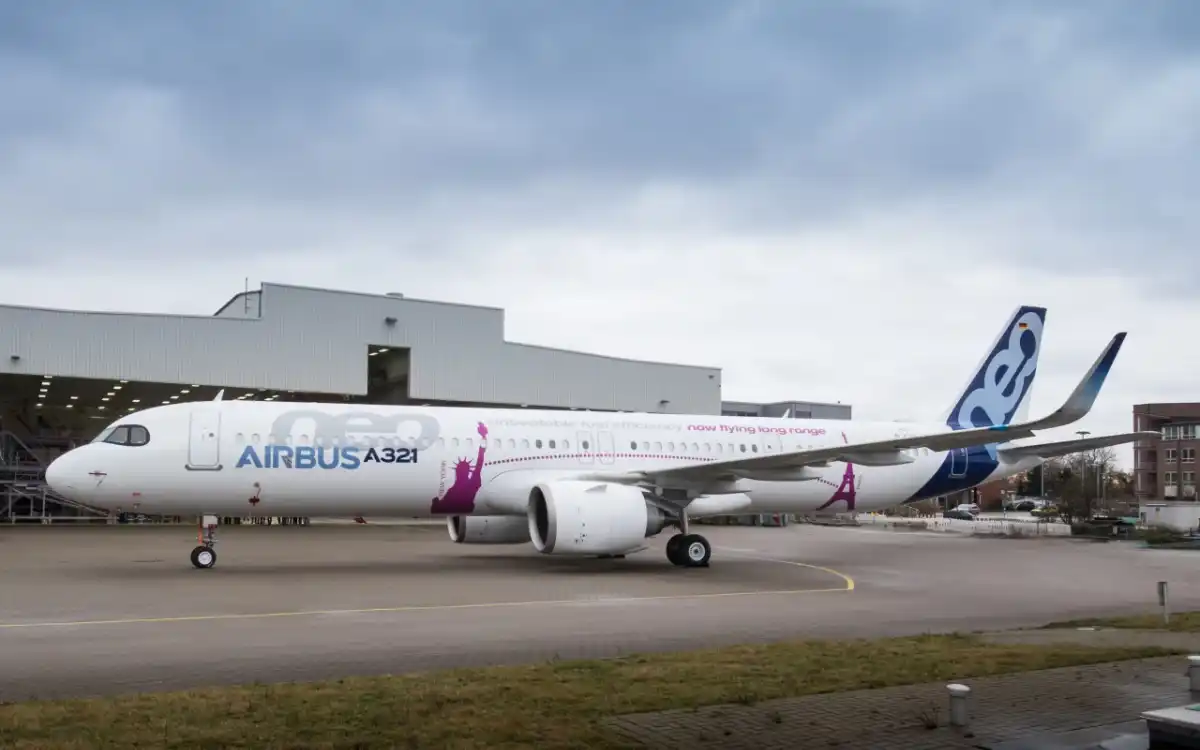
The rise of long-haul narrowbody operations is no longer an experiment. It is becoming one of the defining strategic transformations in modern aviation. Airlines around the world are embracing aircraft such as the Airbus A321LR, Airbus A321XLR, and Boeing 737 MAX 8 to open routes that would have once been considered impossible or commercially unrealistic for narrowbody jets.
This transformation is not simply about aircraft technology. It reflects changing passenger demand, rising operational costs, airport slot constraints, and a new economic reality that rewards flexibility over sheer size. Long-haul narrowbodies are allowing airlines to rethink network planning entirely, creating direct links between cities that previously required inconvenient transfers through massive hub airports.
The result is a quieter revolution that is changing how the world flies.
After years of relying on high-capacity aircraft to maximize efficiency, airlines are discovering that smaller jets operating more targeted routes can often produce stronger financial returns. Instead of filling 300 seats on a widebody aircraft, carriers can profitably operate a 180-to-220-seat narrowbody on thinner routes with lower risk and greater year-round adaptability.
Why Airlines Are Prioritizing Long-Haul Narrowbody Aircraft
Airlines operate in one of the most financially unforgiving industries in the world. Fuel prices fluctuate constantly, labor costs continue rising, airport fees increase annually, and competition is relentless. Margins are notoriously thin, forcing airlines to pursue every possible efficiency advantage.
This economic pressure is a major reason long-haul narrowbodies have become so attractive.
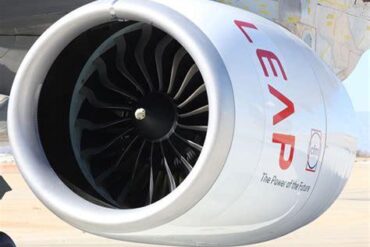
Modern aircraft like the Airbus A321LR and A321XLR consume dramatically less fuel than older widebody aircraft while requiring fewer crew members and lower maintenance costs. For airlines, that creates a powerful equation: lower operating expenses combined with the ability to serve markets that cannot consistently fill larger jets.
The economics become especially compelling on “thin” long-haul routes. These are city pairs with enough demand to justify nonstop service but not enough passengers to sustain daily widebody operations. Historically, travelers on these routes had to connect through crowded hubs such as London Heathrow, Frankfurt, Paris Charles de Gaulle, or New York JFK.
Today, airlines can bypass those hubs entirely.
TAP Air Portugal, for example, has used the Airbus A321LR to connect smaller North American destinations with Portugal while adjusting seasonal capacity more efficiently than would be possible with larger aircraft. During weaker travel periods, swapping an Airbus A330 for an A321LR enables the airline to maintain service profitability without abandoning the route entirely.
This flexibility has become crucial in a post-pandemic aviation environment where demand patterns are less predictable and travelers increasingly value nonstop convenience over aircraft size.
Low-cost airlines have also recognized the opportunity. Historically, budget carriers struggled to enter long-haul markets because operating widebody aircraft required enormous financial investment and higher passenger volumes. Narrowbody long-haul aircraft changed that equation completely.
JetBlue’s transatlantic expansion demonstrates how disruptive this model can be. By using the Airbus A321LR on routes between the United States and Europe, the airline entered markets traditionally dominated by legacy carriers operating widebody fleets. The aircraft’s lower costs enabled competitive pricing while still offering premium cabin products, including lie-flat business-class seats.
The Boeing 757 Created The Blueprint
Long-haul narrowbody operations may feel revolutionary today, but the concept itself is not new. The original pioneer was the Boeing 757.
Introduced in the early 1980s, the 757 quickly developed a reputation as one of the most versatile aircraft ever built. It combined narrowbody efficiency with unusually strong range and performance capabilities, allowing airlines to operate transcontinental and transatlantic flights that smaller jets could not handle.
The aircraft became particularly valuable because it occupied a unique middle ground. It could carry around 200 passengers while flying routes exceeding 3,900 nautical miles. That combination proved ideal for airlines seeking flexibility across both domestic and international markets.
For decades, the Boeing 757 excelled on routes connecting secondary North American cities to Europe. Airlines such as Delta Air Lines, United Airlines, and Icelandair relied heavily on the aircraft to build profitable long-haul networks without requiring larger widebody jets.
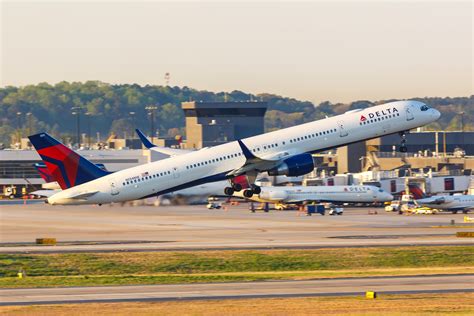
Even after Boeing ended production in 2004, the aircraft remained indispensable. Airlines continued flying aging 757 fleets because no true replacement existed. The industry had a glaring gap: an aircraft capable of carrying roughly 200 passengers across long distances with narrowbody economics.
That gap is precisely what the Airbus A321LR and A321XLR were designed to fill.
The modern long-haul narrowbody movement is therefore less a radical innovation and more the continuation of a strategy first validated by the 757 decades ago. The difference is that today’s aircraft achieve those missions with significantly better fuel efficiency, lower emissions, and modern passenger cabins.
Airbus A321XLR Is Transforming Route Planning
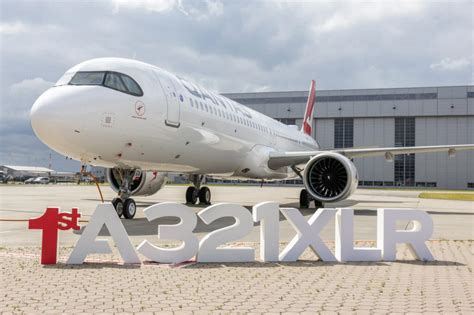
Among all modern narrowbody aircraft, none has generated more excitement than the Airbus A321XLR.
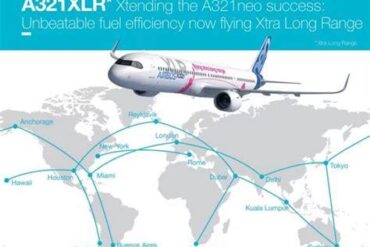
The aircraft represents a major leap forward in narrowbody range capability. With a maximum range approaching 4,700 nautical miles, the A321XLR can connect city pairs previously considered outside the reach of single-aisle aircraft.
This capability opens enormous possibilities for airlines.
Routes such as New York to Rome, Montreal to Lisbon, or Manchester to Boston become financially viable even when passenger demand does not justify deploying a widebody aircraft. Airlines can now launch nonstop service between secondary cities while avoiding the risk associated with operating larger planes.
For passengers, this often means shorter travel times and fewer connections. Instead of connecting through crowded hubs, travelers can fly directly between smaller cities.
The timing of the A321XLR’s arrival is particularly important because global aviation networks are evolving away from traditional hub dominance. Travelers increasingly prefer direct flights, especially after the disruptions experienced during recent years. Airlines understand that convenience has become a competitive advantage.
The aircraft also allows carriers to experiment with new destinations more safely. Launching a new long-haul route with a Boeing 787 or Airbus A350 involves substantial financial exposure. Filling hundreds of seats consistently can be difficult, especially during off-peak seasons.
An A321XLR reduces that risk dramatically.
If demand grows, airlines can later upgrade to larger aircraft. If demand remains modest, the route can still remain profitable because the aircraft’s operating costs are lower.
This flexibility explains why airlines worldwide rushed to order the aircraft. Airbus has accumulated thousands of A321neo-family orders, including substantial demand for LR and XLR variants. The backlog stretches years into the future, highlighting how strongly airlines believe in the narrowbody long-haul strategy.
Boeing 737 MAX Is Expanding Beyond Short-Haul Markets
Although the Airbus A321XLR receives much of the attention, Boeing’s 737 MAX family is also playing a major role in long-haul narrowbody growth.
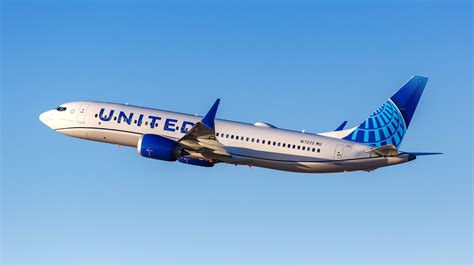
The 737 MAX 8 offers significantly improved fuel efficiency compared with earlier generations while delivering ranges capable of supporting transatlantic operations. Airlines including Air Canada, Icelandair, and WestJet have already used the aircraft on routes connecting North America and Europe.
The economics are highly attractive on lower-demand routes where deploying larger aircraft would be inefficient.
For airlines already operating large 737 fleets, the MAX provides additional advantages beyond fuel savings. Pilot training commonality, simplified maintenance, and operational familiarity reduce overall complexity. Instead of introducing an entirely new aircraft type, airlines can extend the capabilities of existing fleets.
This strategy is particularly valuable for carriers focused on fleet standardization. Maintaining fewer aircraft types lowers costs while improving scheduling flexibility.
Boeing is also betting heavily on future MAX variants such as the MAX 7 and MAX 10. These aircraft further expand the company’s ability to target market segments historically dominated by the Boeing 757.
Still, Airbus currently holds a stronger position in the long-haul narrowbody segment, largely because the A321LR and XLR offer greater range and passenger capacity. That advantage has allowed Airbus to capture airlines specifically seeking 757 replacements.
Passenger Experience Is Improving Rapidly
One of the earliest criticisms of long-haul narrowbody flying centered on passenger comfort. Travelers worried that spending seven or eight hours on a single-aisle aircraft would feel cramped compared with larger widebody cabins.
Airlines recognized this concern immediately.
As competition intensified, carriers began investing heavily in premium cabin design, upgraded seating, improved entertainment systems, and enhanced onboard services specifically tailored for long-haul narrowbody operations.
JetBlue became one of the clearest examples. Its Airbus A321LR aircraft feature Mint Suites with lie-flat seats, sliding privacy doors, and premium dining options designed to rival business-class experiences on much larger aircraft.
Other airlines quickly followed.
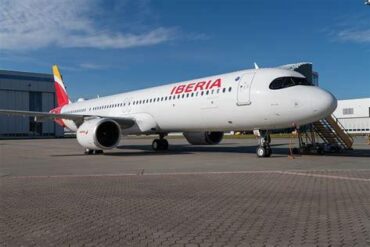
Aer Lingus, TAP Air Portugal, Iberia, and Air Transat have all developed long-haul narrowbody cabins that prioritize comfort despite the smaller airframe. Improved cabin pressurization, quieter engines, mood lighting, and advanced seating designs have significantly reduced the gap between narrowbody and widebody passenger experiences.
Many travelers now care less about aircraft size and more about avoiding connections. A nonstop eight-hour flight on a narrowbody aircraft is often preferable to a longer journey involving multiple airports, security checks, delays, and layovers.
The economics and passenger preferences are therefore aligning in ways that strongly favor continued narrowbody expansion.
Transatlantic Routes Are Leading The Shift
The North Atlantic market has become the primary proving ground for long-haul narrowbody operations.
This corridor is ideal because distances between northeastern North America and Western Europe fall comfortably within the operating range of modern narrowbody aircraft. At the same time, the market contains countless secondary city pairs with moderate but sustainable demand.
Instead of concentrating passengers through massive hubs, airlines are increasingly operating direct flights between smaller cities.
Examples include routes such as:
- Dublin to Cleveland
- Lisbon to Montreal
- New York to Edinburgh
- Boston to Porto
- Reykjavik to numerous secondary North American destinations
These routes would often struggle to support daily widebody service year-round. Narrowbody aircraft make them commercially viable.
Airport slot limitations further strengthen the strategy. Major airports like Heathrow and JFK have extremely limited capacity. Airlines using smaller aircraft more strategically can maximize slot utilization while maintaining profitability.
This trend is also reshaping competitive dynamics. Smaller airlines can now challenge legacy carriers on routes that previously required expensive widebody fleets. That competition often results in lower fares and more travel options for consumers.
The Future Of Long-Haul Flying Is Becoming More Flexible
The continued growth of long-haul narrowbody operations appears inevitable.
Airbus and Boeing collectively hold massive backlogs for next-generation narrowbody aircraft, with thousands still awaiting delivery. Airlines clearly see these jets not as niche tools but as central pillars of future network strategy.
Widebody aircraft will remain essential for ultra-long-haul routes and major international corridors with heavy passenger demand. Flights such as London to Singapore or New York to Tokyo still require larger aircraft capable of carrying substantial passenger and cargo loads.
However, the market between short-haul narrowbody routes and massive intercontinental widebody services is expanding rapidly. That middle ground is where aircraft like the A321XLR thrive.
The broader aviation industry is shifting toward precision rather than scale alone. Airlines increasingly want the ability to match aircraft size closely with actual passenger demand instead of relying on oversized jets that become difficult to fill profitably.
Environmental pressures also reinforce this direction. More fuel-efficient narrowbody aircraft help airlines reduce emissions while meeting stricter sustainability targets. Governments and consumers alike are demanding cleaner aviation operations, and next-generation narrowbodies offer measurable efficiency improvements compared with older aircraft.
In many ways, the rise of long-haul narrowbodies reflects a larger transformation happening across aviation. Airlines are prioritizing adaptability, efficiency, and targeted connectivity over the traditional model of funneling passengers through giant hubs aboard ever-larger aircraft.
For travelers, that means more direct flights, expanded route options, and increased competition across international markets.
For airlines, it represents one of the most important strategic evolutions since the emergence of low-cost carriers decades ago.
And for aircraft manufacturers, the race to dominate the long-haul narrowbody segment has only just begun.