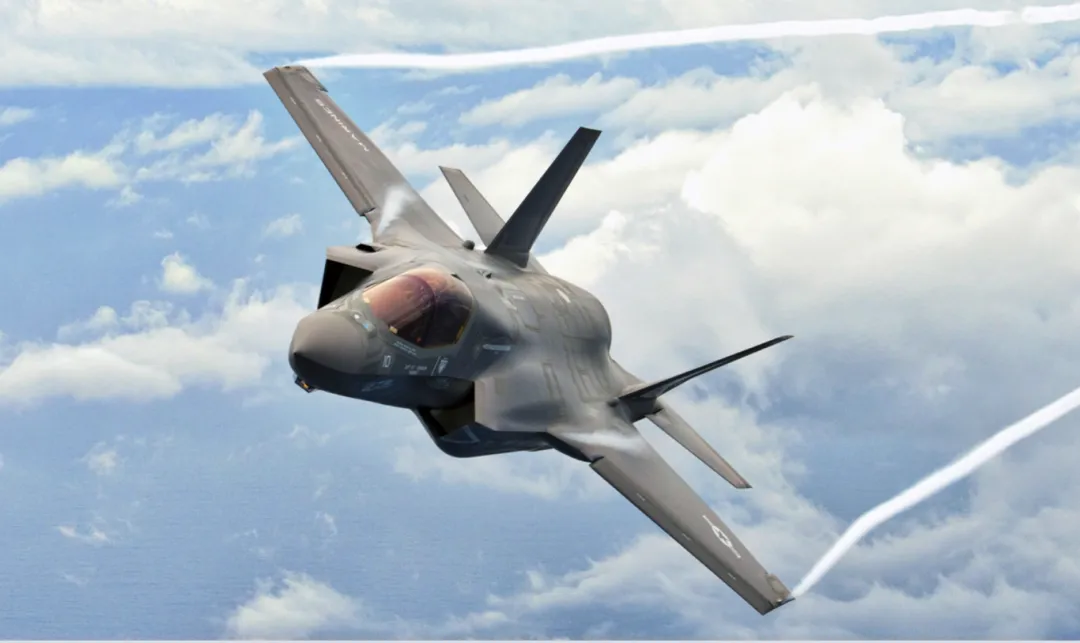
The F-35 Lightning II, developed by Lockheed Martin, represents a monumental achievement in military aviation, combining stealth, advanced sensors, and unparalleled operational versatility. This fifth-generation fighter aircraft is expected to remain a cornerstone of global air power for several decades. As the aircraft’s operational longevity has become a critical consideration for both defense ministries and military strategists, understanding the factors that contribute to its service life is essential. In this article, we will explore the key aspects that determine how long the F-35 will remain in service, from its structural lifespan and modernization efforts to its global adoption and future technological upgrades.
Structural Lifespan and Durability of the F-35
The F-35 Lightning II was designed with durability in mind, capable of withstanding the rigors of modern combat scenarios for many years. One of the primary factors influencing its service life is its structural integrity and the ability to withstand sustained use over time. Lockheed Martin has subjected the aircraft’s airframe to rigorous testing, and the results indicate a robust operational lifespan.
Accelerated Durability Testing and Expected Flight Hours
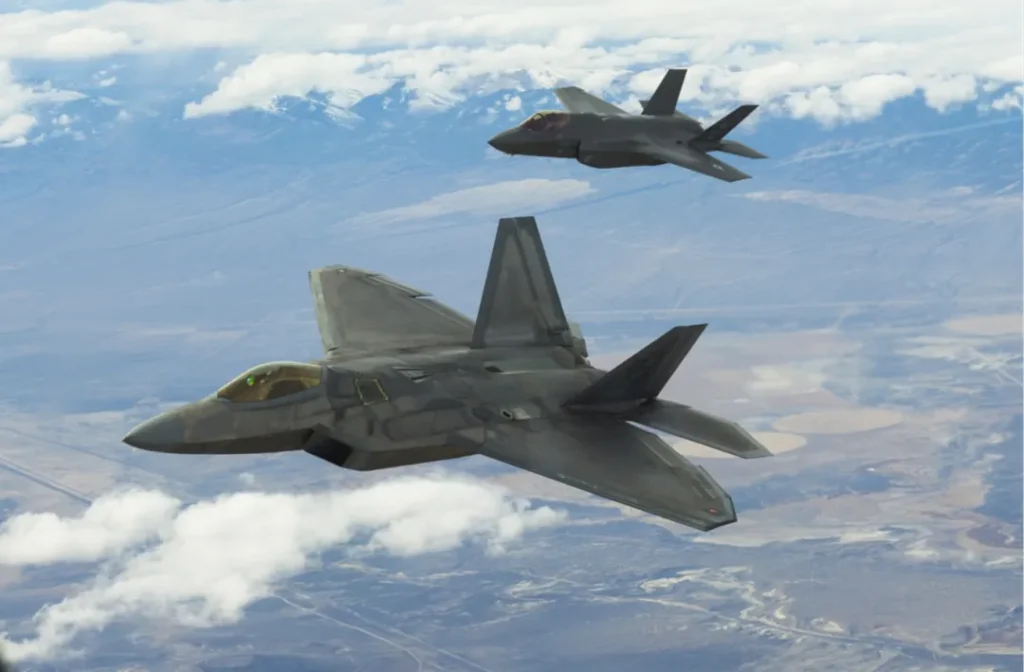
Lockheed Martin has confirmed that the F-35 is engineered for a structural lifespan of 24,000 flight hours, far surpassing earlier generations of fighter jets. To put this into perspective, if an F-35 were to fly between 250-300 hours per year, it could potentially remain in active service for over 80 years. This figure is based on theoretical calculations assuming ideal conditions, such as consistent usage and maintenance.
However, in the real world, aircraft do not typically reach their maximum flight hour potential before being replaced due to evolving threats and technological advancements. Even so, the durability of the F-35 ensures that it can remain a viable asset for several decades, with most military forces likely to extend its operational life well into the 2060s or 2070s.
Flight Hour Usage in Modern Combat
For most modern fighter jets, the operational life is often constrained by flight hours, as these hours determine the overall wear and tear on the airframe, engines, and various subsystems. The F-35, with its advanced design, is expected to perform in active service until well into the second half of the 21st century. Though the aircraft’s lifespan may not reach its theoretical 80+ years, the F-35 will likely serve for much longer than many of its predecessors, especially with ongoing upgrades and maintenance efforts.
The Role of Modernization and Block Upgrades
One of the most critical aspects ensuring the F-35’s longevity in service is its ability to undergo incremental upgrades. These upgrades are part of the ongoing effort to keep the aircraft at the cutting edge of technology, allowing it to remain relevant in the face of rapidly evolving threats.
Block 4 and TR-3 Modernization Program
The Block 4 modernization program is one of the key factors that will contribute to the F-35’s extended service life. This program focuses on integrating advanced hardware and software upgrades, enabling the aircraft to stay competitive against emerging threats, including next-generation aircraft and advanced air defense systems.
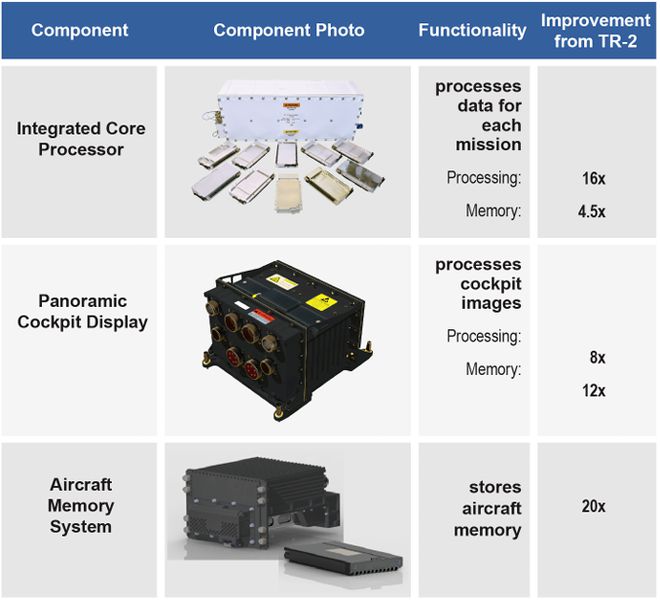
One of the most significant elements of the Block 4 upgrades is the Technology Refresh-3 (TR-3) program, which involves a complete overhaul of the aircraft’s core systems. The TR-3 upgrade features a 25x more powerful processor and 20x increased memory. This dramatic improvement forms the foundation for the aircraft’s future software capabilities, ensuring that the F-35 remains adaptable to new mission requirements and technological developments.
Enhanced Sensors and Electronic Warfare Systems
Alongside the processing upgrades, the Block 4 modernization also includes improvements to the aircraft’s sensor suite. Notable among these are updates to the AN/APG-85 radar, which enhances the F-35’s ability to detect and engage adversaries at greater ranges. This is particularly important given the increasing sophistication of modern threats, such as sixth-generation fighters and advanced air defense systems. Additionally, improvements to electronic warfare systems further enhance the aircraft’s survivability in contested environments.
These upgrades are designed to keep the F-35 relevant in an increasingly complex combat landscape, ensuring that it can remain in service until at least the 2070s. The ability to modernize the aircraft incrementally without requiring a complete overhaul or replacement is a critical factor in its long-term viability.
Global Adoption and Production Rates
The global adoption of the F-35 has been one of the key indicators of its extended service life. As of early 2025, more than 1,100 F-35s have been delivered to 10 countries, and the aircraft is expected to continue to expand its fleet in the years ahead. The F-35’s international presence speaks to its versatility, performance, and ability to meet the diverse needs of various air forces and navies.
Ongoing Orders and Fleet Expansion
Countries like Israel and the United States continue to invest heavily in the F-35. For example, Israel recently expanded its fleet to 75 F-35s, replacing older aircraft and enhancing its air force capabilities. Similarly, the U.S. is negotiating sales to countries like India, despite some challenges related to compatibility with existing Russian systems. These ongoing sales and orders highlight the F-35’s growing importance on the world stage and underscore its potential to remain in service for many years.
Production and Assembly Lines
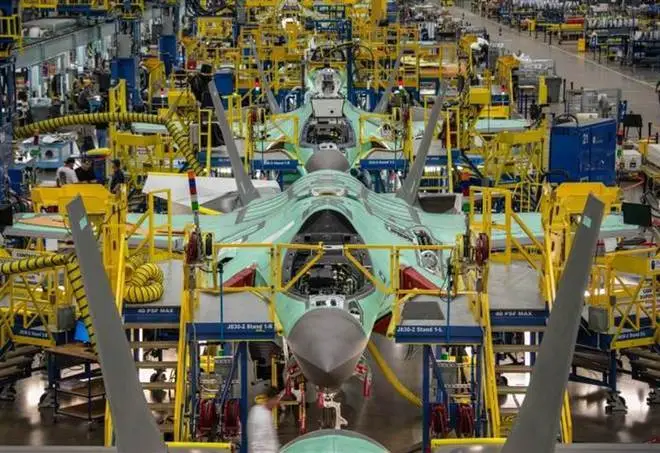
Currently, there are three active F-35 assembly lines in the U.S., Italy, and Japan, with production continuing at a steady pace. As of early 2025, 124 F-35s are being produced annually, ensuring a steady supply of new aircraft to replace older models and maintain a robust global fleet. The high production rate indicates that the aircraft will remain operational and in high demand for the foreseeable future.
Operational Challenges and Solutions
While the F-35 has been an exceptional success, it is not without its operational challenges. As with any complex military system, the aircraft has faced issues related to maintenance, operational readiness, and costs. However, efforts to mitigate these challenges have been put in place to ensure the long-term viability of the fleet.
Maintenance and Mission-Readiness
One of the main issues facing the F-35 fleet is its mission-readiness rate, which has fluctuated over the years. As of March 2023, only 55% of F-35s were mission-ready due to maintenance backlogs. These challenges primarily stem from issues related to parts availability and logistical inefficiencies. However, the U.S. Department of Defense and Lockheed Martin have made significant strides in improving the F-35’s logistics network and increasing the availability of spare parts.
Cost Reduction and Operational Efficiency
The operational costs of the F-35 have been another point of concern. However, since 2015, hourly operating costs have dropped by 50%, with a target of $25,000 per hour by 2025. These cost reductions make the F-35 much more economically viable for extended operations, ensuring that it can continue to serve as a primary asset for global air forces without becoming prohibitively expensive.
Geopolitical and Technological Pressures
The F-35 is also facing geopolitical and technological pressures that could impact its future service life. As potential adversaries develop more sophisticated countermeasures, the need to constantly update the aircraft’s capabilities becomes even more pressing.
Advancements in Counter-Stealth Technology
Countries like China are making significant strides in counter-stealth technology, claiming the ability to detect the F-35 at ranges of 2,000 km using high-altitude surveillance systems. These claims highlight the ongoing arms race in military technology and the need for continuous upgrades to maintain the F-35’s stealth advantage. As such, the development of newer technologies to counter these threats will be essential to the aircraft’s ongoing relevance.
Integration into NATO Operations
The F-35 is also central to NATO’s operational strategies, with deployments in regions such as the Arctic, Baltic, and Middle East. Its ability to integrate seamlessly with NATO’s joint operations underscores its importance as a long-term asset in global security. The F-35’s role in these regions, alongside other NATO forces, ensures that it will remain a critical asset well into the second half of the 21st century.
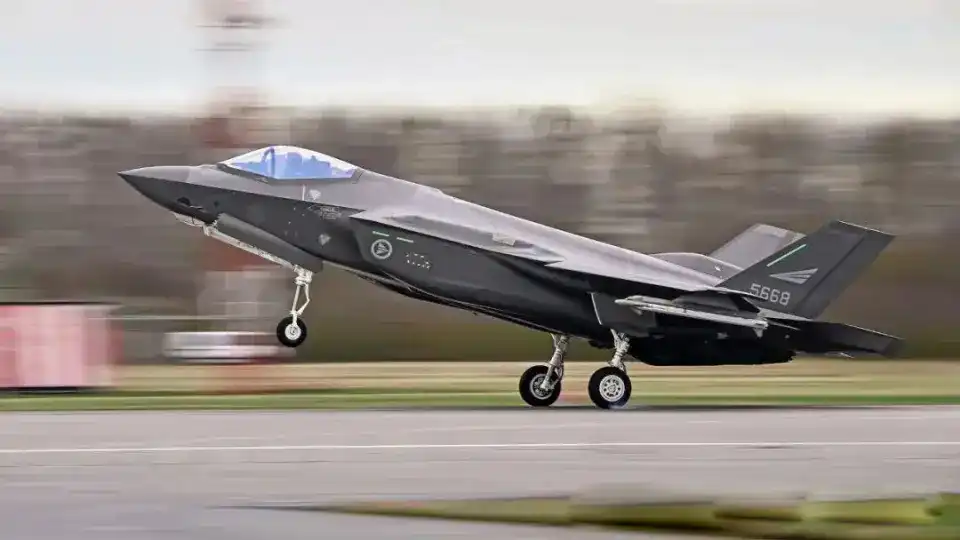
Projected Timeline for F-35 Service Life
Based on current projections and the ongoing modernization efforts, the F-35 is expected to remain a frontline fighter until at least the 2070s. However, its service life will likely follow a phased approach, with different variants serving in specialized roles over time.
2040s to 2050s: Core Fleet Remains Operational
In the 2040s, the core fleet of F-35s will remain operational, with many aircraft having undergone Block 4/TR-3 upgrades. These upgraded jets will continue to be a primary asset for air forces, with advanced capabilities ensuring they can face the evolving challenges of the next few decades.
2050s to 2060s: Gradual Replacement by Sixth-Generation Fighters
By the 2050s and 2060s, the gradual introduction of sixth-generation fighters (e.g., the Next-Generation Air Dominance (NGAD) program) will begin to replace the F-35 as the primary frontline fighter. However, the F-35 will likely continue in secondary roles, such as electronic warfare and drone control, ensuring its relevance in specialized missions.
2070s and Beyond: The End of Early-Production Models
By the 2070s, the F-35 will begin to phase out its early-production models, with the upgraded variants continuing to serve in niche roles, such as electronic warfare or command and control of autonomous systems.
Conclusion: The Long-Term Future of the F-35
In conclusion, the F-35 Lightning II is expected to remain a cornerstone of global air power for decades, with its service life secured through a combination of structural durability, continuous upgrades, and global adoption. While the F-35 may eventually be replaced by newer, more advanced aircraft, it is clear that this remarkable aircraft will serve in various roles for well over half a century, ensuring that it remains a vital asset to the world’s air forces until at least the 2070s and beyond.