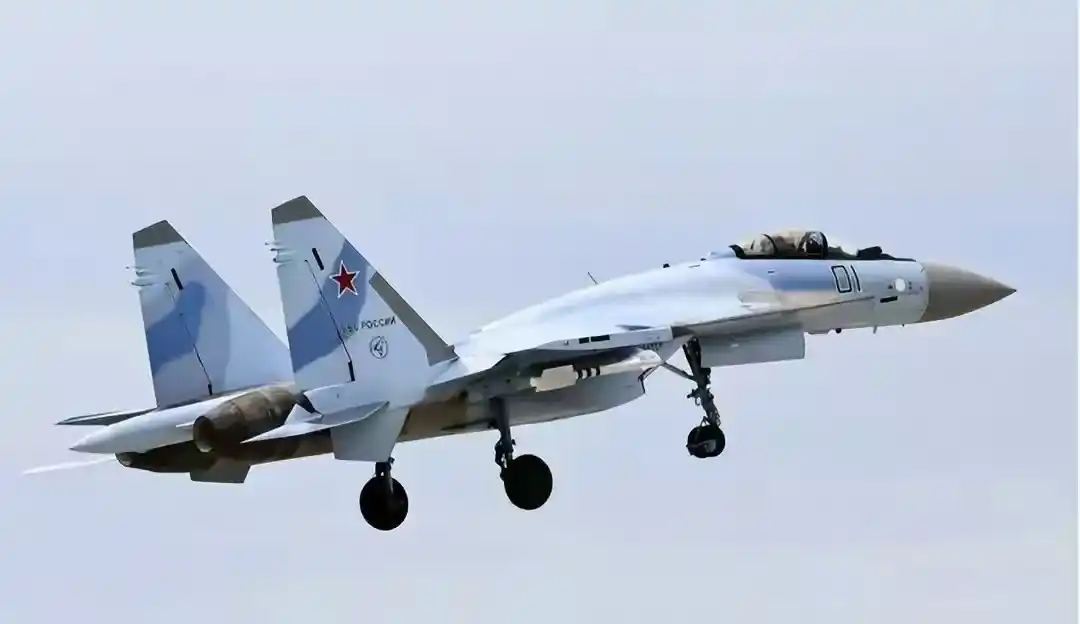
The Sukhoi Su-35 remains a formidable 4.5-generation multirole fighter, known for its agility, advanced aerodynamics, and high maneuverability. However, with the rise of fifth-generation stealth fighters and rapid technological advancements in modern air combat, questions arise about how long the Su-35 will remain relevant. This article provides a detailed analysis of the Su-35’s service life, considering its current operational status, technical limitations, upgrade potential, and global user landscape.
Current Service Status and Performance Assessment
Russian and Chinese Su-35 Deployment
The Russian Air Force introduced the Su-35 into active service in 2014, considering it a stopgap solution until the Su-57 fifth-generation stealth fighter reaches full operational capability. Russia heavily relies on the Su-35 as its primary air superiority fighter, with notable engagements in Ukraine showcasing both its strengths and vulnerabilities.
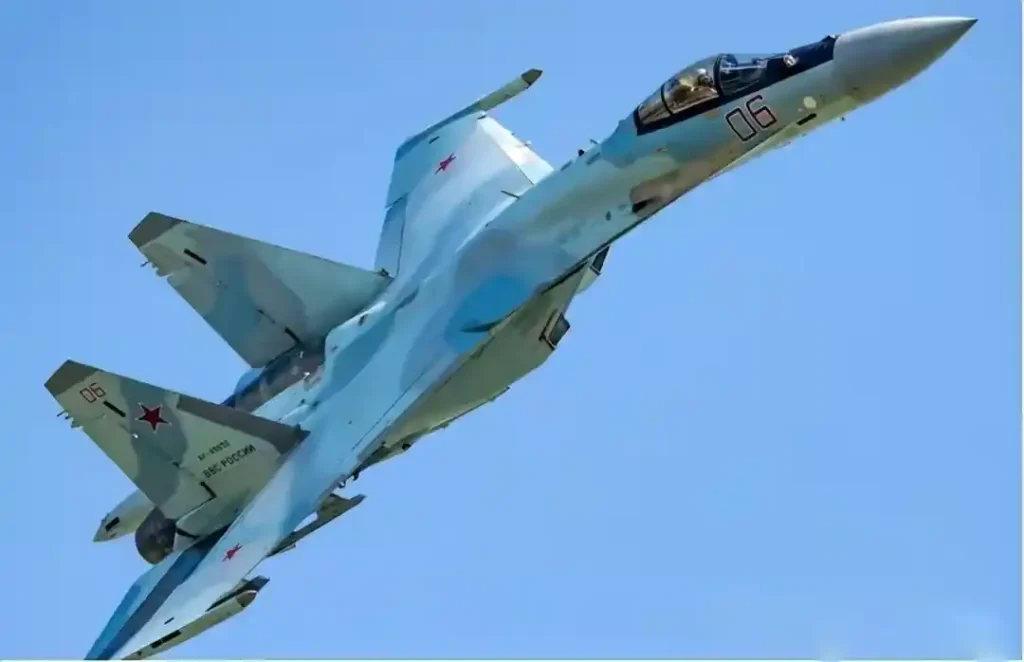
China became the first foreign customer of the Su-35, procuring 24 units in a deal worth $2 billion in 2015. The People’s Liberation Army Air Force (PLAAF) integrated these fighters by 2018, using them primarily as a transitional platform before the mass deployment of domestically produced J-20 stealth fighters. While the Su-35 provides short-term advantages in beyond-visual-range (BVR) combat, its avionics and electronic warfare capabilities are considered inferior to China’s indigenous aircraft like the J-16 and J-20.
Combat Performance and Key Strengths
Despite its technological shortcomings, the Su-35 has demonstrated strong performance in dogfights and air superiority missions. Its vector-thrust engines give it an edge in close-range combat, and its powerful radar provides some capability against stealth aircraft. Notably, in the Donbas conflict, Su-35 fighters achieved multiple air-to-air kills, reinforcing their effectiveness in contested airspace.
However, major drawbacks include:
- Outdated avionics: The N035 Irbis-E passive electronically scanned array (PESA) radar lags behind the active electronically scanned array (AESA) radars used by newer fighter jets.
- Limited stealth capabilities: The Su-35 remains vulnerable to modern stealth aircraft, particularly in BVR engagements.
- Electronic warfare (EW) deficiencies: The Su-35’s EW suite is outperformed by more modern systems found in Western and Chinese aircraft.
Projected Service Life of the Su-35
Technical Service Life Expectancy
The average service life of a modern fourth-generation fighter ranges between 30 to 40 years, depending on upgrades, maintenance, and operational intensity. Given that the Su-35 entered Russian service in 2014, a basic estimation suggests the platform could remain operational until at least 2045. However, its long-term viability depends on modernization programs and integration of next-generation weaponry.
China’s Future Plans for the Su-35
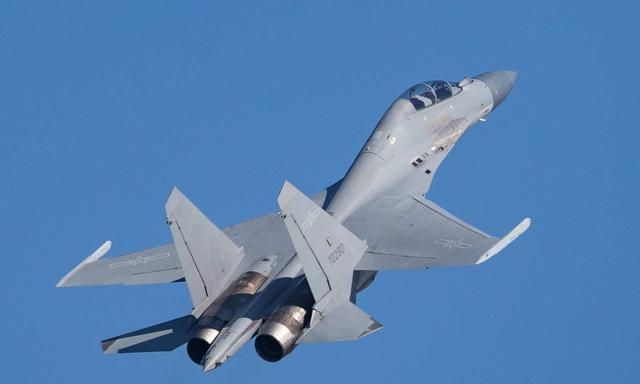
China’s PLAAF does not consider the Su-35 a core component of its long-term air combat strategy. Instead, it functions as a reserve force, supplementing domestically produced fighters. As China expands its J-20 stealth fighter fleet and further develops the J-35 carrier-based stealth aircraft, the Su-35 is expected to phase out between 2035 and 2040. Additionally, China’s preference for homegrown technology limits the potential for Su-35 upgrades, making an early retirement likely.
Russia’s Dependence on the Su-35
For Russia, the Su-35 remains a critical asset due to the delayed full-scale production of the Su-57. Financial constraints, exacerbated by economic sanctions, mean that Russia will likely continue to rely on the Su-35 as its primary air superiority fighter until at least 2045. However, to remain relevant, the Su-35 will require significant upgrades, including:
- Improved avionics and AESA radar integration
- New-generation electronic warfare systems
- Stealth modifications and low-observable coatings
- Integration of hypersonic air-to-air missiles
The Impact of Global Users on Service Life
Several other countries, including Egypt, Indonesia, and Iran, have either acquired or expressed interest in the Su-35. However, some nations have backed out of deals due to geopolitical concerns and performance limitations. For instance, Indonesia canceled its Su-35 order, citing U.S. sanctions and interoperability concerns.
Iran, on the other hand, confirmed its purchase of Su-35s in 2025, with an expected service life extending to at least 2040. Given Iran’s limited access to modern fighter aircraft, the Su-35 may remain a cornerstone of its air force for decades.
Key Factors Affecting the Su-35’s Retirement Timeline
Stealth Fighter Proliferation
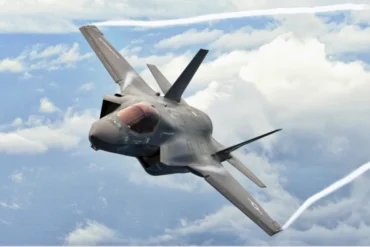
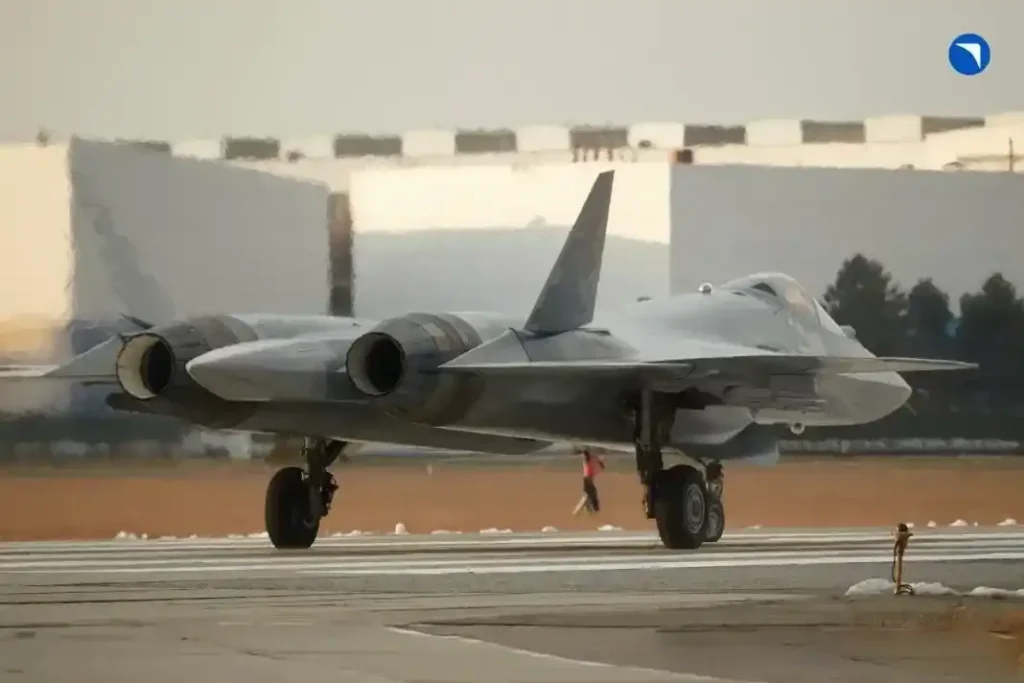
The growing dominance of fifth-generation stealth fighters poses a direct threat to the Su-35’s battlefield viability. Aircraft such as the F-35, J-20, and Su-57 feature advanced radar evasion capabilities, reducing the effectiveness of the Su-35 in BVR combat. As stealth aircraft numbers increase, the Su-35’s relevance in modern air warfare diminishes.
Evolution of Air Combat Tactics
Modern network-centric warfare relies on data fusion, real-time battlefield awareness, and electronic warfare capabilities. The Su-35’s architecture lacks full integration with modern digital battle networks, making it less effective in multi-domain operations. Without substantial upgrades, its ability to coordinate with modern fighter jets, drones, and ground-based sensors will be severely limited.
Operational Losses and Maintenance Costs
Combat engagements in Ukraine have exposed vulnerabilities in the Su-35’s survivability. Several units have been shot down, highlighting weaknesses in countermeasures and survivability against modern surface-to-air missile (SAM) systems. Additionally, as Su-35 fleets age, the cost of maintaining the aircraft will increase, making early retirement a possibility if sustainment becomes financially unsustainable.
Conclusion: The Su-35’s Future in Global Air Forces
The Su-35 will remain in service for the foreseeable future, but its operational longevity will vary by country:
- China: Expected retirement between 2035-2040, depending on the expansion of domestic fighter production.
- Russia: Likely to continue using the Su-35 until 2045 or beyond, contingent on modernization and Su-57 production rates.
- Other nations: Countries such as Iran and Egypt may operate the Su-35 until at least 2040, while others, like Indonesia, have opted out of the platform.
Ultimately, while the Su-35 remains a capable fourth-generation fighter, its long-term relevance depends on its ability to adapt to modern air combat demands. Whether through upgrade programs or strategic retirement, the Su-35’s service timeline will be shaped by technological advancements and geopolitical shifts in the coming decades.