Pilot certification in the United States represents a highly structured, deeply regulated process governed by the Federal Aviation Administration (FAA) under Title 14 of the Code of Federal Regulations (CFR) Part 61. We examine this framework as a comprehensive pathway that transforms prospective aviators from aspiring students to fully qualified airline transport pilots capable of operating some of the world’s most advanced aircraft. The process requires rigorous training, demonstrated proficiency, adherence to medical standards, and a broad understanding of aeronautical principles. Each phase of certification expands operational privileges and demands mastery over increasingly complex aircraft, systems, and regulations. These certificates do not merely grant authority to manipulate flight controls; they serve as formal attestations of competence, responsibility, and safety in the national airspace.
The FAA’s certification structure supports diverse aviation goals, allowing individuals to pursue recreational flying, entrepreneurial opportunities in commercial operations, or professional airline careers. The pathway includes the student pilot certificate, sport pilot, recreational pilot, private pilot, commercial pilot, and the Airline Transport Pilot (ATP) certificate. Additional ratings such as the instrument rating, multi-engine rating, and instructor certificates offer further specialization. Each step requires methodical preparation, extensive flight experience, and successful completion of standardized examinations.
Regulatory Framework and Certification Standards
Pilot certification standards arise from FAA regulations that prioritize standardization, safety, and transparent evaluation. Part 61 governs the training and requirements for pilots, instructors, and ground instructors, while Part 67 covers the issuance and medical standards of aviation medical certificates. These elements work together to ensure that pilots possess the physical capability, cognitive skills, and aeronautical expertise necessary to operate safely within the national airspace system.
Applications for certificates are processed through the Integrated Airman Certification and Rating Application (IACRA), a secure, online platform that streamlines recordkeeping, instructor endorsements, examiner documentation, and verification of identity and eligibility. By centralizing this process, the FAA ensures that each applicant’s history—knowledge test results, training timelines, endorsements, and practical test outcomes—is meticulously documented. This contributes to uniform quality across training programs and helps flight standards inspectors and designated examiners evaluate pilots in accordance with the Airman Certification Standards (ACS). The ACS integrates aeronautical knowledge, risk management, and skill proficiency into a single evaluation system.
Pilots must also remain proficient in English to read, speak, write, and understand communications critical to flight operations. In cases where fluency is limited, the FAA may issue certificates with restrictions. These limitations can be removed once proficiency is demonstrated to the satisfaction of a designated examiner.
Student Pilot Certification and the Start of Training
The journey begins with the student pilot certificate, which establishes the foundational relationship between student and instructor. With a minimum age of 16 for powered aircraft, students must obtain either a third-class medical certificate or, in qualifying circumstances, use a U.S. driver’s license under BasicMed rules. Training focuses on aerodynamics, flight controls, weather interpretation, airspace classification, aircraft systems, and FAA regulations governing safe operations.
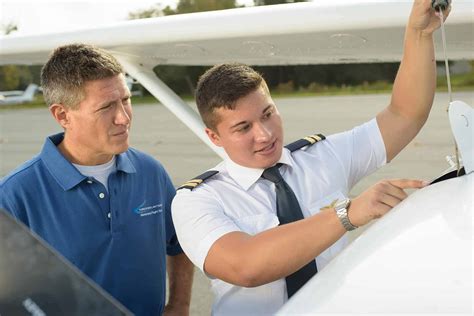
What distinguishes student pilots is the requirement for instructor endorsements before each phase of solo flight. These endorsements certify that students have demonstrated the necessary judgment and skill to conduct solo operations safely. While the certificate itself carries no flight privileges without instructor sign-off, it represents the first step toward autonomy in the cockpit and forms the basis for all future ratings.
Progression to Sport and Recreational Pilot Certificates
The sport pilot certificate serves as an efficient entry point for individuals seeking streamlined access to the skies. With only twenty hours of minimum flight time required for airplanes, the sport pilot category focuses on light-sport aircraft with limited seating capacity, weight, and performance. Applicants may qualify using a driver’s license instead of a medical certificate, underscoring the certificate’s accessibility. Despite these entry-level parameters, sport pilots must demonstrate mastery of aeronautical knowledge through a knowledge test and a practical test administered by an examiner.
The recreational pilot certificate occupies a middle ground between the sport and private pilot levels. With a minimum of thirty hours of training, recreational pilots gain authority to operate single-engine aircraft of up to four seats and 180 horsepower, although operational privileges remain tightly circumscribed. Cross-country operations beyond fifty nautical miles require additional endorsements, and recreational pilots are limited to daytime visual flight rules unless further training is completed. These restrictions exist to ensure that pilots remain within the operational envelope in which they have been trained.
Private Pilot Certification as the Core Standard
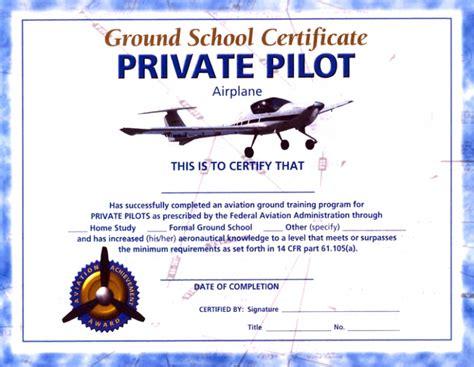
The private pilot certificate stands as the most recognized and widely pursued credential in American aviation. Requiring at least forty hours of total flight time—although most candidates exceed this total—the private pilot certificate grants broad privileges, including the ability to carry passengers, fly cross-country, and operate at night. The combination of dual instruction, supervised solo experience, night operations, and basic instrument training establishes a robust foundation for future advancement.
Ground training encompasses meteorology, aerodynamics, navigation, aircraft performance, federal regulations, and aviation decision-making. The private pilot checkride evaluates the applicant’s ability to integrate this knowledge with precise aircraft control. Successful candidates emerge as competent aviators capable of safely navigating the complexities of modern airspace systems.
Commercial Pilot Certification and Professional Competence
The commercial pilot certificate elevates aviation training to a professional level, enabling pilots to receive compensation for flight services. With a minimum requirement of 250 flight hours for airplanes, commercial pilot training demands refined precision, advanced maneuvers, and in-depth understanding of aeronautical decision-making. Applicants must demonstrate competence in commercial-level tasks such as chandelles, lazy eights, steep spirals, and performance-based navigation strategies.
Medical standards also rise at this stage, as commercial operations typically require a valid second-class medical certificate. Commercial pilots may work in diverse roles including passenger charter, cargo operations, aerial photography, patrol flying, and agricultural aviation. For many, this certificate also serves as the gateway to flight instructor certification, which provides a practical means of building flight time toward the ATP minimums.
Airline Transport Pilot Certification: The Highest Level
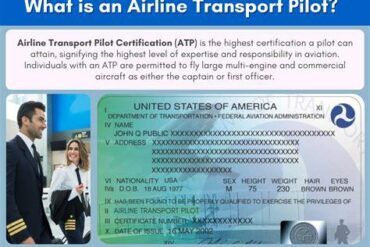
The Airline Transport Pilot (ATP) certificate represents the apex of pilot qualification in the United States. Applicants must be at least twenty-three years old and possess a minimum of 1,500 flight hours unless eligible for reduced-hour pathways through military training or approved collegiate programs. The ATP certificate authorizes pilots to serve as captain or first officer for scheduled air carriers, subject to type ratings for specific aircraft.
The ATP training regimen includes the ATP Certification Training Program (ATP-CTP), a comprehensive curriculum covering high-altitude operations, advanced aerodynamics, adverse weather, crew resource management, and turbine aircraft systems. After completing the ATP-CTP, applicants must pass a rigorous knowledge test followed by a demanding practical test. ATP pilots must hold a valid first-class medical certificate to exercise airline privileges, ensuring the highest possible medical fitness.

Additional Ratings: Instrument, Multi-Engine, Instructor, and Type Ratings
Instrument ratings significantly enhance operational flexibility by granting authority to operate in instrument meteorological conditions (IMC). Applicants must complete extensive instrument training, including forty hours of actual or simulated instrument time and cross-country procedures executed solely by reference to instruments. This rating is essential for professional pilots and mandatory for ATP certification.
Multi-engine ratings introduce pilots to the complexities of multi-engine aircraft such as asymmetric thrust, critical engine identification, and increased performance planning requirements. Type ratings, reserved for large aircraft or turbojet-powered models, require focused simulator and aircraft training tailored to a specific make and model.
Instructor certificates—CFI, CFII, and MEI—qualify pilots to conduct training, endorse students, and administer certain evaluations under supervision. These certificates require demonstration of teaching proficiency and mastery over aviation fundamentals.
Training Structures: Part 61 vs. Part 141
Pilot training in the United States typically occurs under either Part 61 or Part 141. Part 61 allows customizable training with certified flight instructors, offering flexibility for learners with unique schedules. Part 141 flight schools follow FAA-approved syllabi that can reduce minimum hour requirements due to their structured approach and oversight.
All candidates must pass the FAA knowledge test, which evaluates aeronautical knowledge through standardized computer-based examinations. After completing required training and receiving instructor endorsements, applicants proceed to the practical test, consisting of an oral examination and an in-flight demonstration of skill.
Medical certification under Part 67 remains a critical requirement. First-class medical certificates support airline operations, second-class certificates serve commercial pilots, and third-class certificates cover private pilots. Validity periods depend on the pilot’s age and class of certificate.
Maintaining Currency and Privileges
Pilot certificates never expire; however, maintaining privileges requires ongoing currency. Pilots must complete recurrent training such as flight reviews, instrument proficiency checks, and medical renewals. Currency requirements ensure that pilots retain the knowledge, judgment, and skill necessary to operate aircraft safely as technology evolves and regulatory standards change.
This ongoing commitment to proficiency reinforces the FAA’s overarching commitment to safety and standardization. Each certificate level contributes to a carefully calibrated ecosystem designed to ensure that every pilot operates with competence, responsibility, and regulatory compliance.
By understanding this certification pathway in detail, applicants can select the training structure, certificate level, and professional trajectory that best aligns with long-term aviation goals.