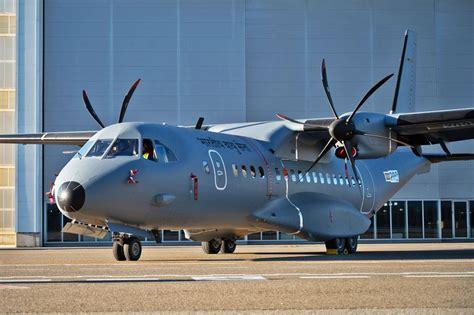
Spain’s Ministry of Defence has taken a decisive step to modernize its tactical airlift capabilities by ordering 18 Airbus C295 tactical transport aircraft, targeting a comprehensive upgrade of pilot training and paratrooper deployment operations. This move underscores a strategic push towards fleet standardization, logistical efficiency, and enhanced national readiness, reflecting both immediate training needs and long-term operational goals.
A Modern Tactical Transport Strategy for the Spanish Air and Space Force
On 23 December 2025, Airbus confirmed a significant procurement contract from Spain’s Ministry of Defence: 18 units of the C295 transport configuration, a highly adaptable tactical airlifter designed to fulfill multi-role missions. The decision marks a pivotal transition, retiring the ageing CN235 and C212 fleets, which have long served pilot formation and paratrooper delivery roles, in favor of a modernized, unified platform.
The selection of the Airbus C295 is more than a replacement. It represents a refined strategy to improve training throughput, reduce fleet complexity, and expand operational versatility. This aircraft is engineered to perform in austere and unprepared environments, making it ideal for dispersed operations and realistic combat-ready training environments.
Tactical Capabilities and Configurations: Inside the C295 Airlifter
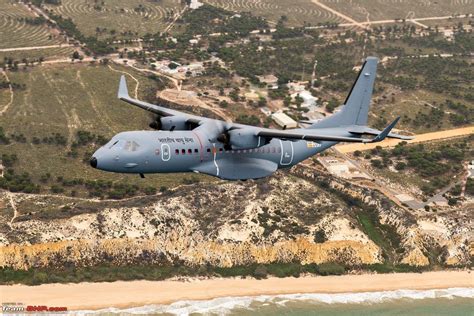
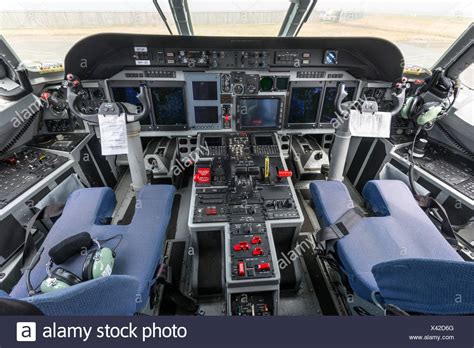
The Airbus C295 is a twin-turboprop tactical airlifter powered by two Pratt & Whitney Canada PW127G engines, optimized for low-cost operations and multi-mission versatility. In the configuration procured by Spain:
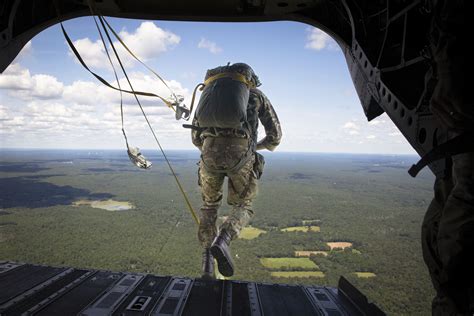
- It can carry up to 70 troops or 50 paratroopers.
- Capable of cargo transport, manual and automatic paratrooper drops, and medical evacuations.
- Handles payloads of up to eight tonnes.
- Has a mission endurance of up to 13 hours, adaptable to varying mission profiles.
- Designed for short takeoffs and landings on unprepared surfaces, a key enabler for remote base operations.
This level of capability not only enhances the operational realism of pilot and airborne training, but also ensures Spain’s forces remain ready for rapid deployment scenarios, humanitarian missions, and joint NATO operations.
Strategic Consolidation: Towards a Unified Tactical Fleet
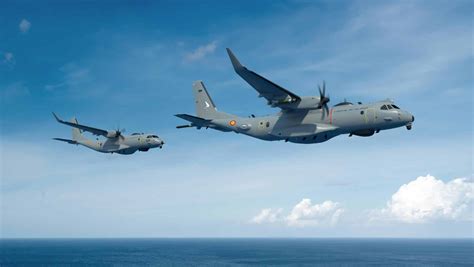
Spain’s selection of the C295 is part of a broader initiative to standardize its light transport missions under one platform. With this procurement, Spain’s total C295 fleet will rise to 46 aircraft, supporting roles in transport, maritime patrol, and surveillance. The logistical and operational benefits of this consolidation are substantial:
- Unified maintenance and parts supply chains.
- Reduced pilot and crew retraining costs.
- Simplified support infrastructure and simulator development.
This move also ensures continuity in Spain’s industrial base, as final assembly of the C295 takes place at Airbus Defence and Space facilities in Seville, reinforcing the country’s sovereignty and defense autonomy.
Phased Delivery Plan Aligned with Training Objectives
The contract is structured in two delivery phases, each aligned with key training institutions:
- First Batch (2026–2028):
- Assigned to the Military Air Transport School at Matacán Air Base, Salamanca.
- Replaces current CN235 aircraft.
- Mission focus: pilot training, passenger and cargo transport, and basic paratrooper deployments.
- Second Batch (2030–2032):
- Delivered to the Military Parachuting School at Alcantarilla Air Base, Murcia.
- Replaces legacy C212 aircraft.
- Configured for advanced paratrooper drops, including manual and automatic parachute deployment.
This sequencing guarantees uninterrupted training capabilities while enabling a seamless platform transition across air bases.
Integrated Ground Training Systems and Long-Term Support
Beyond the aircraft, the contract encompasses a comprehensive training and support ecosystem, aimed at creating a self-sustaining training and readiness loop. The following systems are included:
- Integrated Ground Training System (IGTS) tailored to Spanish needs.
- Flight simulators, computer-aided instruction tools, and training management software.
- Full maintenance and material management support for the C295 fleet at the Salamanca hub.
- Management of the training centers at both Salamanca and Murcia through December 2032.
This package demonstrates a forward-looking approach, treating the aircraft not as a standalone asset, but as part of a holistic operational capability that includes infrastructure, training continuity, and lifecycle management.
Anchoring Air Mobility in National Sovereignty and Industrial Capability
The decision to invest heavily in the C295 platform ties into broader themes of national defense autonomy and industrial policy. Spain’s cumulative C295 orders—now totaling 46 aircraft—reaffirm its commitment to domestic defense production and long-term operational self-reliance. Airbus notes that the platform has now surpassed 710,000 flight hours, with 329 aircraft ordered by 38 countries, establishing the C295 as a proven global workhorse.
This domestic production capability, anchored in Seville, provides Spain with:
- Strategic control over supply chains.
- A base for export potential and collaboration with allies.
- Assurance of spares and fleet availability during crises.
By choosing the C295, Spain is not only replacing ageing airframes—it is ensuring that its pilot training and airborne deployment systems are shielded from international supply disruptions and can scale with emerging defense needs.
Future Outlook: Building an Agile, Ready, and Resilient Air Force
This latest procurement signals a clear doctrinal and operational intent. Spain aims to create a fully agile light tactical airlift capability that is resilient, scalable, and training-optimized. The C295’s versatility ensures that it can evolve with mission profiles, allowing the Spanish Air and Space Force to:
- Rapidly adjust to crisis deployment requirements.
- Maintain high training throughput with mission fidelity.
- Support multi-theatre operations under both peacetime and conflict scenarios.
By investing in the C295 and its associated training ecosystem, Spain is laying down a foundation of readiness, ensuring that both current and future generations of pilots and airborne forces are equipped with the tools, tactics, and technology needed to excel.
Conclusion: A Cohesive, Future-Ready Tactical Aviation Vision
The acquisition of 18 Airbus C295 tactical transport aircraft reflects a deliberate, forward-leaning vision by the Spanish Ministry of Defence. More than just a fleet renewal, this contract consolidates Spain’s air mobility platforms, fortifies its training infrastructure, and embeds strategic autonomy within its national defense industry. With delivery phases aligned to institutional roles, integrated simulator support, and a domestic production backbone, Spain is asserting a new standard in tactical aviation readiness.
By 2032, Spain will operate a 46-aircraft C295 fleet, spanning transport, surveillance, and maritime patrol missions—a testament to its commitment to multi-role efficiency, training excellence, and operational sovereignty in the evolving defense landscape of Europe.