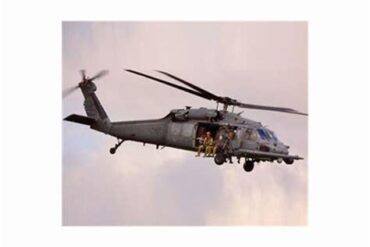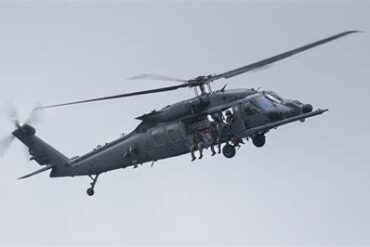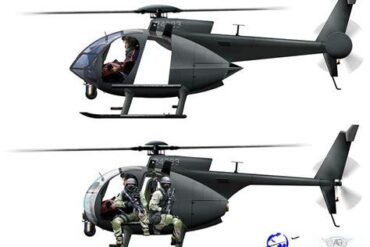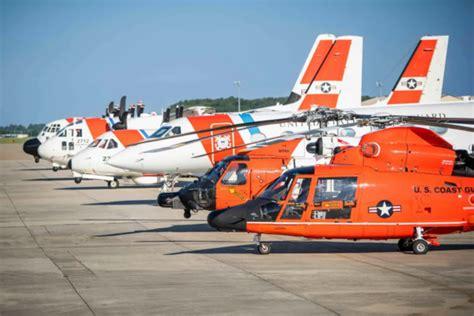
Rescue helicopters stand at the crossroads of technology, bravery, and urgent medical response, functioning as airborne lifelines in the most perilous situations. Their ability to swiftly navigate inaccessible terrain, hover in place, and land in confined areas has made them indispensable assets in emergency response operations. From mountainous rescues and offshore recoveries to wildfire containment and battlefield medevac missions, these aircraft have become symbols of hope and efficiency.
Unlike fixed-wing aircraft, helicopters possess vertical takeoff and landing (VTOL) capabilities, allowing them to operate where runways do not exist. This agility makes them particularly valuable in time-sensitive operations where every second can mean the difference between life and death. The modern rescue helicopter is not just a flying machine—it’s a mobile command center, intensive care unit, and tactical platform all rolled into one.
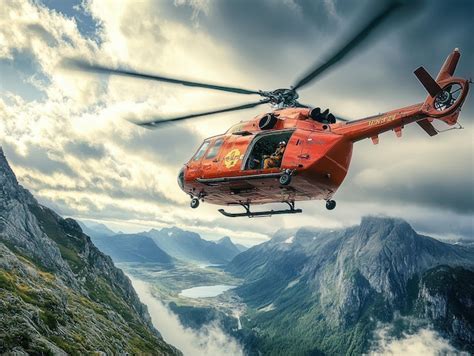
Medical Evacuation: The Origins of Aerial Lifesaving
Medevac operations remain one of the most vital roles of rescue helicopters. Since the Vietnam War popularized the use of helicopters for medical evacuations, rotorcraft have become the go-to solution for rapid patient transport. Helicopters drastically reduce the time between injury and treatment, a concept known as the “golden hour“—the crucial period within which trauma care is most effective.
Modern air ambulances are equipped with advanced life support systems, allowing onboard paramedics and flight nurses to stabilize patients mid-air. These flying ICUs connect remote accident sites to specialized trauma centers that may be hours away by ground. Medevac helicopters perform three primary functions:
- Evacuating trauma patients from car crashes, natural disasters, or remote industrial sites.
- Transferring critically ill patients between medical facilities.
- Retrieving injured military personnel from active combat zones.
The incorporation of GPS navigation, real-time telemetry, and telemedicine enhances the capabilities of medevac teams, enabling coordination with hospitals before arrival. In many regions, these aircraft are operated around the clock, prepared to launch within minutes of a call.
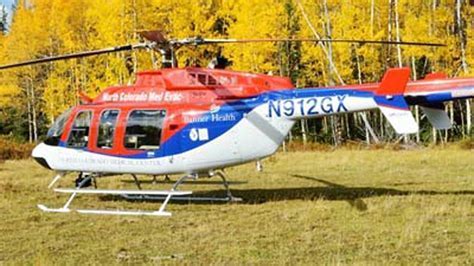
Aerial Firefighting: Confronting Wildfires From the Sky
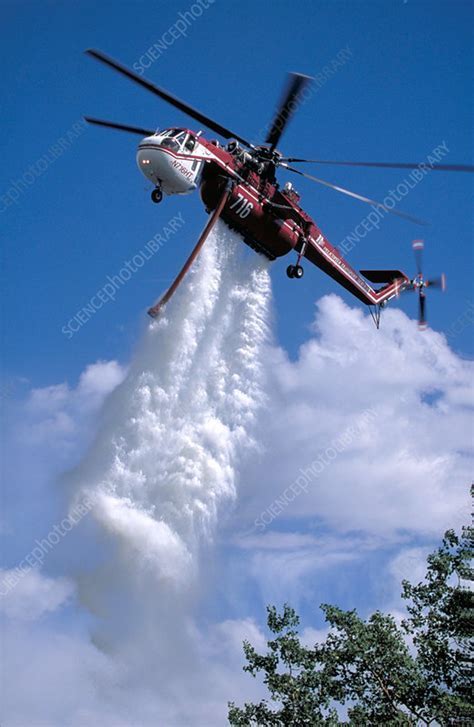
When massive wildfires threaten forests, communities, and wildlife, helicopters take to the skies as aerial firefighters. With their ability to deliver targeted suppression from above, helicopters play a central role in wildfire management, particularly in rugged terrain inaccessible by ground crews.
Helicopters are used in three primary firefighting capacities:
- Helitack: Deploys firefighters directly to the frontline. Teams and equipment are transported rapidly into critical areas to begin constructing firebreaks.
- Waterbombing: Aircraft are fitted with helitanks or Bambi Buckets, which they fill from nearby lakes or reservoirs to dump water directly onto flames.
- Chemical Retardant Application: Advanced helicopters use foam or gel cannons to coat vegetation and buildings, slowing fire progression.
Each year, government agencies such as the U.S. Forest Service allocate hundreds of millions in funding to secure contract helicopters for fire seasons. The coordination between airborne assets and ground command centers is crucial in orchestrating an effective response.
Police Aviation: Eyes in the Sky for Law Enforcement
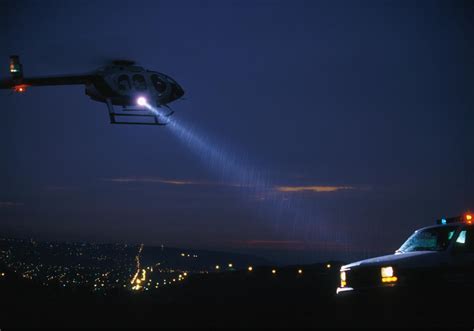
In urban and suburban law enforcement, police helicopters offer unmatched aerial surveillance, enabling rapid deployment and oversight that terrestrial units cannot match. These aircraft function as the ultimate tool for observation, pursuit, and command during critical operations.
Police aviation units typically operate light, agile helicopters like the Bell 505 or Airbus H125, which are equipped with high-resolution thermal imaging systems, spotlight arrays, and tactical radios. They play pivotal roles in:
- Monitoring and controlling traffic flows during major incidents.
- Pursuing suspects in high-speed vehicle chases.
- Supporting SWAT operations by delivering overwatch and tactical insertion.
- Conducting search and rescue missions in urban parks and outskirts.
These helicopters greatly reduce the need for road closures and pedestrian restrictions during police actions, improving public safety and officer efficiency. In many cities, the sound of rotors above signifies active law enforcement keeping watch over their community.
Disaster Relief: First Responders From the Sky
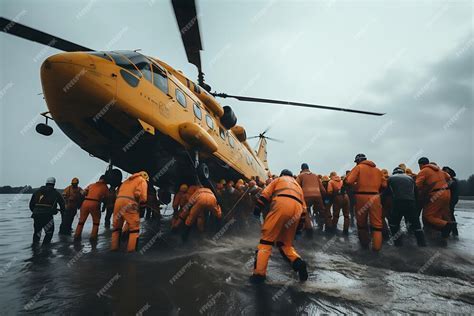
Natural disasters demand immediate, coordinated responses, often under extreme conditions. Rescue helicopters are among the first units deployed to assess, rescue, and supply in the aftermath of catastrophe. Whether responding to earthquakes in mountainous regions, floods in delta plains, or hurricanes along coastal cities, helicopters deliver critical aid and transport.
These missions typically include:
- Aerial assessment of damage using high-resolution imaging and real-time communication.
- Extraction of victims from unstable structures, isolated rooftops, or submerged areas.
- Deployment of medical teams and engineers to hard-to-access zones.
- Delivery of food, water, medical supplies, and shelter kits.
One of the most compelling aspects of disaster relief operations is the close cooperation between military, civilian, and humanitarian aviation resources. During Hurricane Harvey, U.S. Air Force Pararescue teams coordinated with FEMA and local agencies to evacuate stranded civilians using rotary-wing aircraft, a mission only made possible by helicopter mobility.
Coast Guard Helicopters: Guardians of Maritime Rescue
The vastness and unpredictability of open water make maritime rescue one of the most demanding environments for helicopter operations. Coast Guard aviation units maintain readiness 24/7, prepared to respond to shipwrecks, capsized vessels, and medical emergencies aboard distant fishing boats or cargo ships.
Two models dominate U.S. Coast Guard rescue efforts:
- MH-60 Jayhawk: A medium-range recovery helicopter equipped with advanced avionics and capable of flying in extreme conditions.
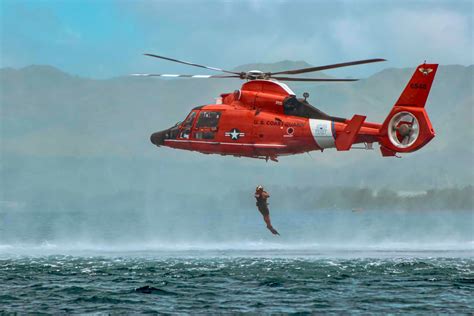
- MH-65 Dolphin: A short-range, nimble aircraft designed for quick deployment from cutters or coastal bases.
These aircraft support operations such as:
- Search and rescue (SAR) for mariners in distress.
- Homeland security missions including drug interdiction.
- Enforcement of maritime regulations and fishery protection laws.
Onboard, aviation survival technicians—often referred to as rescue swimmers—conduct some of the most daring operations, leaping into rough seas to secure survivors. Coast Guard helicopters represent not only technology but also the unshakable commitment to saving lives at sea.
The Logistics Behind the Scenes: Helicopter Ground Support
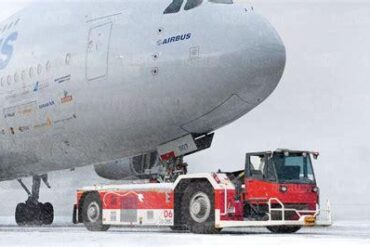
While rescue helicopters often steal the spotlight mid-flight, their operational success depends heavily on ground handling systems. After every mission, helicopters must be safely maneuvered, refueled, serviced, and repositioned. Equipment such as helicopter tugs, dollies, and ground power units play a crucial role in ensuring airframes are mission-ready.
Chopper Spotter, an industry leader since 1989, provides custom ground handling solutions for rescue helicopters around the world. Their electrically powered tugs offer unparalleled precision, even in icy or constrained hangar environments, reducing the risk of damage and maximizing uptime.
Reliable ground systems ensure that helicopters return to the sky without delay—because in emergency response, every moment matters.
Conclusion: The Indispensable Role of Rescue Helicopters in Modern Society
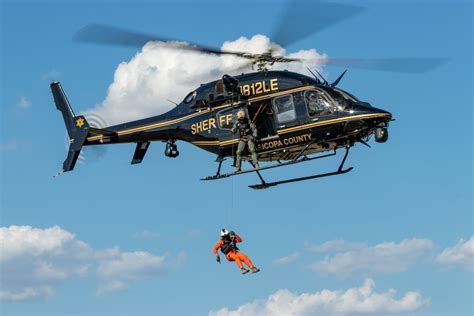
Rescue helicopters embody the union of speed, technology, and human resilience. In the face of fires, floods, violence, and war, these aircraft and their crews continue to rise—often literally—to the occasion. They provide lifelines to the vulnerable, tactical advantage to responders, and hope to the hopeless.
In every role they serve—from medevac flights deep in the jungle to winch rescues in frigid seas—the value of rescue helicopters is immeasurable. As technology continues to evolve, so too will the capabilities of these flying guardians, ensuring they remain at the forefront of lifesaving missions around the world.