Boeing aircraft are marvels of modern engineering, designed to endure tens of thousands of hours in the skies while safely transporting passengers and cargo across the globe. Yet, the question of how long the average Boeing plane stays in service invites a multifaceted exploration of technology, economics, and operational practices that shape the lifecycle of a commercial jet.
Understanding Aircraft Age: Beyond Calendar Years
When discussing the service life of a Boeing aircraft, it’s essential to move beyond the simplicity of calendar years. Technically, aircraft age is more accurately measured in flight cycles and flight hours. A flight cycle represents one takeoff and one landing — the moment of greatest pressurization and depressurization stress on the airframe. Flight hours, on the other hand, measure total time aloft.
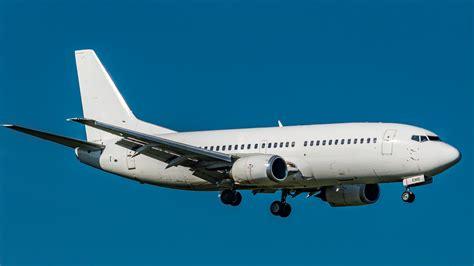
Each cycle and hour contributes to the gradual fatigue of structural components. Aircraft that operate short, frequent routes — such as Boeing 737s — accumulate more cycles relative to hours, accelerating structural wear. In contrast, wide-body aircraft like the Boeing 777 or 787 Dreamliner, which are primarily used on long-haul flights, accrue fewer cycles over the same time frame and thus often remain in service longer.
Average Retirement Age of Boeing Aircraft
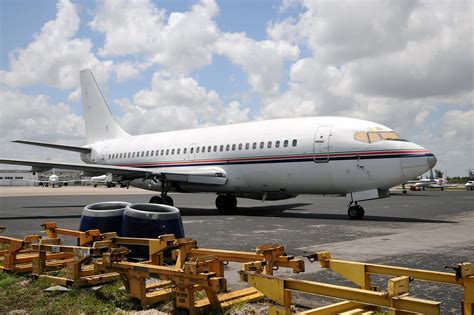
According to Boeing’s internal analysis, commercial passenger aircraft typically retire after about 26 years in service. However, this is an average, not a hard rule. The lifespan range varies significantly — from as few as 5 years to over 50 years, depending on the aircraft’s usage, model, and the operator’s business strategy.
The Boeing 737, one of the most ubiquitous narrow-body jets in the world, generally reaches around 50,000 flight cycles before retirement. Long-haul wide-body aircraft like the Boeing 777, on the other hand, can endure 25,000 to 45,000 flight cycles.
Interestingly, aircraft are often retired for economic reasons rather than structural fatigue. As newer models with better fuel efficiency, lower emissions, and advanced avionics enter the market, older jets become less cost-effective to operate.
Outliers: Flying Past Forty
Take Nolinor Aviation, for example — the Canadian charter operator runs a fleet of Boeing 737s averaging 44.4 years in age. While rare, this longevity is a testament to Boeing’s design durability and the power of rigorous maintenance programs. Nolinor’s operation model, which focuses on flying to remote regions where reliability is paramount and modernization pressure is minimal, supports the extended lifecycle of their jets.
However, such cases are exceptional. Most airlines today prefer to phase out aircraft earlier, driven by economic calculus, environmental regulations, and customer expectations for quieter, more comfortable, and technologically advanced cabins.
The Role of Maintenance: Extending Lifespan Safely
The backbone of long aircraft service life is maintenance. Boeing aircraft, like all commercial jets, undergo structured inspection cycles designed to ensure airworthiness and safety. These are typically categorized as:
- A and B Checks: Performed every few months, involving light maintenance, fluid checks, and avionics updates.
- C Checks: Conducted every 20–24 months, involving deep inspection of structural components, engine systems, and cabin.
- D Checks: The most intensive, carried out every 6 to 10 years. The aircraft is stripped down to its frame for comprehensive inspection and overhaul. This process can require up to 50,000 labor hours.
Technicians use non-destructive testing methods such as eddy current testing, ultrasonic scanning, and magnetic particle inspection to identify hidden fatigue or corrosion. Boeing also issues Airworthiness Directives (ADs) and Service Bulletins to mandate or recommend specific maintenance actions.
Moreover, each Boeing aircraft model has a Limit of Validity (LOV) — a regulatory benchmark denoting the structural lifespan in cycles or hours. Exceeding the LOV doesn’t ground the aircraft immediately but triggers more intensive inspection protocols before it can continue flying.
Why Planes Retire Earlier Than Designed
Though Boeing builds jets to last two to three decades, many aircraft never reach that age in active service. The average age of scrapped airliners is about 18 years, according to Air Salvage International. Sometimes, aircraft as young as 10 years are dismantled if they are deemed financially unviable.
The reason? Economics, again. Rising fuel costs, changing environmental regulations, higher maintenance burdens with age, and the cost of integrating older systems into modern airline IT and operations ecosystems can push airlines to retire aircraft early.
Additionally, global fleet strategy plays a major role. Airlines may streamline operations by consolidating fleets around fewer aircraft types, reducing training and maintenance complexity. Leasing companies and financiers may also influence retirement decisions based on residual value and return on investment.
The Second Life of Retired Boeing Jets
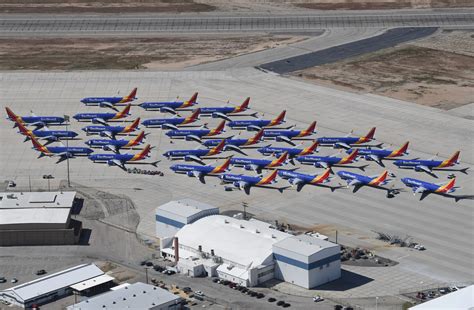
Retirement doesn’t always mean oblivion. Many Boeing aircraft, once retired from passenger service, find new life in cargo operations, military roles, or charter service. Others enter the vast network of aircraft storage facilities, like those in the Mojave Desert, where dry conditions slow corrosion.
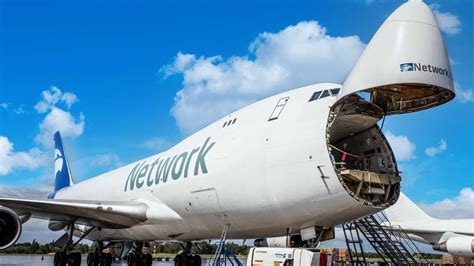
An increasingly vital industry has emerged around aircraft recycling and salvage. Companies dismantle jets, extracting valuable components, especially engines and avionics. The fuselage and other structural parts — largely aluminum — are repurposed.
- Around 80-85% of a Boeing aircraft is recyclable, with some models reaching up to 99% reuse.
- Parts are refurbished and reintroduced into the used parts market, helping operators maintain older fleets economically.
- Materials are used in consumer products — from soda cans to furniture — extending the Boeing legacy into daily life.
This circular economy is becoming increasingly significant as retirement rates rise. In 2025 alone, over 800 commercial aircraft are expected to retire. By 2050, that number will surge to 1,200 aircraft per year.
Fleet Turnover and the Future of Service Lifespan
Boeing’s future aircraft programs — such as those focusing on sustainable aviation and composite materials — are likely to alter service lifespan dynamics. Advanced materials like carbon-fiber-reinforced polymer (used extensively in the Boeing 787) resist fatigue and corrosion more effectively than traditional aluminum, potentially allowing longer useful lives — if economics align.
Meanwhile, environmental pressure, carbon taxation, and innovations in propulsion technology are accelerating fleet turnover. Many airlines have pledged net-zero carbon emissions by 2050, driving early retirement of older, less efficient jets.
Yet, even as cutting-edge models like the 737 MAX and 777X take to the skies, fleets will remain mixed for years to come. Some aircraft will serve for 30–40 years in secondary or tertiary markets, especially in regions with lower regulatory pressure and more flexible economic models.
Conclusion: More Than Just a Number
The lifespan of a Boeing aircraft is the result of an intricate ballet between engineering excellence, operational strategy, maintenance diligence, and financial decision-making. While the average service life hovers around 26 years, many aircraft retire earlier — and some later — for reasons that go far beyond metal fatigue.
As global aviation continues to evolve in response to environmental, technological, and market forces, the calculus of aircraft lifespan is shifting. Yet, Boeing planes, thanks to their robust design and adaptability, will likely continue to fly — or be reborn — long after their final scheduled landing.