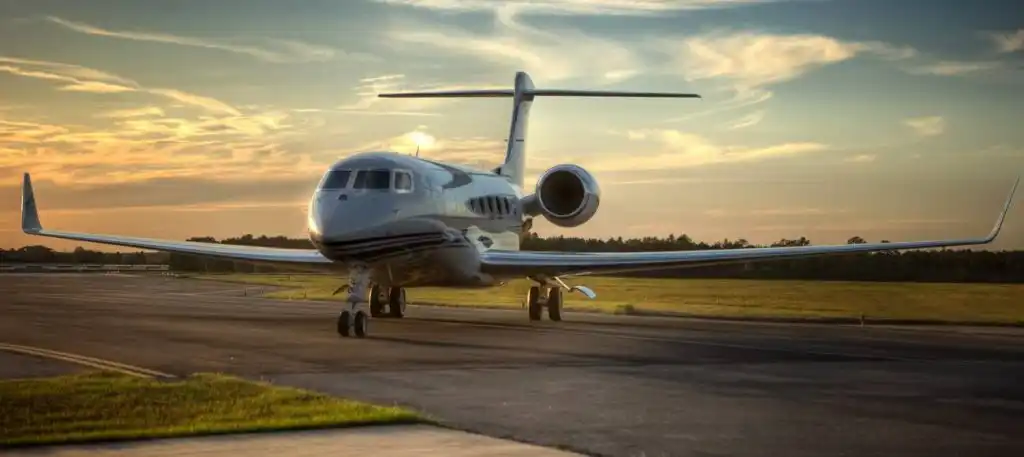
Flying privately between New York and California has become one of the most in-demand routes in the United States, especially for travelers who value discretion, comfort, and time above anything else. Demand surged in the aftermath of the pandemic, as travelers discovered just how liberating and efficient private aviation can be. The appeal lies in the quiet terminals, the elegant lounges, the direct ramp access, and the sheer luxury of an aircraft ready to depart whenever the passengers arrive. For coast-to-coast travel, the private jet experience eliminates hours of waiting, creates a seamless boarding process, and provides a customized journey that rivals even the most exclusive first-class cabins.
Private aviation, however, comes with a price tag that fluctuates dramatically depending on the aircraft type, time of year, availability, and operational needs. While the convenience is extraordinary, the cost structure is complex and often surprising to first-time clients. Understanding the components behind that final quote is essential for travelers deciding whether chartering, fractionally owning, or purchasing an aircraft is the better long-term option.
Key Airports for Coast-to-Coast Private Jet Flights
Private jets departing from the New York metropolitan area typically use Teterboro Airport (KTEB) in New Jersey. Just 12 miles from Manhattan, Teterboro is considered the primary business aviation gateway for the region. The airport is designed for efficiency, with multiple FBOs (fixed-base operators), expertly trained staff, discreet security, and a layout that prioritizes speed. Travelers can arrive as little as 30 minutes before departure, glide through the terminal, and board directly on the ramp.
On the West Coast, Van Nuys Airport (KVNY) in Los Angeles is the most popular arrival point. Located about 20 minutes from downtown Los Angeles, Van Nuys is one of the busiest private aviation airports in the world, accommodating more than 260,000 movements per year. Its reputation for operational excellence, privacy, and world-class services makes it the preferred airport for celebrities, executives, and seasoned private flyers.
Hourly Rates and What They Mean for a New York–California Charter
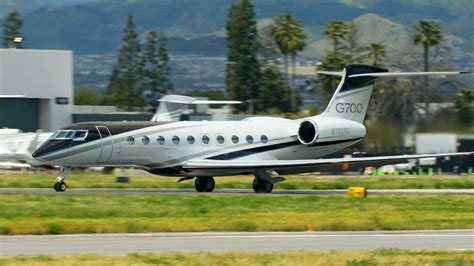
Every private jet flight price is heavily determined by the aircraft’s hourly rate. This number reflects not only the cost of fuel but also crew salaries, maintenance reserves, insurance, and the broader operational infrastructure required to keep the jet flight-ready at all times. Since the east-to-west journey takes approximately 5.5 to 6.5 hours depending on aircraft performance and weather, even small hourly differences can have a major impact on total cost.
A turboprop such as the Pilatus PC-12, while exceptionally efficient, is not typically used for a coast-to-coast mission due to range limitations and comfort considerations. Instead, travelers typically select midsize, super midsize, heavy, or ultra-long-range jets—categories designed to handle long distances with speed, luxury, and stability.
Typical hourly rates across categories include the following:
- Very Light Jets (VLJs): $1,500–$2,250 per hour
- Light Jets: $2,200–$3,000 per hour
- Midsize Jets: $2,800–$3,800 per hour
- Super Midsize Jets: $3,800–$5,000 per hour
- Heavy Jets: $5,000–$8,000 per hour
- Ultra-Long-Range Jets: $8,500–$14,000 per hour
These numbers can vary based on season, aircraft availability, maintenance cycles, and repositioning requirements. When holidays or peak events increase demand, the higher-end aircraft categories see especially sharp price increases.
Cost Examples for New York–California One-Way Flights
Charter quotes can vary widely based on the aircraft selected. Among the coast-to-coast-capable jets, the most requested models include the Cessna Citation X, Bombardier Challenger 300, Gulfstream G280, and Dassault Falcon 50, each offering generous cabin space and the range needed for nonstop flying.
A one-way New York to Los Angeles flight typically costs:
- Super Midsize Jet: $40,000–$55,000
- Heavy Jet: $50,000–$75,000
- Ultra-Long-Range Jet: $75,000–$90,000
A round trip completed the next day generally adds only a modest increase compared with a one-way flight, because the aircraft and crew remain with the client rather than repositioning. Multi-day stays, however, can significantly raise costs due to crew accommodation, per-diem expenses, and aircraft parking.
Why These Flights Cost So Much
The coast-to-coast journey is long enough to generate a substantial fuel bill, and the crew hours alone add considerable cost. Several variables affect the final charter price:
- Repositioning flights: If the aircraft is not already at Teterboro, operators charge for ferrying it there.
- Landing and handling fees: These vary by airport and time of day.
- Fuel surcharges: Fuel prices change frequently and influence quotes.
- Crew compensation: Salaries, rest requirements, and overnight stays all factor into pricing.
- Peak travel periods: Holidays and major events increase demand and reduce availability.
Each of these elements contributes to the overall cost, which is why charter prices can shift dramatically even from one week to the next.
Private Ownership: When the Aircraft Belongs to the Traveler
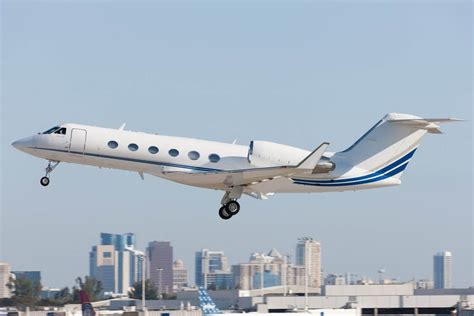
For frequent flyers who consistently travel long distances, private ownership is sometimes the most practical solution—though it is undeniably the most expensive. A classic example is the Gulfstream IV, a highly respected long-range aircraft that can be purchased on the pre-owned market for around $3.2 million for early-1990s models.
However, the aircraft purchase price is only the beginning. Annual ownership for 200–300 flight hours includes costs such as hangar fees, maintenance programs, insurance, crew salaries, and training. In many cases, owning a jet requires an annual budget exceeding $1.5 million.
If flown 200 hours per year, the cost per mile can be approximately $19.12, placing the operational expense for a New York–Los Angeles trip at more than $46,000 one way—not including depreciation or capital expense. For owners using the aircraft more frequently, the cost per hour drops, but maintenance and long-term overhauls remain major financial considerations.
Fractional Ownership and Jet Cards: Middle-Ground Solutions
Not every traveler needs a full aircraft. For many, fractional ownership offers a more balanced approach. In this structure, an aircraft is divided into shares—typically 16—allowing individuals to buy only the portion they need. One-sixteenth of the aircraft equates to around 50 flying hours per year, while larger shares provide more access.
Fractional ownership includes three costs:
- A one-time acquisition fee similar to purchasing property
- Monthly management fees covering maintenance and administration
- An hourly operating rate charged only during occupied flight time
Because these fees are fixed in advance, fractional owners enjoy price stability and guaranteed aircraft availability.
Jet cards serve a similar function but without ownership commitment. Travelers pre-purchase hours at a fixed rate and use them as needed. These programs provide predictability and ease, offering a dependable alternative to fluctuating charter prices.
The Appeal and Value of Empty-Leg Flights
One of the most cost-effective ways to fly privately is booking an empty-leg flight. This occurs when an aircraft must reposition without passengers—either returning to base after a drop-off or flying to pick up its next clients. Operators often sell these repositioning flights at extreme discounts, sometimes 50–90% off normal charter rates.
Recent availability on this route has shown prices such as:
- Cessna Citation X: approximately $30,900
- Bombardier Challenger 604: approximately $46,800
- Gulfstream IV: approximately $46,800
Empty legs are ideal for travelers with flexible schedules, though they rarely include return flights and may change or cancel depending on the primary client’s plans.
Why Travelers Choose Private Jets for Coast-to-Coast Flights
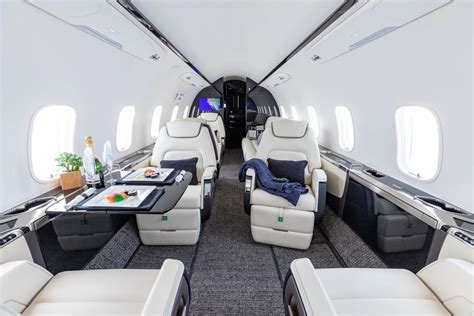
Beyond the luxury, the efficiency of private aviation fundamentally changes the speed and rhythm of travel. Clients skip crowded terminals, avoid long TSA lines, and enjoy tailored onboard experiences ranging from gourmet catering to fully reclining leather seats and quiet cabins designed for productivity or rest. Privacy is a major draw as well, especially for business executives who rely on uninterrupted time to prepare for meetings across time zones.
For New York–Los Angeles travelers, the ability to use Teterboro and Van Nuys—two airports designed specifically for private operations—creates an end-to-end experience that is fast, discreet, and comfortable.
Securing an Accurate Charter Quote
Obtaining a precise quote for a private jet flight requires clear details from the client. The essentials include:
- Date and time of departure
- Number of passengers
- Preferred aircraft type
- Special requirements such as catering, Wi-Fi, or celebrations
- Departure and arrival airports
Once this information is provided, brokers compare aircraft availability, market pricing, fuel costs, and operational conditions to deliver tailored quotes. Travelers benefit from seeking estimates from multiple brokers, especially during peak periods.
Choosing the Best Private Travel Option
Flying privately between New York and California presents a wide spectrum of choices. Chartering offers maximum flexibility without long-term commitments. Fractional ownership and jet cards provide dependable access with predictable pricing. Full ownership delivers the ultimate freedom but demands substantial financial investment and management.
For travelers who make this journey frequently, evaluating these options side by side is essential. The coast-to-coast route is one of the most iconic in private aviation, and with the right aircraft and operator, it can become a smooth, comfortable, and highly efficient part of regular travel. The key is understanding the cost structures, comparing quotes, and selecting the model that aligns most closely with each traveler’s lifestyle, schedule, and financial priorities.
The more thoroughly travelers understand their options, the more confidently they can navigate the world of private aviation and make the New York-to-California route not just a flight, but an experience shaped to their exact preferences.