Flying to Europe can be both thrilling and nerve-wracking, especially when navigating international routes, unfamiliar partners, and the intricate world of airline loyalty programs. As seasoned travelers know, every detail counts — from Medallion Qualification Dollars (MQDs) to aircraft configuration, and even arrival times. Here, we explore three critical questions many travelers have when planning European travel through Delta Air Lines and its partners, especially KLM. We offer deep insights based on both practical experience and frequent flyer wisdom.
Understanding MQDs: Do You Earn Them for All Partner Flights?
This is one of the most commonly misunderstood aspects of flying Delta internationally. Many assume that booking via Delta automatically means MQDs will be earned for all legs of the journey, even if partner airlines operate the flights. However, the reality is more nuanced.
When you book through Delta’s platform, and your itinerary includes partner airlines like KLM, you typically do earn MQDs — but not always. It’s essential to pay close attention to the fare class, ticketing carrier, and SkyTeam alliance conditions. For instance:
- Basic Economy fares often do not earn MQDs, even on Delta-operated flights.
- SkyTeam partners like KLM and Air France usually grant MQDs if the ticket is issued by Delta.
- When booking, always inspect the trip summary page on Delta.com. It explicitly shows your MQD eligibility.
It’s also worth noting that while Delta posts MQDs quickly, partner flight credits tend to be delayed by up to two weeks or more. Nonetheless, credits are still applied to the date of travel, not the date they appear on your statement.
Travelers should avoid registering the same ticket with multiple airline reward programs. For example, signing up with KLM’s Flying Blue program for the same trip may void your Delta MQD eligibility. This has led to numerous frustrations, where some passengers had to go through multiple customer service calls to retroactively credit their MQDs.
KLM vs. Delta: Choosing the Best Business Class Experience
When selecting between Delta-operated and KLM-operated flights, especially in business class, several factors come into play: seat configuration, soft product quality, upgrade opportunities, and transit airport efficiency.
KLM’s long-haul business class, such as on the Boeing 777-200, features a 2-2-2 layout, which means you’re likely to have a seatmate unless you’re in one of the few single options. This could be a dealbreaker for privacy-conscious flyers. Delta’s newer cabins, like on the A330 or A350, often feature Delta One Suites with 1-2-1 layouts, giving every seat direct aisle access and enhanced privacy.
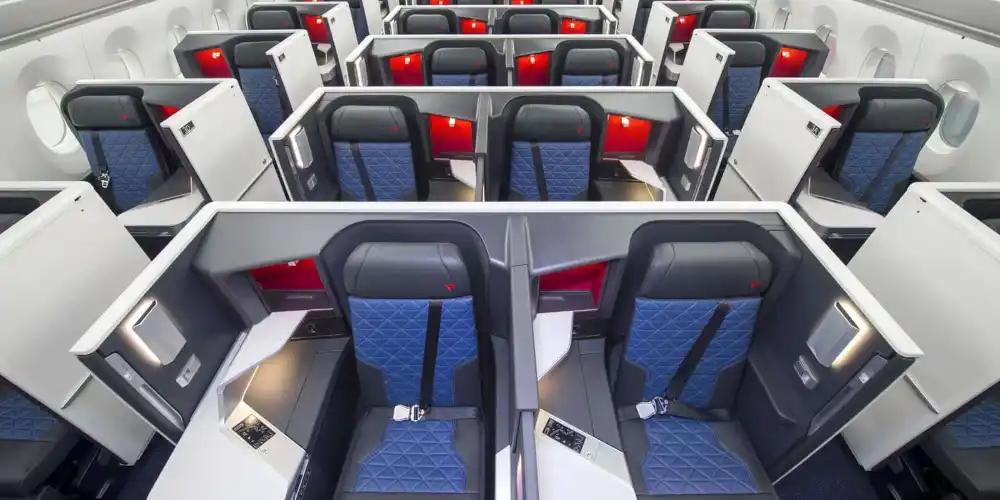
Yet, despite the less favorable configuration, many travelers still prefer KLM’s soft product — from their warm hospitality to charming details like the Delft Blue Dutch house souvenirs handed out in business class.
Seat map visibility is another challenge. Delta’s website often fails to show accurate seat maps for KLM flights. Even with the PNR (Passenger Name Record), accessing seat selection on KLM’s site can be hit or miss. A handy workaround is to use tools like ExpertFlyer, a subscription service that reveals real-time seat availability and aircraft layout, especially helpful for premium cabin flyers.
It’s also critical to recognize that upgrades, Medallion perks, and SkyMiles benefits often do not fully carry over to partner airlines. As such, booking a Delta-operated flight maximizes elite perks, especially for Medallion members.
Timing Is Everything: Best Departure Times for Europe
One of the final — and surprisingly influential — decisions in planning transatlantic travel is choosing the right departure time. Do you depart at 3–5 PM and arrive early morning, or fly out at 7–9 PM and land later in the day?
The consensus among experienced travelers — especially those flying business class — leans heavily toward the earlier evening departure with morning arrival in Europe.

This preference is shaped by several strategic advantages:
- Jet lag minimization: Arriving early gives your body a full day to adjust. If you sleep a few hours mid-flight, it simulates waking up in the morning at your destination.
- Greater rebooking flexibility: Morning arrivals give you a buffer in case of delays. If your flight is delayed or canceled, you still have most of the day to recover or rebook.
- Maximized day-one productivity: Especially for business travelers, landing early lets you either sightsee, meet clients, or settle in without losing a day.
European hubs like Amsterdam Schiphol (AMS) offer high-quality arrival services, including showers in business lounges, which help you freshen up before continuing your day.
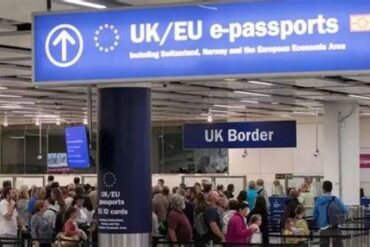
However, one must also consider the airport congestion factor. AMS, though efficient in many ways, can be chaotic at peak hours, with long passport queues and minimal signage. Still, the perks of landing early outweigh the downsides for most travelers.
Final Thoughts: Making the Smart Choice with Delta and SkyTeam
In summation, international travel through Delta and its SkyTeam partners offers flexibility and value — if managed wisely. To optimize your trip:
- Always book through Delta to ensure MQD accrual.
- Avoid fare types and airline program enrollments that might disqualify MQD earnings.
- For business class, assess your priorities: seat privacy (Delta) vs. service charm (KLM).
- Use tools like ExpertFlyer for more visibility into seat maps, especially when Delta’s system falls short.
- Choose earlier departure times for smoother adaptation and logistical resilience.
As one frequent flyer put it, the goal is to “start your day in Europe, not lose one.” That principle — paired with informed airline choices — can make the difference between an exhausting journey and a rejuvenating transatlantic experience.
With strategic planning and an eye for detail, flying to Europe with Delta becomes not just manageable — but exceptionally rewarding.