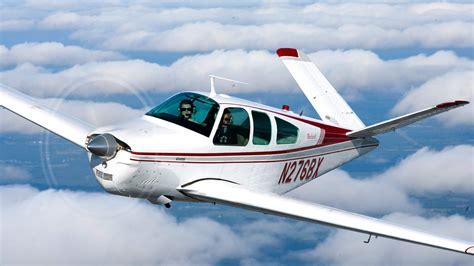
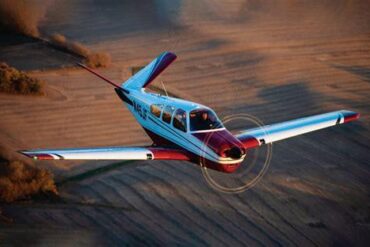
A V-Tail aircraft features two angled tail surfaces instead of the usual horizontal and vertical fins found on traditional planes. These two fixed surfaces serve as both horizontal and vertical stabilizers, each equipped with a movable flight control surface called a ruddervator. Ruddervators combine the functions of a rudder and an elevator. When the pilot pushes the control column forward or backward, the ruddervators move together like a conventional elevator. On the other hand, when the rudder pedals are pushed, the ruddervators tilt differently, mimicking the movement of a standard rudder. If the pilot adjusts both the rudder pedals and the control column at the same time, a special mixing mechanism ensures that each surface moves correctly. However, the complexity of this control system, along with the risk of Dutch roll and only slight drag reduction, has limited the popularity of V-Tail designs. Notable examples of aircraft that use this design include the FOUGA CM-175 Zephyr and the Beech BE35 Bonanza.