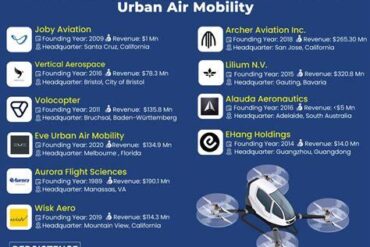
Electric Vertical Take-Off and Landing (eVTOL) aircraft represent one of the most significant advancements in the aviation industry, blending cutting-edge electric propulsion technology with vertical takeoff and landing capabilities. This revolutionary development promises to reshape urban transportation, offering a greener, quieter alternative to traditional air travel. In this article, we explore the key features, technology, applications, and future potential of eVTOL aircraft, which are set to redefine how we travel both within cities and across the globe.
Understanding eVTOLs: The Basics
An eVTOL is a type of aircraft that uses electric propulsion to perform vertical take-offs, landings, and hover. Unlike conventional fixed-wing aircraft, which require long runways, eVTOLs are designed to lift off and land vertically, allowing for greater flexibility in urban and suburban environments where space is limited. Powered by electric motors and advanced battery technology, eVTOLs offer a more sustainable solution to air mobility, reducing carbon emissions and noise pollution compared to traditional helicopters or jets.
The Technological Evolution of eVTOLs
The development of eVTOL aircraft traces back to early concepts proposed by NASA, with the introduction of their Puffin project in 2009. The Puffin concept, which gained attention after a viral video, was based on Distributed Electric Propulsion (DEP). This technology uses multiple small electric motors to distribute thrust, enhancing both safety and efficiency by reducing the likelihood of a complete power failure. The DEP concept laid the groundwork for modern eVTOL designs, providing the foundation for future innovations in flight technology.
In the years following NASA’s initial work, several major aerospace companies began to explore eVTOL designs. Airbus introduced its Vahana aircraft in 2017, which was capable of vertical flight and automated flight controls. Boeing’s Aurora PAV and Uber’s Elevate program also played pivotal roles in advancing the field, particularly in demonstrating the viability of Urban Air Mobility (UAM) and on-demand air taxi services.
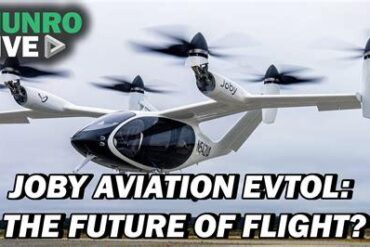
By 2020, Joby Aviation acquired Uber Elevate, solidifying its position as a leader in the eVTOL sector. The company’s acquisition included a suite of advanced software tools and a vision for revolutionizing urban transportation through electric air taxis. Today, several companies, such as Volocopter, Beta Technologies, and Archer Aviation, are developing eVTOLs for a variety of applications, from passenger transport to air cargo and emergency medical services.
Design Approaches: Diversity in Innovation
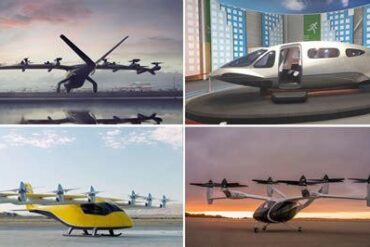
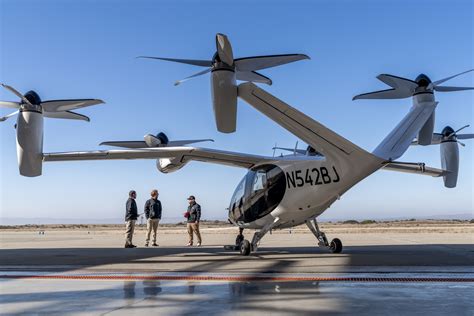
While all eVTOLs share the common goal of achieving vertical flight with electric propulsion, the designs of these aircraft vary greatly. Different approaches are taken to balance factors such as lift, range, and operational efficiency. Some of the most notable design configurations include:
- Multicopters: These designs rely on multiple rotors to provide lift and propulsion. Commonly used in smaller eVTOL prototypes like Volocopter 2X and Jetson One, multicopters are relatively simple but offer impressive vertical lift capabilities.
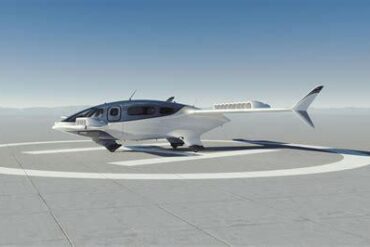
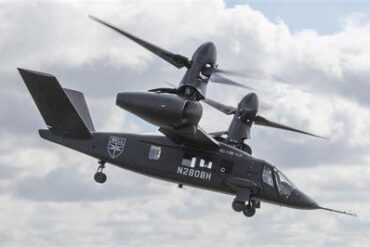
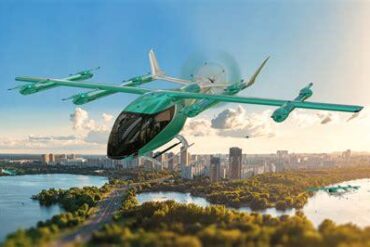
- Tilt-Rotor Aircraft: Examples such as Joby S4 and Lilium Jet use rotors that can tilt, allowing for both vertical takeoff and efficient horizontal flight. Tilt-rotor designs provide greater range and speed compared to multicopters, making them well-suited for urban air taxi services.
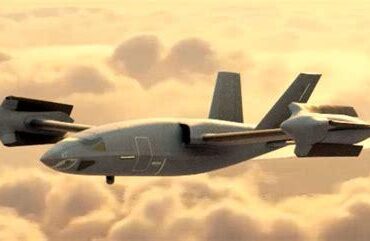
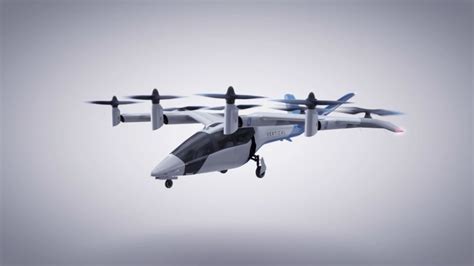
- Fixed-Wing Aircraft with Vertical Lift Systems: Some eVTOLs, such as Beta Technologies’ Alia and Vertical Aerospace’s VA-X4, use a combination of fixed wings and dedicated lift motors. These designs prioritize longer ranges and fuel efficiency, addressing one of the primary challenges of eVTOL technology—battery life.
- Hybrid Systems: Some companies are experimenting with hybrid designs, which combine electric propulsion for vertical flight with small combustion engines for cruising. This hybrid approach helps extend range, reducing reliance on batteries alone.
Each design has its strengths, with some focusing on high payload capacity, while others emphasize speed or energy efficiency. As development continues, the most effective designs will emerge based on specific operational needs.
Powering the Future: Battery and Hydrogen Fuel Cells
One of the key challenges in the development of eVTOLs is powering these aircraft efficiently. Most eVTOL designs rely on lithium-ion batteries, similar to those found in electric cars, though with significant advancements in energy density and charge cycles to handle the demands of aviation. However, batteries still face significant limitations in terms of energy density, meaning eVTOLs are often limited in range compared to traditional aircraft.
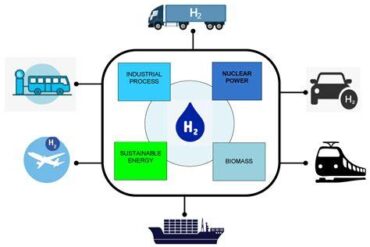
To address these limitations, some manufacturers are turning to hydrogen fuel cells as an alternative power source. Hydrogen fuel cells produce electricity through a chemical reaction between hydrogen and oxygen, emitting only water vapor as a byproduct. Though fuel cells are still in the early stages of development for eVTOL applications, they offer promising solutions to the range and efficiency challenges that battery-only designs face.
Hybrid designs, such as those being developed by Archer Aviation and Vertical Aerospace, combine the best of both technologies—batteries for vertical lift and hydrogen fuel cells for longer cruising ranges—potentially offering the optimal solution for future urban air mobility.
Applications of eVTOL Technology
eVTOLs are being designed for a variety of applications, each targeting different market needs. The most prominent use cases include:
- Urban Air Mobility (UAM): eVTOLs are ideally suited for short-distance air travel within cities, offering the potential for on-demand air taxis that could bypass ground traffic and reduce congestion. Companies like Joby Aviation and Volocopter are at the forefront of these initiatives, with prototype air taxis expected to be available in the coming years.
- Air Cargo: eVTOLs also show promise for the future of cargo transport, especially for delivering goods in urban areas. Companies like Sabrewing Aircraft and Elroy Air are developing heavy-lift unmanned aerial vehicles that can transport large payloads across cities or even between urban hubs.
- Emergency Medical Services (EMS): The ability of eVTOLs to reach remote or congested areas quickly makes them ideal for emergency medical applications. By providing rapid transportation for patients, organs, and medical supplies, eVTOLs can enhance the speed and efficiency of medical evacuations and deliveries.
- Recreational and Racing: On a lighter note, eVTOL technology has made its way into recreational aviation and racing, with companies like Opener creating personal eVTOLs for individual use and organizations like Airspeeder organizing electric flying car races.
As the technology matures, it’s expected that eVTOLs will also be used in military operations, offering rapid deployment and access in areas that are difficult to reach using traditional aircraft.
Challenges and Roadblocks for eVTOLs
Despite the promising potential of eVTOL technology, there are several challenges that need to be addressed before widespread adoption can occur. Key issues include:
- Battery Efficiency: The energy density of batteries remains a limiting factor for the range of eVTOLs. While advances are being made, the technology still lags behind the energy density of traditional aviation fuels.
- Regulatory Hurdles: Ensuring the safety and airworthiness of eVTOL aircraft is a top priority. Regulatory bodies like the FAA and EASA are developing specific guidelines and certifications for eVTOL aircraft, but the process is complex and time-consuming.
- Infrastructure: To accommodate the large-scale use of eVTOLs, cities will need to invest in takeoff and landing pads (also known as vertiports), along with air traffic management systems designed to safely integrate eVTOLs into existing airspace.
While these challenges are significant, the global momentum behind eVTOL development is undeniable. With continued investment, technological innovation, and regulatory support, eVTOLs could soon become a common sight in our skies.
The Future of eVTOLs
The future of eVTOLs looks incredibly promising. With significant investments pouring into the sector, a growing number of startups and established aerospace giants are racing to develop commercially viable eVTOLs. Urban air mobility, air taxis, and drone delivery services will likely become commonplace in the next decade. As the technology continues to mature, the dream of cleaner, quieter, and more efficient air travel will be realized, transforming transportation on a global scale.
Conclusion
In conclusion, eVTOLs represent the next frontier in aviation, offering a transformative solution to urban congestion, air pollution, and inefficiencies in traditional transportation systems. From air taxis to cargo transport and medical services, the applications of eVTOL technology are vast and varied. As we look to the future, eVTOLs are poised to revolutionize the way we think about travel, making our skies safer, cleaner, and more accessible than ever before.