Airbus has carved out a commanding presence in the global aviation industry, consistently proving itself as a reliable and innovative aircraft manufacturer. With a reputation for exceptional cabin comfort, fuel efficiency, and advanced safety systems, it’s no surprise that many of the world’s most prestigious airlines operate fleets dominated by Airbus aircraft. In this article, we explore in-depth which airlines use Airbus planes, why they choose Airbus over competitors, and how this decision impacts passengers.
The Strategic Appeal of Airbus Aircraft
Airbus aircraft are engineered with passenger experience and operational efficiency in mind. They feature wider cabins, lower cabin noise levels, and more fuel-efficient engines. For airlines, this translates to lower operating costs, reduced environmental impact, and higher customer satisfaction.
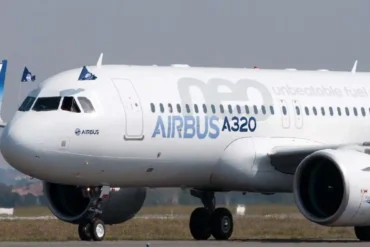
Models like the Airbus A320neo family and the Airbus A350 XWB have become staples for both short-haul and long-haul operations, thanks to their optimized fuel consumption and state-of-the-art aerodynamics. The Airbus A380, the world’s largest passenger airliner, remains a flagship choice for high-density international routes.
Prominent Global Airlines That Use Airbus
## European Airlines Flying Airbus
Europe, the home continent of Airbus, has naturally embraced the manufacturer’s lineup. Major carriers across the continent operate a wide range of Airbus models for both domestic and international routes.
British Airways, a leading UK airline, employs Airbus models like the A320 family for intra-European flights and A350-1000s for long-haul services. Germany’s Lufthansa integrates a diverse Airbus fleet including A319, A320, A321, A330, A340, and A350 models, strategically balancing short and long-haul capabilities.
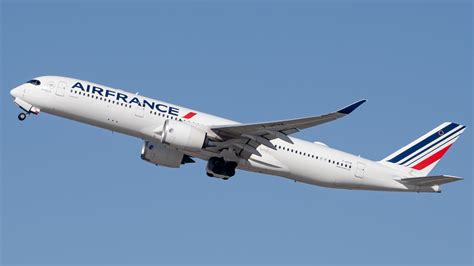
Air France maintains a particularly Airbus-heavy fleet, including the A318, A319, A320, A321, A330, and A350, making it one of the most Airbus-centric airlines in the world.
Other notable European carriers include:
- ITA Airways, Italy’s flag carrier, which operates A220s, A320s, A330s, and A350s.
- Iberia, the Spanish airline, focusing heavily on A320 family jets and A350s for intercontinental services.
- Turkish Airlines, with a growing Airbus presence that includes the A321neo, A330, and A350 models.
- Virgin Atlantic, favoring the A350-1000 for its transatlantic premium service.
## Airbus Aircraft in the Americas
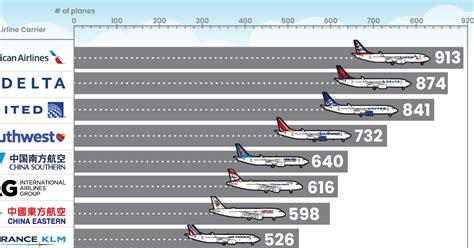
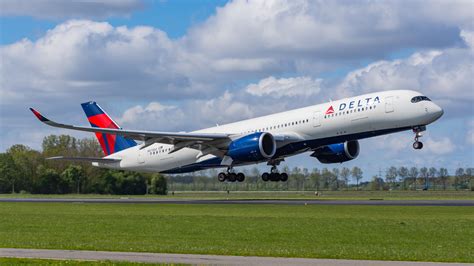
While Boeing holds a historically strong grip on the North American market, Airbus has gained significant traction. Delta Air Lines stands out as one of the largest Airbus operators in the United States, with a massive fleet of A220s, A320 family jets, A330s, and A350s.
American Airlines also boasts an expansive Airbus fleet, especially for its domestic and regional operations, thanks to its acquisition of US Airways, a traditionally Airbus-heavy airline.
United Airlines, which once leaned heavily toward Boeing, has significantly diversified by incorporating A319s and A320s into its domestic operations and A321XLRs in its future long-range narrow-body fleet strategy.
In Latin America and the Caribbean, carriers such as Azul Brazilian Airlines, Aerolíneas Argentinas, and Air Caraïbes utilize Airbus for both regional and international connectivity.
## Airbus Across Asia and Oceania
Asia is one of Airbus’ most vital markets, with demand fueled by large populations and rapidly growing middle-class segments. Airlines like Singapore Airlines, Qatar Airways, and Cathay Pacific have become synonymous with Airbus excellence.
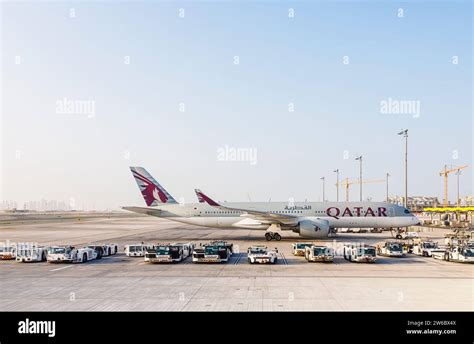
Singapore Airlines operates one of the largest fleets of Airbus A350-900s, offering superior long-haul service across Asia, Europe, and North America. Qatar Airways, known for luxury and innovation, uses A320s, A330s, A350s, and A380s to cover its extensive global network.
China Southern, China Eastern, and Air China—the three major Chinese carriers—are extensive users of Airbus, often integrating A320 family aircraft into their domestic services and A330/A350 jets for international operations.
In the Pacific, Qantas relies heavily on the A330 for medium-haul flights and has placed orders for the A350-1000 for its ultra-long-haul “Project Sunrise” initiative. Fiji Airways and Philippine Airlines also operate A330 and A350 aircraft to connect their island nations with the rest of the world.
Why Airlines Choose Airbus Over Competitors
Airlines consistently turn to Airbus for its cutting-edge engineering, cabin innovation, and environmental sustainability. The A320neo and A350 families, in particular, lead in fuel efficiency, reducing costs by up to 20% per flight compared to older generation aircraft.
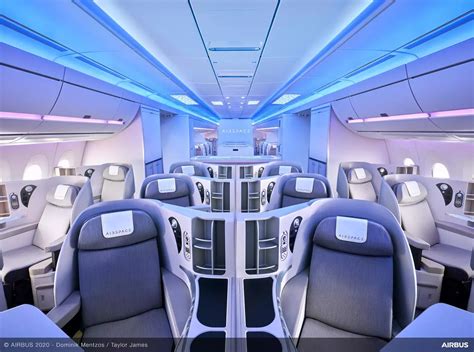
Additionally, passenger comfort is a significant driver. The Airbus cabin cross-section allows for wider seats and aisles, better overhead storage, and lower noise levels. The A350 XWB’s carbon fiber fuselage contributes to higher cabin pressure and humidity, reducing passenger fatigue on long-haul flights.
Safety is paramount. Airbus employs fly-by-wire systems, multiple redundancy layers, and state-of-the-art avionics to ensure flight stability and risk mitigation. This technical reliability plays a critical role in the decisions of full-service and low-cost carriers alike.
Airlines with Predominantly Airbus Fleets
While no airline exclusively flies Airbus aircraft, several lean heavily on them:
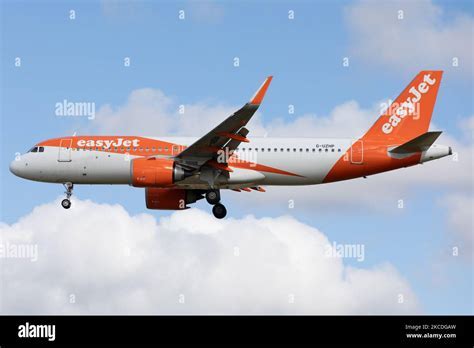
- EasyJet: With over 300 Airbus jets, mostly A319s, A320s, and A321neos, it is one of the largest all-Airbus fleets in the world.
- Air France: Operates mostly Airbus models, particularly across its medium-haul fleet.
- Vueling and Wizz Air: Low-cost carriers entirely based on the A320 family.
- Qatar Airways, Singapore Airlines, Cathay Pacific: Major A350 operators for long-haul international routes.
Passenger Benefits on Airbus Flights
Travelers on Airbus-operated flights can expect:
- Quieter cabins and less turbulence, especially on the A350 and A380, due to advanced aerodynamic designs.
- More personal space, thanks to thoughtful seat configurations and cabin design.
- Modern in-flight entertainment (IFE) systems, especially on long-haul A330, A350, and A380 aircraft.
- Improved cabin air quality and lighting, enhancing comfort during long flights.
These innovations are not just gimmicks—they significantly improve the passenger experience and align with modern expectations of air travel.
Airbus: A Trusted Name in Global Aviation
From narrow-body workhorses like the A320neo to double-deck giants like the A380, Airbus continues to shape the airline industry with aircraft that prioritize efficiency, innovation, and passenger satisfaction. For airlines, this translates into reduced fuel burn, longer range, and enhanced reliability—essential factors in a competitive global market.
Passengers looking for a smoother, quieter, and more spacious journey can often find it aboard an Airbus. With a global footprint stretching across continents and deep integration into major airline fleets, Airbus remains a vital pillar in the world of commercial aviation.