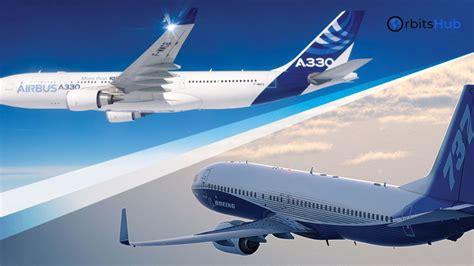
The global aviation industry operates on razor-thin margins, where even marginal gains in efficiency can translate into millions of dollars in savings. Within this high-stakes environment, airlines are constantly refining their fleet strategies, and one of the most striking patterns is their tendency to gravitate toward either Airbus or Boeing. While at first glance this might appear to be a simple brand preference, the reality is far more intricate. Behind every fleet decision lies a calculated blend of economics, engineering philosophy, operational practicality, and long-term strategic alignment.
Airlines are not merely purchasing aircraft—they are investing in ecosystems. Every jet introduced into a fleet affects pilot training pipelines, maintenance protocols, spare parts logistics, and even corporate culture. Over time, these interconnected elements create powerful incentives for airlines to remain loyal to one manufacturer. The result is a landscape where, despite the availability of competitive alternatives, many carriers double down on a single supplier.
This preference is not accidental. It is the outcome of deliberate, data-driven decisions that balance cost efficiency, operational flexibility, and long-term scalability. Understanding why airlines choose either Airbus or Boeing requires unpacking the key forces shaping these decisions.
Fleet Commonality: The Hidden Engine of Cost Efficiency
One of the most decisive factors in airline fleet planning is fleet commonality, a concept that extends far beyond simple uniformity. At its core, fleet commonality refers to the degree to which aircraft within a fleet share similar systems, components, and operational procedures. The higher the commonality, the lower the complexity—and in aviation, complexity is expensive.
When an airline commits to a single manufacturer, it can streamline maintenance operations dramatically. Engineers and technicians become highly specialized in a narrower range of systems, reducing both training requirements and the likelihood of errors. Spare parts inventories shrink because components can often be shared across multiple aircraft types within the same family. This consolidation reduces storage costs and minimizes delays caused by parts shortages.
Operational flexibility also improves. Aircraft can be swapped between routes with minimal disruption, a critical advantage during irregular operations such as weather delays or unexpected maintenance issues. Instead of scrambling to match specific aircraft to specific routes, airlines gain the ability to adapt quickly and efficiently.
Financially, the benefits compound over time. Bulk orders from a single manufacturer often come with significant discounts, favorable financing terms, and long-term service agreements. These savings are not one-time perks—they create a cost structure advantage that persists throughout the lifecycle of the fleet.
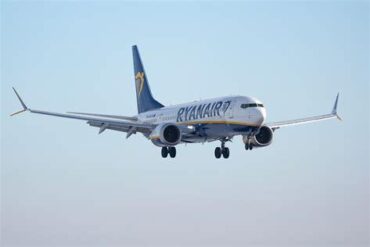
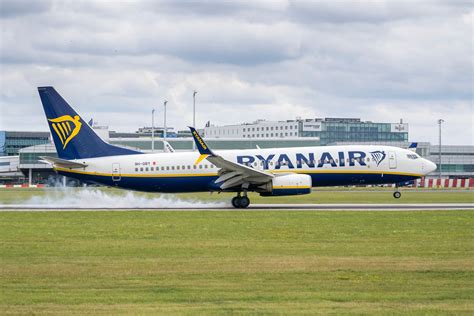
Low-cost carriers exemplify this strategy. Airlines like Ryanair have built entire business models around operating a single aircraft type—the Boeing 737. This level of standardization allows them to minimize overhead and maximize utilization, creating a competitive edge that is difficult to replicate with a mixed fleet.
Pilot Training and Type Ratings: Flexibility vs Specialization
Aircraft are only as effective as the crews who operate them, and pilot training represents one of the most substantial recurring costs for any airline. Each aircraft type requires a specific type rating, and the degree of similarity between aircraft determines how easily pilots can transition between them.
Airbus has made cockpit commonality a cornerstone of its design philosophy. Across its aircraft families, there is a remarkable level of consistency in layout, controls, and system logic. This means that a pilot trained on one Airbus model can often transition to another with relatively minimal additional training. The result is a highly flexible pilot workforce that can be scheduled across multiple aircraft types with ease.
This flexibility translates directly into cost savings. Airlines can reduce training expenses, simplify crew scheduling, and respond more effectively to operational disruptions. In a dynamic environment where flight schedules can change rapidly, having interchangeable pilots is a powerful advantage.
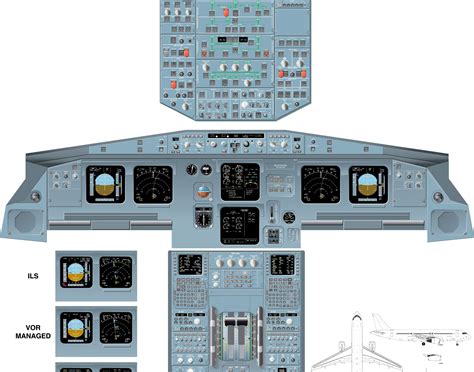
Boeing, while offering commonality within specific families, has traditionally maintained more distinct differences between aircraft models. Transitioning from one Boeing type to another may require more extensive training, increasing costs and reducing flexibility. However, this approach is not without its merits. Some airlines value the aircraft-specific expertise that comes from more specialized training, particularly for complex or long-haul operations.
The choice between Airbus and Boeing in this context often reflects an airline’s operational priorities. Carriers focused on efficiency and flexibility tend to favor Airbus, while those emphasizing precision and specialization may lean toward Boeing.
Contrasting Design Philosophies: Automation vs Pilot Authority
At the heart of the Airbus-Boeing divide lies a fundamental difference in design philosophy, particularly in how pilots interact with their aircraft. This distinction shapes not only the flying experience but also the broader operational culture of an airline.
Airbus aircraft are built around fly-by-wire technology, where pilot inputs are interpreted by computers that then control the aircraft’s movements. These systems include built-in protections that prevent the aircraft from exceeding certain limits, such as excessive pitch angles or bank rates. The result is a highly standardized and predictable flying experience, where automation plays a central role in maintaining safety and consistency.
This approach appeals to airlines that prioritize procedural discipline and uniformity. By reducing the potential for extreme pilot inputs, Airbus systems help ensure that aircraft behave consistently across different crews and operating conditions.
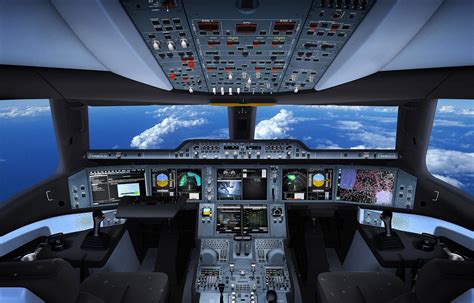
Boeing, on the other hand, has historically emphasized pilot authority. While modern Boeing aircraft incorporate advanced automation, they generally allow pilots to override automated systems more directly. This philosophy reflects a belief that human judgment should remain central, particularly in unusual or unexpected situations.
For some airlines, this approach aligns more closely with their training philosophy and operational mindset. Pilots retain a greater sense of control, and the aircraft responds more directly to manual inputs. This can be especially appealing in environments where adaptability and pilot discretion are highly valued.
Ultimately, the choice between these philosophies is not about right or wrong—it is about alignment. Airlines tend to select the manufacturer whose approach best matches their internal culture and operational priorities.
Strategic Partnerships and Manufacturer Relationships
Fleet decisions are rarely isolated transactions. They are embedded within long-term relationships between airlines and manufacturers, relationships that often span decades and involve far more than the purchase of aircraft.
Airbus and Boeing compete aggressively for airline business, offering incentives that go well beyond pricing. These can include favorable financing arrangements, maintenance support packages, training programs, and priority access to new aircraft deliveries. For airlines operating in a capital-intensive industry, these incentives can significantly influence decision-making.
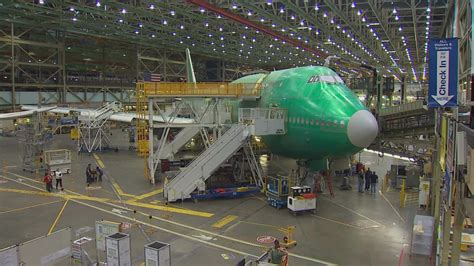
Over time, these relationships create a form of strategic alignment. An airline that has invested heavily in Airbus aircraft, for example, will have built up extensive infrastructure—training centers, maintenance facilities, and supply chains—tailored to Airbus systems. Switching to Boeing would require not only purchasing new aircraft but also overhauling this entire ecosystem.
This creates a powerful form of inertia. Even if a competing aircraft offers marginal advantages, the cost and disruption associated with switching manufacturers can outweigh the benefits. As a result, airlines often continue ordering from the same manufacturer, reinforcing their existing fleet structure.
Regional and political factors can also play a role. Airlines may align with manufacturers based on geographic proximity, trade relationships, or government influence. While these factors are typically secondary to operational considerations, they can still shape long-term trends.
Operational Fit: Matching Aircraft to Route Networks
Despite the importance of cost and strategy, aircraft must ultimately perform the missions they are designed for. Every airline operates a unique network of routes, and fleet decisions must align with these operational realities.
Short-haul carriers typically prioritize narrowbody aircraft that can operate frequent flights with quick turnaround times. In this segment, both Airbus and Boeing offer competitive options—the A320 family and the 737 series—but subtle differences in performance, efficiency, and cabin configuration can influence the final choice.
For long-haul operations, widebody aircraft become the focus. Airlines evaluate factors such as fuel efficiency, range, payload capacity, and passenger comfort. Even small improvements in fuel burn can translate into substantial savings over long distances and high flight volumes.
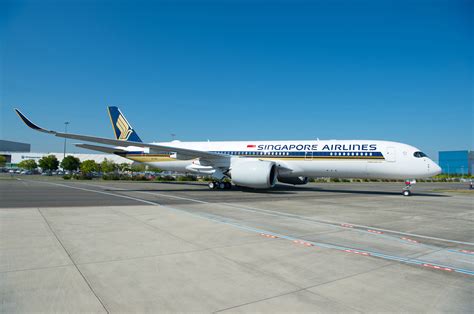
Some aircraft are tailored to specific mission profiles. The Airbus A350-900ULR, for instance, is designed for ultra-long-haul routes with moderate demand, enabling nonstop flights that were previously impractical. Conversely, aircraft like the Boeing 777X are optimized for high-capacity routes, where maximizing passenger volume is the priority.
These operational considerations often drive the initial selection of aircraft. Once an airline commits to a particular model, it becomes more practical to expand within the same manufacturer’s lineup, further reinforcing fleet commonality.
The Compounding Effect of Standardization
As airlines continue to invest in a single manufacturer, the benefits of standardization begin to compound. Training programs become more efficient, maintenance operations more streamlined, and supply chains more predictable. Each additional aircraft strengthens the existing system, making it increasingly advantageous to stay within the same ecosystem.
This compounding effect explains why airlines rarely switch manufacturers without a compelling reason. The barriers are not just financial—they are operational, cultural, and logistical. Transitioning to a different manufacturer would require retraining staff, reconfiguring maintenance facilities, and restructuring supply chains, all while maintaining ongoing operations.
In an industry where disruptions can be costly and reputationally damaging, stability is a valuable asset. Standardization provides that stability, allowing airlines to focus on optimizing their operations rather than managing complexity.
A Strategic Choice Shaped by Interconnected Factors
The tendency for airlines to choose either Airbus or Boeing is not the result of a single decisive factor but rather a complex interplay of interconnected considerations. Fleet commonality drives cost efficiency and operational simplicity. Pilot training requirements shape workforce flexibility. Design philosophies influence safety approaches and corporate culture. Strategic partnerships create long-term alignment, while operational needs ensure that aircraft meet the demands of specific routes.
What emerges is a self-reinforcing system. Once an airline begins to lean toward one manufacturer, each subsequent decision strengthens that preference. Over time, this leads to a level of standardization that is both economically advantageous and operationally efficient.
There is no universal answer to which manufacturer is superior. Airbus and Boeing each offer distinct strengths that appeal to different priorities. The real question is not which is better, but which is better suited to a particular airline’s strategy.
In a world where efficiency defines success, the choice between Airbus and Boeing is less about competition and more about coherence. Airlines that align their fleets with their operational models, training systems, and long-term goals are the ones that thrive—regardless of the logo on the tail.