Flying across the Pacific has always been a complex, expensive undertaking—but in the post-pandemic world, prices for flights to China and Japan remain stubbornly high. While fares to destinations like Europe or Latin America have normalized—or even dropped below pre-pandemic levels—Asia-bound travel continues to be an outlier. This deep-dive examines the root causes behind elevated airfare, why recovery has been slower for Asian routes, and what travelers can expect moving forward.
The Lingering Impact of Pandemic-Era Flight Reductions
In early 2020, the aviation industry came to a near standstill as COVID-19 spread globally. Though flight schedules have largely bounced back in many regions, Asia’s aviation recovery has been particularly slow. According to data from Cirium, flight volume between the United States and Asia is still down by 18% compared to 2019 levels.
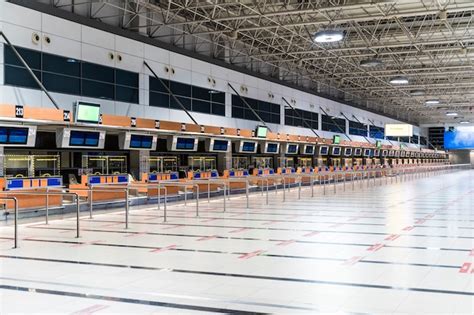
The reason for this lag is multi-faceted:
- Many Asian countries, especially China, were among the last to reopen their borders.
- Airlines were cautious in resuming routes due to uncertain demand and regulatory hurdles.
- Logistical challenges like crew shortages, aircraft storage, and route realignments hampered speedier recovery.
This significant drop in capacity directly impacts airfare. Fewer available seats translates into less competition, which in turn leads to higher prices.
China: A Market Missing in Action
The most drastic drop in flight volume is with China, where transpacific flights are down by a staggering 73% compared to 2019. Before the pandemic, Chinese airlines were a dominant force in the market, offering daily budget fares—some even below $400 roundtrip.
These low-cost options didn’t just help travelers flying on Chinese carriers; they created downward pricing pressure across the entire market. Competitors like Delta, Japan Airlines, and United had to adjust their prices to stay competitive. With Chinese carriers still operating at reduced levels, that competitive pressure is no longer present.
Moreover, geopolitical tensions, complicated air traffic rights, and visa restrictions continue to slow the return of flights to and from China. The absence of Chinese tourists and business travelers in global air traffic has a knock-on effect, limiting airlines’ incentives to restore full service.
The Budget Airline Gap Across the Pacific
Another critical factor is the lack of low-cost carriers (LCCs) operating long-haul routes between the U.S. and Asia. While transatlantic routes have become significantly cheaper thanks to budget airlines like Norse Atlantic and PLAY, Asia lacks a similar infrastructure.
Currently, only a few budget carriers such as Zipair (Japan) and Air Premia (South Korea) offer transpacific routes at competitive prices. Their limited route networks and low market penetration mean they cannot exert the same pricing pressure as their European counterparts.
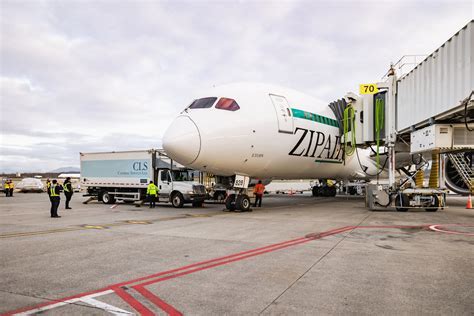
Until more low-cost airlines emerge or expand in the Asian long-haul market, traditional carriers will continue to dominate—keeping fares higher.
What’s “Cheap” Isn’t What It Used to Be
Before the pandemic, savvy travelers could routinely score roundtrip tickets from Los Angeles (LAX) to Tokyo for $450 or less. That benchmark has now shifted. In 2025, a “cheap” fare for that same route is closer to $550–$600.
This shift doesn’t only reflect inflation or rising fuel prices—though those are important. It’s about market redefinition. What was once considered a deal is now a mid-range price. Some recent deals still stand out:
- LA to Tokyo – $425 roundtrip
- NYC to Mumbai – $572 roundtrip
- Las Vegas to Hong Kong – $563 roundtrip
- San Francisco to Seoul – $640 roundtrip
These fares are impressive by today’s standards, but they also underscore how much the market has changed in just a few years.
The Data Behind Price Trends
Between July 2019 and July 2022, airfares to Asia nearly doubled. This spike was primarily due to border closures and capacity limits. However, since then, prices have begun a gradual descent.
From March 2023 to February 2025, fares dropped on a year-over-year basis for 23 out of 24 months. This trend is encouraging for travelers hoping for a return to affordability.
But recovery isn’t linear. Prices still exhibit seasonal peaks—particularly in summer and December, when demand is at its highest. Yet the peak highs are now lower, and the trough lows are lower too, indicating a softening trend.
Rising Costs and Operating Challenges
Airlines aren’t just dealing with reduced capacity—they’re also battling higher operational expenses. Several key drivers include:
- Jet fuel prices have risen significantly.
- Labor shortages in pilot and ground crew roles have pushed up wages.
- Aircraft maintenance and leasing costs are at a historic high.
- Airport and route access fees—especially in Asia—have increased.
These factors collectively increase the base cost of operating flights, which gets passed on to consumers.
Seasonal Pricing and When to Fly
Understanding the cyclical nature of airfare can help mitigate costs. Historically, the cheapest months to fly to Asia have been:
- Late winter (January to February)
- Early fall (September to November)
These windows fall between major travel periods and often offer the best chance to snag discounted fares.
Conversely, summer travel and end-of-year holidays bring peak pricing. Families traveling over school breaks and increased demand from business travel create a perfect storm for airfare hikes.
Signals for 2025 and Beyond
Airfare trends suggest we are on the cusp of broader affordability. Flight volume from the U.S. to Asia is steadily increasing year-over-year:
- 2022: Down 69% vs. 2019
- 2023: Down 40%
- 2024: Down 22%
- 2025: Down 18%
Even more promising is that for the period between April and December 2025, flight capacity is only down by 8% compared to the same period in 2019.
This signals that airlines are returning to pre-pandemic levels, albeit cautiously. As capacity continues to rebound, competition will increase, pushing fares downward. More routes, more airlines, and better pricing strategies will benefit travelers.
Final Thoughts: When Will Prices Normalize?
Despite the current high fares, the outlook is optimistic. The slow but steady return of transpacific capacity is a leading indicator of falling prices. The key lies in restoring competition—both from traditional full-service carriers and budget airlines.
Until then, travelers looking for good deals should:
- Book early—especially for peak seasons.
- Stay flexible with dates and departure airports.
- Use fare alert tools and monitor flash sales.
In time, the dream of budget-friendly flights to Tokyo, Beijing, and Shanghai may once again become a reality—but it’s a game of patience and planning.