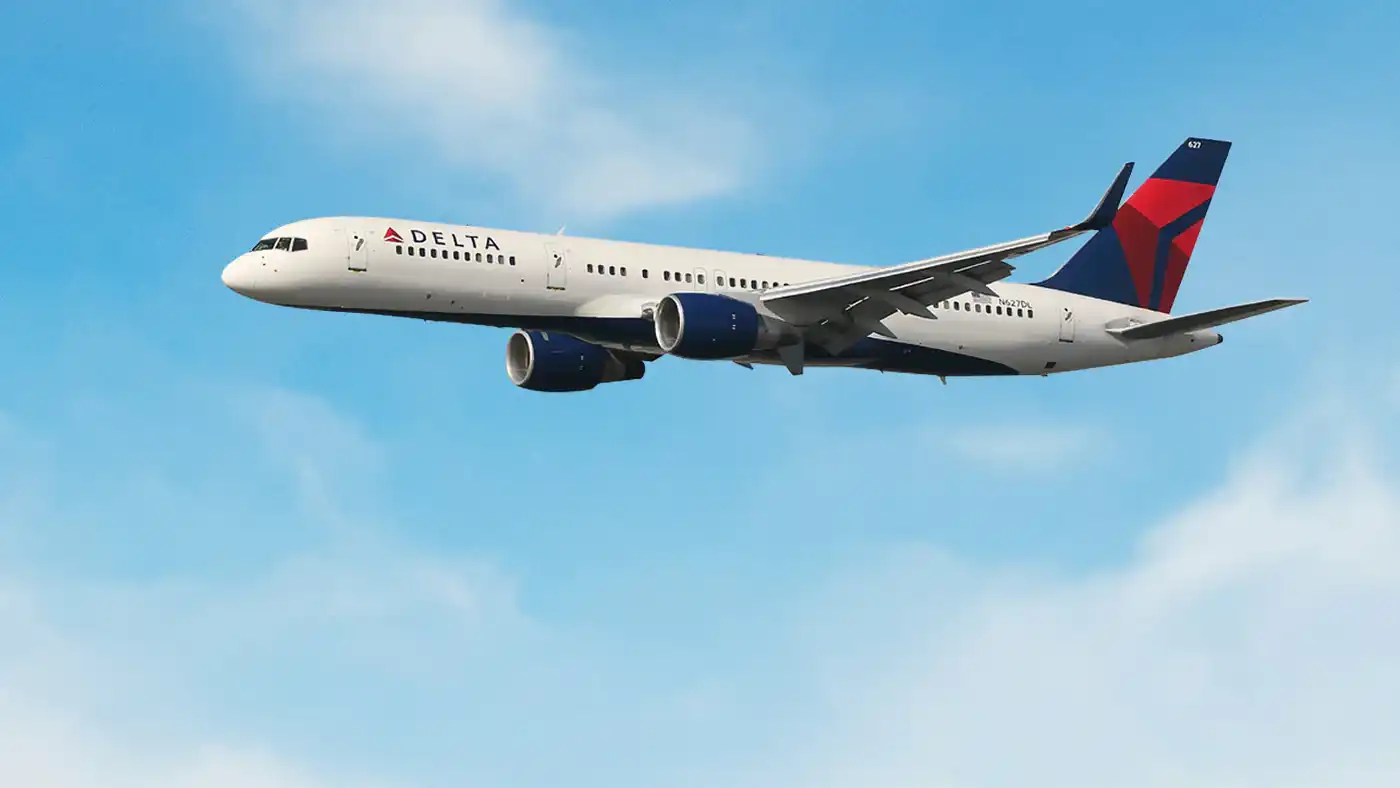
The Boeing 757 stands as a rare icon in modern aviation history—a narrowbody aircraft with the performance pedigree of a widebody. As production ceased over two decades ago, its longevity and versatility are best exemplified by two U.S. giants: Delta Air Lines and United Airlines. Both carriers continue to fly the aircraft, but beneath the surface lies a tale of diverging philosophies, strategic deployment, and fleet management that highlights just how differently one aircraft can be utilized.
Divergent Origins: How Delta and United Built Their Fleets
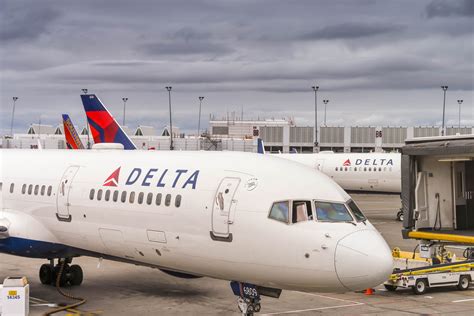
The 757 fleets of Delta and United trace back to distinctly different legacies. Delta Air Lines, renowned for its merger-driven expansion, inherited a substantial portion of its 757s through its 2008 acquisition of Northwest Airlines. Northwest had cultivated a strong 757 program, including several long-haul capable models. Delta later supplemented this fleet by purchasing second-hand 757s from American Airlines and a range of global operators, ultimately assembling a diverse and heavily pre-owned collection.
In contrast, United Airlines was an early adopter of the 757, incorporating the aircraft into its fleet in the 1980s as a natural successor to older narrowbodies. This foundation was later strengthened by the airline’s 2010 merger with Continental Airlines, a carrier known for using the 757 in pioneering ways, particularly on long-haul, thin routes from Newark to underserved European destinations.
By blending legacy United aircraft with Continental’s strategic playbook, the airline developed a 757 fleet characterized by flexibility, standardization, and international potential. While Delta chased variety, United sought cohesion.
How Routes Define the 757’s Identity at Each Airline
From their initial deliveries in the early 1980s, the two airlines carved out distinct roles for their 757s. Delta deployed its aircraft predominantly on high-density domestic routes—hub-to-hub flights and connections to vacation destinations across the Southeast. The type’s fuel efficiency and range made it a logical replacement for the Boeing 727.
Over time, Delta expanded the aircraft’s responsibilities. In the 1990s, it became a mainstay on longer U.S. coast-to-coast routes and, eventually, short transatlantic hops—primarily after acquiring Northwest’s international-capable 757s. Today, Delta uses just two 757 routes across the Atlantic, both flying to Iceland from Detroit (DTW) and Minneapolis (MSP), signifying a tactical retreat from earlier long-haul deployments.
United, meanwhile, embraced the 757’s versatility from the outset. Its early strategy mirrored Delta’s in covering domestic demand, but the Continental merger introduced a bold vision: use the 757’s transatlantic muscle to connect smaller European cities with Newark. This concept still defines the type’s legacy at United.
The 757 remains a transatlantic workhorse for United, albeit on a reduced scale. It also continues to operate in premium domestic markets and select Latin American destinations, where range and premium seating are vital.
Cabin Experience: A Study in Passenger Philosophy
Delta’s 757-200s number 94, split across multiple configurations. Some focus on domestic routes with First Class, Delta Comfort+, and Main Cabin seating. Others, tailored for long-haul and premium U.S. services, are outfitted with Delta One lie-flat seats. Delta’s 16 Boeing 757-300s follow a single configuration with 24 First Class, 32 Delta Comfort+, and 178 Main Cabin seats.
Delta has chosen to invest heavily in cabin refurbishments. Over the years, seats have been refreshed, ambient lighting modernized, and in-flight entertainment systems upgraded across the fleet. Onboard Wi-Fi is standard, though age sometimes shows through despite the modern touches. The carrier’s focus has clearly been on extracting long-term value through incremental improvements rather than mass replacements.
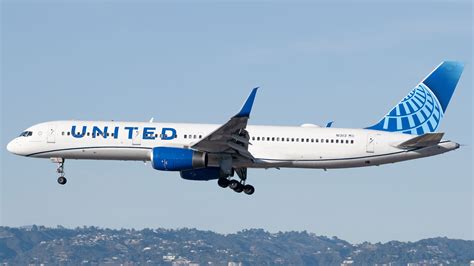
United Airlines has taken a different tack. All of its 757-200s share a unified configuration, built around the airline’s Polaris brand. With 16 Polaris lie-flat business seats, 42 Economy Plus, and 118 in standard Economy, United aims to deliver a premium international experience within a narrowbody shell.
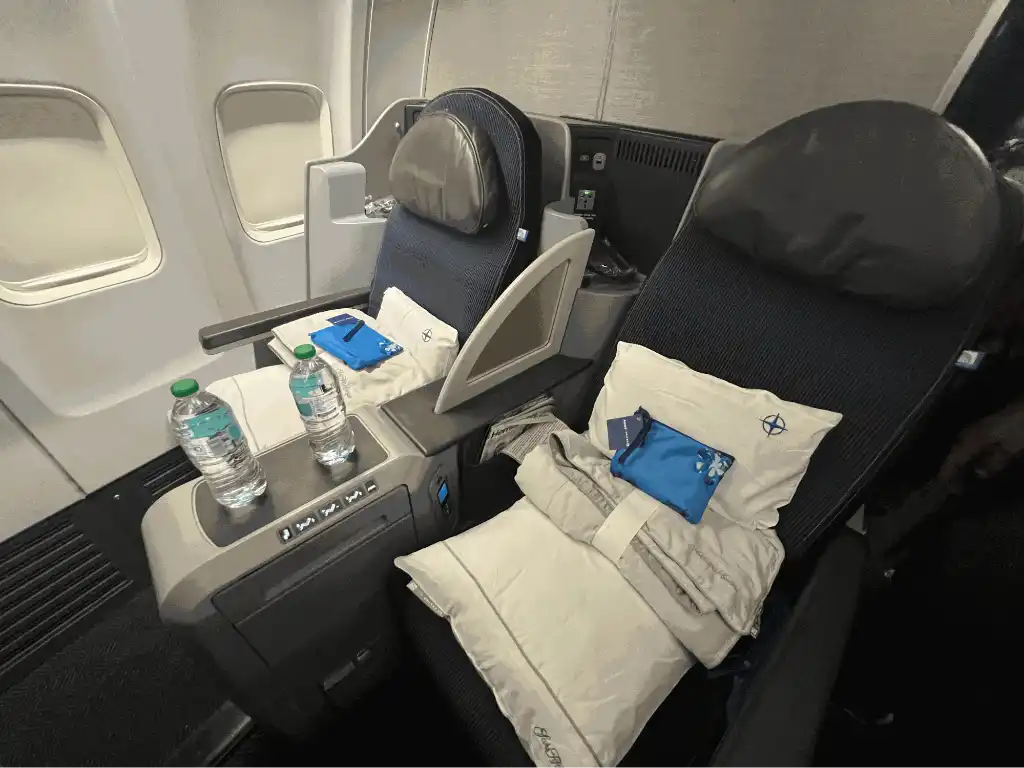
The carrier has aligned its 757 cabins with its widebody branding strategy. This includes larger overhead bins, reworked galleys, and polished entertainment systems. While the space remains narrower than a true widebody, the sense of product consistency across aircraft types makes the 757 experience familiar to regular United fliers.
Performance: The Aircraft That Refused to Age
At the core of both airlines’ continued reliance on the 757 is the aircraft’s remarkable performance envelope. The twinjet boasts the ability to operate from short runways, withstand extreme temperatures and altitudes, and still fly long sectors with full loads.
Delta has made this performance even more durable by implementing advanced engine refurbishment programs and investing in maintenance across the airframe. Its in-house engineering capabilities at Delta TechOps have enabled the airline to keep the 757 efficient and safe well into its third decade of service. The model’s versatility remains central to Delta’s ability to serve airports with infrastructure limitations or marginal economics.
United, while not as aggressive in refurbishing individual airframes, has focused on systems standardization and avionics modernization. Its goal is ensuring compliance with new global navigation requirements, improving dispatch reliability, and maintaining fleet commonality across its international services. The aircraft’s high-thrust engines continue to allow for longer legs from demanding airports, especially along the U.S. East Coast.
Strategic Futures: Keeping vs. Replacing the Workhorse
The 757’s days may be numbered, but the clock ticks at different speeds for Delta and United. At Delta, the aircraft is a cornerstone of a broader strategy built around asset longevity. The airline’s approach emphasizes cost avoidance, rather than upfront spending, allowing it to generate continued value from aircraft others would retire.
In Delta’s view, no current narrowbody fully replaces the 757. Aircraft like the Airbus A321LR and XLR offer better fuel burn and range but lack the 757’s short-field and hot-and-high capabilities. As such, Delta’s 757s are expected to remain active into the early-to-mid 2030s, buoyed by continuous upgrades and operational precision.
United’s strategy, however, is one of transition. The airline is clearly moving toward fleet simplification, placing massive orders for the Airbus A321neo family and Boeing 737 MAX variants. While the 757 continues to fly key routes today, United acknowledges its limitations and cost burdens more openly.
That said, the 757 still fills a unique niche in United’s network. Until newer aircraft can fully take over transatlantic and premium niche markets, the 757 remains an indispensable tool—even if only temporarily.
The Final Chapter: Delta and United’s Last Stand for the 757
As of December 2025, the operational data speaks volumes:
- Delta Air Lines: 94 Boeing 757-200s and 16 Boeing 757-300s, totaling 110 aircraft—the world’s largest 757 operator.
- United Airlines: 40 Boeing 757-200s and 21 Boeing 757-300s, for a total of 61 aircraft.
Together, they represent the last major U.S. airlines flying the Boeing 757 at scale, alongside Icelandair’s small fleet. The legacy these airlines have built around the 757 is a testament to the aircraft’s original design brilliance and their divergent yet successful strategies.
Where Delta sees endurance and pragmatism, United sees evolution and optimization. But in both cases, the Boeing 757 remains more than just a relic—it is an active, profitable player in a highly competitive market.
Their continued presence in the fleets of Delta and United ensures that, for now, this aircraft’s distinctive hum, elevated stance, and powerful climb will still be seen and heard around the world’s airports.