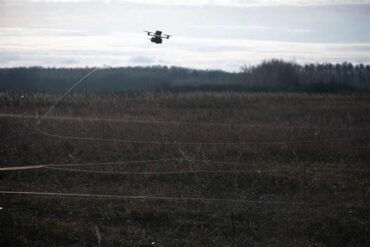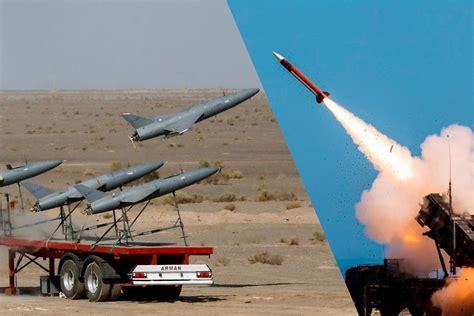
Iran has rapidly emerged as a critical force in the evolution of drone warfare, transforming its unmanned aerial vehicle (UAV) program from rudimentary reconnaissance tools in the 1980s into a sophisticated, multi-faceted arsenal that challenges the dominance of Western military technology. The strategic implications of Iran’s drone advancements extend far beyond the Middle East, reshaping the landscape of asymmetric conflict and low-cost warfare in theaters as diverse as Ukraine, Yemen, and the Persian Gulf.
The Origins of Iran’s Drone Ambitions
Iran’s interest in drone technology was born out of necessity during the Iran-Iraq War in the 1980s. Facing an international arms embargo and lacking access to modern reconnaissance aircraft, Iran began using modified commercial drones for battlefield surveillance. These early systems were limited in capability but signaled the beginning of a national commitment to indigenous aerial innovation.
The collapse of the Shah’s westernized military-industrial complex forced Iran to seek self-reliant solutions, and drones provided a path to strategic reach without risking pilot lives or exposing vulnerabilities to superior air forces.
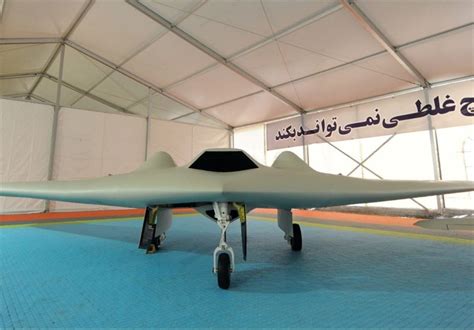
By the 2000s, the Islamic Revolutionary Guard Corps (IRGC) had made drones a cornerstone of its asymmetric warfare doctrine, blending reverse-engineering with homegrown ingenuity. The capture of advanced U.S. drones, most notably the RQ-170 Sentinel in 2011 and the MQ-9 Reaper, further catalyzed the program.
From Surveillance to Strike: Evolution of Iran’s Drone Arsenal
Today, Iran’s drone fleet spans a wide spectrum—from tactical ISR (intelligence, surveillance, reconnaissance) platforms to long-range strike drones and kamikaze UAVs. The country’s drone inventory is not only vast but tactically diverse.
Tactical and Mid-Range UAVs
The Ababil series offers short-range surveillance and limited strike capability. Its newer version, the Ababil-3, is frequently deployed for border monitoring and battlefield overwatch.
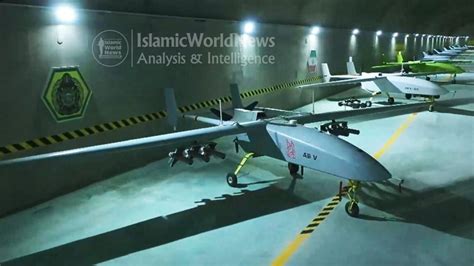
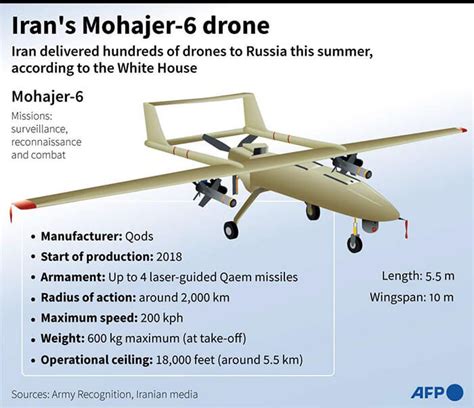
Another key platform, the Mohajer-6, operates at medium altitude and integrates electro-optical systems with guided munitions, enabling both day and night combat missions.
Strategic and Long-Range Drones
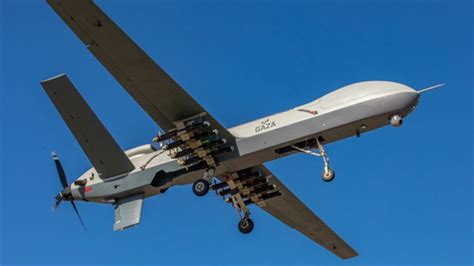
The Shahed-129, modeled loosely on the U.S. Predator, offers armed reconnaissance with a range exceeding 1,700 km. More recently, Iran unveiled the Gaza drone, a powerful successor to the Shahed family. Capable of 35-hour endurance and 4,000 km range, Gaza can carry 13 guided bombs and resembles the MQ-9 Reaper in both form and function.
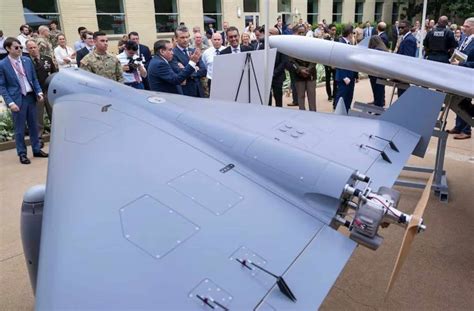
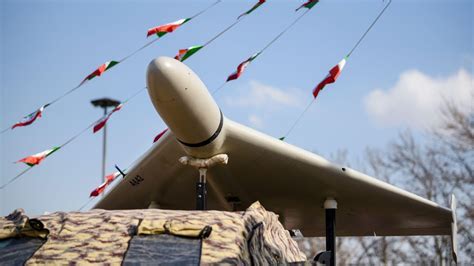
Of particular note is the Shahed-136, a so-called “kamikaze drone” with a 2,500 km range. Deployed en masse by Russian forces in Ukraine and by Houthi fighters in Yemen, the Shahed-136 represents the pinnacle of low-cost, high-impact drone warfare.
Naval Power and the Rise of Maritime Drones
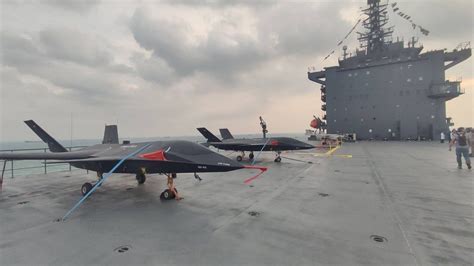
Iran has extended its UAV strategy to the seas, unveiling the Shahid Bagheri drone carrier, a converted cargo vessel outfitted to deploy drones like the Ababil-3 and Qaher-313. This vessel, paired with cruise missiles and electronic warfare systems, enables persistent ISR and strike capabilities throughout the Persian Gulf.
This naval integration reflects a deliberate effort to project power in contested waters and signal deterrence against U.S. carrier groups and regional adversaries.
Strategic Objectives: Asymmetric Warfare and Proxy Empowerment
Iran’s use of drones is best understood through the lens of asymmetric deterrence. Unable to match conventional U.S. or Israeli airpower, Tehran has leaned into cost-effective technologies that complicate adversary decision-making and saturate defense systems.
Drones are a centerpiece of Iran’s gray-zone strategy, allowing it to attack oil facilities, strike infrastructure, and gather intelligence without direct attribution. Notably, Houthi forces have used Iranian drones in high-profile attacks on Saudi Aramco facilities, disrupting global oil markets and testing Saudi air defenses.
Proxy Forces and International Exports
Iran has strategically proliferated its drones to aligned non-state actors and client states. Groups like Hezbollah, Houthi rebels, and pro-Iranian militias in Iraq and Syria have all integrated Iranian UAVs into their operations. These drones have allowed regional proxies to perform precision strikes and ISR tasks previously out of reach.
On a broader scale, Iran has marketed its drones to countries under arms embargoes or seeking affordable alternatives to U.S. and Chinese systems. Notable buyers include Venezuela, Ethiopia, and Armenia.
Technological Advancements and Modernization (2023–2025)
The last few years have seen remarkable progress in both stealth capability and payload sophistication. New UAVs like the Razvan, a next-generation loitering munition, boast reduced radar cross-sections and range profiles exceeding 2,000 km.
Furthermore, Iran has begun pairing UAVs with hypersonic systems like the Fattah-2, a Mach 5+ missile with potential to evade existing missile defense networks. Together, these platforms are pushing the envelope of regional deterrence and tactical surprise.
Electronic Warfare and Drone Swarms
Iran has also made strides in electronic countermeasures, drone swarming algorithms, and GPS spoofing—a key enabler for its long-range UAV operations in contested electronic environments. The development of AI-assisted target acquisition systems suggests a future where Iranian drones become semi-autonomous, shortening the kill chain and requiring minimal operator input.
Regional and Global Implications
The tactical use of Iranian drones has had immediate consequences across the Middle East. Attacks on U.S. bases in Syria and Iraq—often launched through proxies—have become frequent and increasingly precise, posing operational risks to U.S. personnel. Simultaneously, Saudi and Emirati assets remain vulnerable to over-the-horizon drone attacks.
Strategic Pressure Points
Iran’s drone diplomacy extends into global conflict zones. In Ukraine, Shahed-131 and Shahed-136 drones have been widely used by Russian forces to strike infrastructure and overwhelm air defense systems. Their low cost and large availability make them a force multiplier in prolonged conflicts.
These developments challenge traditional Western dominance in aerial warfare and underscore the need for robust counter-UAV strategies. Western defense planners are grappling with how to respond to Iran’s aggressive drone proliferation, particularly as it evades export restrictions through third-party intermediaries.
Conclusion: Iran’s Strategic Edge in Drone Warfare
Iran’s UAV program is more than a military achievement; it is a technological and geopolitical statement. By leveraging reverse-engineering, domestic innovation, and proxy distribution, Tehran has positioned itself at the forefront of low-cost warfare in the 21st century. Its drones serve not only as tactical tools but as symbols of resistance and independence from Western military hegemony.
The international community now faces an urgent dilemma: how to curtail the spread of Iranian drones while adapting to a world where unmanned systems define both warfare and diplomacy. As drone warfare becomes more accessible, Iran’s pioneering role will remain a case study in how smaller powers can use technology to reshape global strategy.