The F-16 and the Su-57 represent two distinct eras in fighter aircraft design. One is rooted in decades of proven performance, while the other embodies the future of aerial combat with next-generation technologies. This analysis delves into their generational differences, stealth capabilities, maneuverability, weapons systems, and the broader strategic implications in modern warfare.
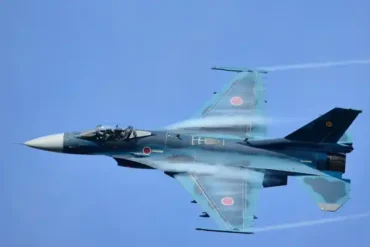
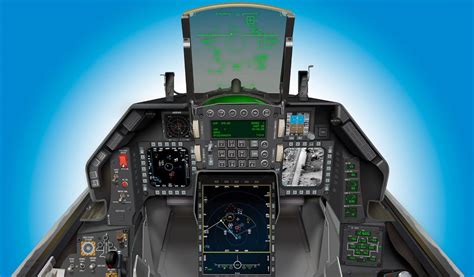
The F-16 Fighting Falcon is an American fourth-generation multi-role fighter that entered service in the 1970s. Celebrated for its high cost-effectiveness, flexibility, and mature technology, the F-16 has evolved over decades. Its latest variants, like the F-16V, incorporate advanced radar systems such as the AN/APG-83, along with upgraded avionics. However, its fundamental design remains that of a fourth-generation aircraft. In contrast, the Su-57 Felon is a Russian fifth-generation stealth fighter, which first took to the skies in 2010. It was designed from the ground up to emphasize stealth, supermaneuverability, and beyond-visual-range (BVR) combat capabilities.
Generational and Technological Context
F-16: A Legacy of Versatility and Proven Performance
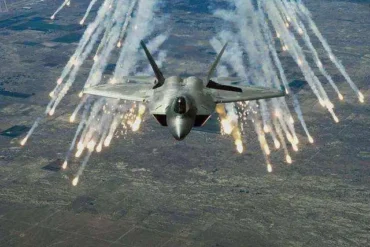
The F-16 Fighting Falcon has long been a cornerstone of Western air power. Its design philosophy emphasizes a balanced approach, combining aerodynamic agility with a robust electronic warfare suite. Over decades of operational history, the F-16 has been upgraded repeatedly, ensuring it remains relevant in modern combat scenarios. The F-16’s role as a multi-role fighter means it can execute air-to-air combat, ground attack, and reconnaissance missions with equal proficiency. Its design, while not incorporating stealth, leverages electronic countermeasures and externally mounted countermeasures like chaff and flares to mitigate detection and engagement risks.
Su-57: The Vanguard of Stealth and Supermaneuverability
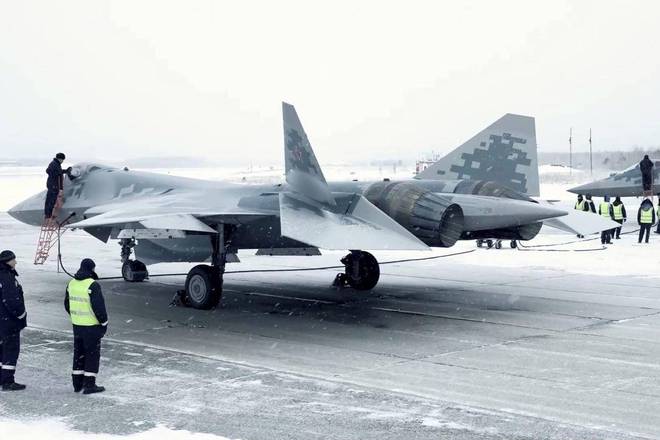
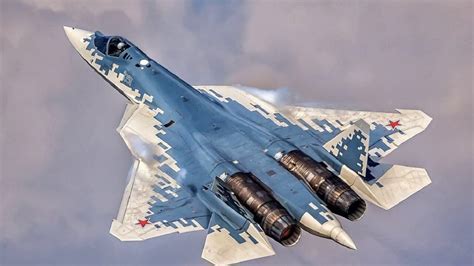
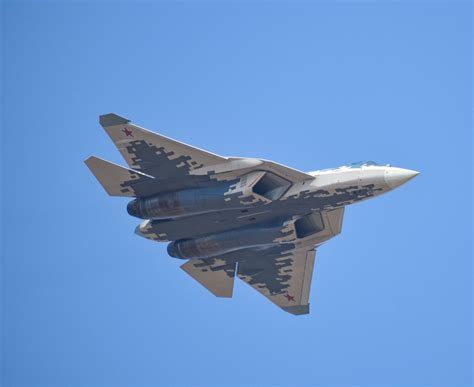
Conversely, the Su-57 Felon is built on the cutting edge of aerospace technology. As a fifth-generation fighter, it integrates stealth materials and design principles aimed at reducing its radar cross-section (RCS). Its advanced AL-41F1 engines with thrust vectoring capability allow it to execute extreme maneuvers, such as the “cobra” and high angle of attack maneuvers, which are nearly impossible for conventional fighters to replicate. The Su-57’s emphasis on beyond-visual-range combat is reinforced by its ability to carry long-range missiles, enabling it to engage adversaries before they can effectively counterattack.
Stealth Capabilities and Radar Signature
Su-57’s Stealth Technologies
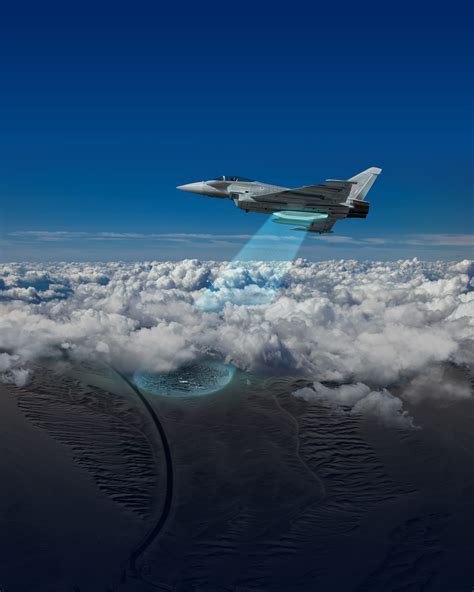
The Su-57 employs a range of stealth-enhancing technologies. Its design incorporates specialized radar-absorbent materials (RAM) and shaping that minimizes radar reflections. Despite these innovations, some experts argue that its stealth performance is not on par with that of the F-35 or F-22, largely due to design elements like the round engine nozzles which can increase the radar signature. The integration of the N036 active electronically scanned array (AESA) radar further enhances its detection and tracking capabilities. This advanced sensor suite is designed to detect enemy aircraft at distances exceeding 400 kilometers, which provides the Su-57 with a significant advantage in situational awareness and target acquisition.
F-16’s Counter-Stealth Tactics
Unlike the Su-57, the F-16 was not designed with inherent stealth capabilities. Instead, it employs an array of electronic warfare systems to disrupt enemy radar. The use of externally mounted countermeasures, such as jammers and decoys, plays a crucial role in its defensive strategy. While these measures can be effective, they do not negate the fact that the F-16 is more easily detectable by modern radar systems, especially when facing an adversary equipped with an advanced radar like the Su-57’s. This trade-off is a direct consequence of its design heritage, where proven reliability and cost-effectiveness took precedence over stealth.
Maneuverability and Close Combat Dynamics
High-Performance Maneuvering of the Su-57
The Su-57’s AL-41F1 engines provide it with unparalleled maneuverability, allowing it to perform complex aerial maneuvers that are virtually unattainable for fourth-generation fighters. Its thrust vectoring technology offers a significant advantage in close combat, enabling rapid changes in direction and the execution of maneuvers such as the “cobra” and “high angle-of-attack” maneuvers. This agility not only enhances its dogfighting capabilities but also allows the Su-57 to engage targets in confined airspace where traditional fighters might struggle.
Agility and Limitations of the F-16
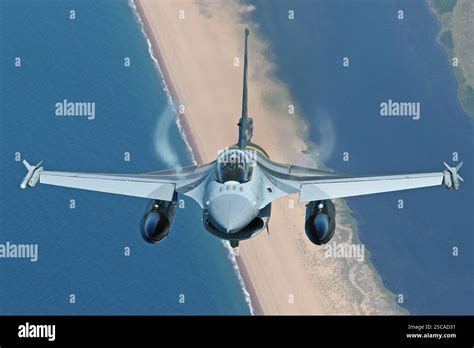
The F-16 is renowned for its agility, stemming from its lightweight airframe and aerodynamic design. However, while it remains a formidable fighter, it is inherently limited by its conventional layout. The absence of thrust vectoring restricts its ability to perform extreme maneuvers, particularly when pitted against modern fifth-generation fighters like the Su-57. Simulated combat scenarios and North Atlantic Treaty Organization (NATO) assessments have demonstrated that while fourth-generation fighters can hold their own in certain engagements, the advanced maneuvering capabilities of the Su-57 give it a decisive edge in close-range dogfights.
Weapons Systems and Beyond-Visual-Range Combat
Su-57’s Superior Long-Range Strike Capabilities
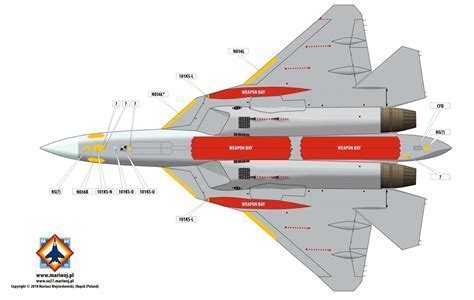
A defining feature of the Su-57 is its ability to engage targets at extreme distances. Equipped with the R-37M long-range air-to-air missile, which boasts a range of approximately 300 kilometers, the Su-57 can strike adversaries well before they have a chance to retaliate. Additionally, its integration of the Kh-59MK2 cruise missile provides it with a versatile offensive capability that can target both airborne and ground-based threats. This beyond-visual-range (BVR) combat capability is a cornerstone of modern aerial warfare, where the ability to strike first is paramount.
F-16’s Armament and Tactical Flexibility
In contrast, the F-16 relies primarily on the AIM-120 medium-range air-to-air missile, with an engagement envelope of roughly 160 kilometers. While the AIM-120 is a proven system in numerous conflicts, its shorter range compared to the Su-57’s arsenal means that the F-16 must close the gap to secure a kill. For close combat scenarios, the F-16 is also armed with the AIM-9X short-range missile, ensuring that it remains a capable dogfighter. However, the reliance on externally mounted ordnance can compromise its aerodynamics and increase its radar visibility, making it more vulnerable when facing adversaries equipped with advanced stealth and long-range weapons.
Integrated Combat Systems and Operational Environment
Enhanced Situational Awareness of the Su-57
The Su-57 is not merely a platform for stealth and firepower—it is a node in a larger, integrated network of modern warfare. Its data link systems allow it to share real-time tactical information with other assets, including ground stations and airborne early warning systems. The integration of electronic countermeasures further bolsters its survivability by providing a shield against incoming threats. This network-centric approach ensures that the Su-57 maintains a comprehensive battlefield picture, enhancing its ability to make split-second decisions in dynamic combat situations.
Reliance on Network-Centric Warfare for the F-16
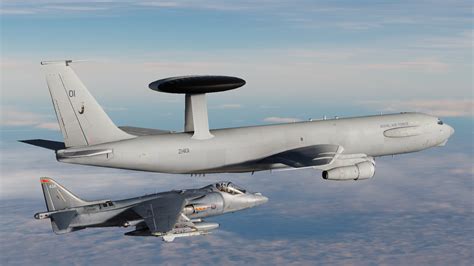
While the F-16 does not inherently possess the same level of integration, it benefits significantly from being part of the NATO ecosystem. Modern F-16s are often equipped with sophisticated data links that allow them to coordinate with AWACS (Airborne Warning and Control System) aircraft and ground-based command centers. This networked approach provides the F-16 with critical support, enabling it to overcome some of its technological shortcomings through collaborative warfare. However, if these integrated systems are compromised or jammed, the F-16’s operational effectiveness could be severely diminished—a vulnerability that adversaries may seek to exploit.
Logistics, Maintenance, and Deployment Considerations
Operational Readiness of the F-16
One of the enduring strengths of the F-16 is its well-established logistics and maintenance framework. Over decades of service, the F-16 has developed an extensive support network that includes specialized maintenance facilities, dedicated runways, and a reliable supply chain for spare parts and munitions. However, challenges remain, especially for older models such as the F-16A/B variants used in certain theaters, where maintenance issues and outdated systems can impact sortie rates. These challenges underscore the importance of continuous upgrades and the need for a robust infrastructure to maintain operational readiness in a high-intensity conflict environment.
Production and Sustainment Challenges for the Su-57
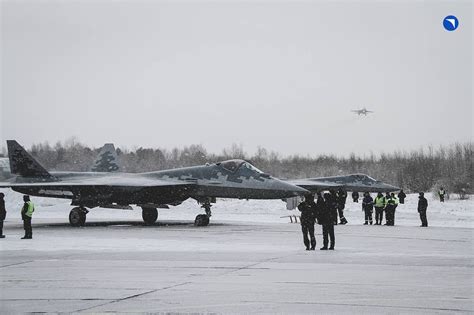
Despite its advanced design, the Su-57 faces its own set of challenges on the logistical front. The fighter’s production numbers are limited compared to the F-16, and issues related to its engine performance and stealth technologies have sparked debates among military experts. The complexities of integrating cutting-edge technologies into a reliable and maintainable system pose significant hurdles. Moreover, the Su-57’s reliance on state-of-the-art materials and specialized maintenance procedures requires a level of support infrastructure that is still evolving in the context of modern Russian military logistics.
Battlefield Case Studies and Strategic Impact
Lessons from the Ukrainian Conflict
Recent conflicts, such as the ongoing situation in Ukraine, have provided valuable insights into the practical deployment of these aircraft. In these scenarios, the Su-57 has been employed in roles emphasizing long-range interception and precision strikes. Although the actual numbers deployed remain limited, its presence underscores the strategic intent of integrating advanced stealth fighters into modern combat operations. On the other hand, the F-16s, which have been widely distributed among NATO allies, have been primarily tasked with air defense roles—such as intercepting unmanned aerial vehicles (UAVs) and missile threats—rather than engaging in direct dogfights with fifth-generation fighters.
Exhibitions and International Air Shows
International air shows and exhibitions have also played a pivotal role in shaping perceptions about these aircraft. For instance, controversies at events like the Indian air show have highlighted the contrast between the two platforms. The cancellation of certain demonstration flights, notably those involving the F-35, has been interpreted by some as an effort to avoid direct performance comparisons with the Su-57. Such events not only serve as platforms for showcasing technology but also act as psychological warfare tools, influencing the strategic calculus of potential adversaries.
Strategic Outlook: The Future of Air Combat
Evolving Combat Doctrine
The evolution of air combat is steering toward stealth, information superiority, and long-range precision strikes. In this landscape, the traditional advantages of fourth-generation fighters like the F-16 may gradually diminish unless continuously updated with modern systems. The Su-57, with its advanced stealth features and integrated sensor suite, represents the direction in which air combat is headed. However, the F-16’s legacy of tactical flexibility and its integration into a robust networked warfare ecosystem ensure that it remains relevant, especially in scenarios where numerical superiority and multi-role capability can offset technological gaps.
Balancing Numbers with Advanced Capabilities
While the Su-57 boasts impressive technological advancements, its overall impact on future combat will depend on factors such as production scalability, maintenance sustainability, and the successful integration of emerging technologies. The F-16, benefiting from decades of operational experience and an extensive logistics network, has demonstrated that sheer numbers combined with effective network-centric strategies can overcome some of the limitations inherent in older designs. This balance between quantity and quality will be a key factor in determining the outcomes of potential conflicts in the decades to come.
Conclusion
The battle between the F-16 and the Su-57 is more than a comparison of two aircraft—it is a reflection of evolving military doctrines and technological paradigms. The F-16’s proven track record and versatile multi-role capability have kept it at the forefront of air power for over half a century. In contrast, the Su-57 is a symbol of the future, encapsulating the move towards stealth, supermaneuverability, and advanced network integration. Although the Su-57 appears to have significant advantages in beyond-visual-range engagement and close combat maneuverability, the enduring value of the F-16 lies in its integration within a comprehensive NATO defense network and its unmatched legacy of reliability. As modern warfare increasingly emphasizes information warfare, precision strikes, and stealth, both platforms offer unique strengths that will shape the strategic landscape for years to come.

Frequently Asked Questions (FAQ)
What are the main differences between the F-16 and the Su-57?
The F-16 is a fourth-generation multi-role fighter known for its versatility and cost-effectiveness, while the Su-57 is a fifth-generation stealth fighter that emphasizes advanced stealth features, supermaneuverability, and long-range strike capabilities. The F-16 relies on networked support and traditional design, whereas the Su-57 leverages next-generation technologies for beyond-visual-range engagement.
How do the stealth capabilities of the Su-57 compare to those of the F-16?
The Su-57 is designed with stealth materials and shaping to reduce its radar cross-section, although its stealth performance is often seen as less refined compared to dedicated stealth fighters like the F-35. The F-16, lacking inherent stealth, depends on electronic countermeasures and external jamming pods to evade detection. This makes the Su-57 more effective in penetrating advanced radar systems, while the F-16’s survival often hinges on its ability to integrate with network-centric warfare systems.
Can the F-16 effectively counter the advanced maneuverability of the Su-57?
While the F-16 is renowned for its agile design, its conventional aerodynamic layout lacks the extreme maneuvering capabilities of the Su-57’s thrust vectoring engines. In close-range dogfights, the Su-57’s ability to execute advanced maneuvers such as the “cobra” gives it a tactical edge. However, the F-16’s strength lies in its multi-role flexibility and reliance on integrated support systems that can mitigate some of its disadvantages in direct aerial combat.
The strategic interplay between these two aircraft encapsulates the ongoing evolution of air combat, where technological innovation meets time-tested operational strategies.