A go-around is defined as the aborted landing of an aircraft, initiated when a safe touchdown cannot be assured. This decision can be made by the pilot in command or mandated by air traffic control (ATC). The term originates from traditional aerodrome traffic patterns, where aircraft circling an airfield may break off from final approach, climb back to pattern altitude, and re-enter the circuit for another attempt.
While modern airliners no longer strictly follow visual traffic patterns, the nomenclature remains. Even high-performance jets executing instrument approaches at international airports use the term “go-around” for their missed approach procedures.
Key Triggers: Why Pilots Go Around
A go-around may be initiated for numerous reasons, all tied to maintaining flight safety and regulatory compliance. Among the most prevalent triggers are:
- Unstabilized approach: If the aircraft’s speed, descent rate, or alignment are not within safe parameters by a defined altitude—typically 1,000 feet above airport elevation—a go-around becomes necessary.
- Runway obstruction: The presence of another aircraft, vehicle, animal, or debris on the runway.
- Wind shear or sudden weather change: Microbursts or shifting wind patterns that compromise controllability.
- Mechanical anomaly: Systems malfunction or improper configuration (e.g., flaps, gear).
- ATC instruction: When spacing or sequencing demands a missed approach for separation integrity.
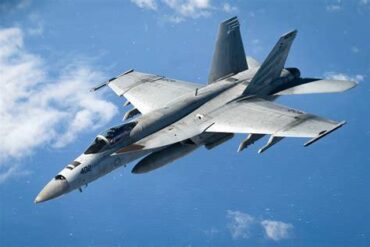
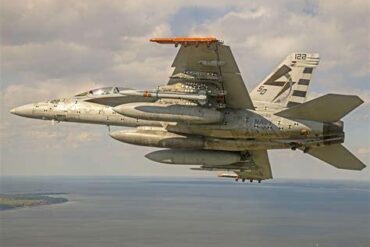
In naval aviation, a similar maneuver is known as a wave-off, particularly on aircraft carriers, where aircraft engage full thrust even during touchdown in anticipation of failed arrestor cable engagement.
The Go-Around Procedure in Detail
Executing a go-around is not as simple as climbing away from the runway—it is a highly choreographed procedure, adapted to aircraft type, approach method, and operational environment.
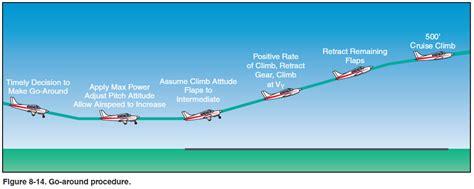
Upon initiating a go-around, pilots perform the following actions in sequence:
- Apply TOGA (Takeoff/Go-Around) thrust: Ensures sufficient power for positive climb.
- Establish climb attitude and airspeed: Typically a pitch angle between 10–15 degrees nose-up.
- Verify positive rate of climb: Once confirmed, retract landing gear.
- Manage flap retraction in stages: Ensures lift retention and energy preservation.
- Follow missed approach or ATC vectors: Pilots adhere to published go-around procedures or verbal ATC directions.
Modern aircraft like the Boeing 777 or Airbus A350 often have autothrust systems capable of automatically engaging TOGA power modes when the go-around is commanded.
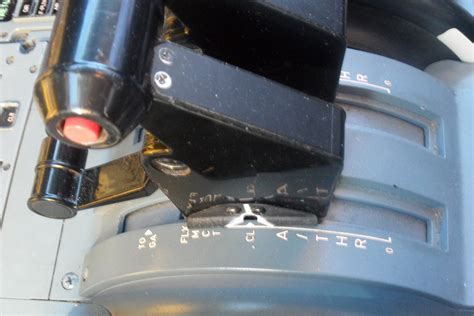
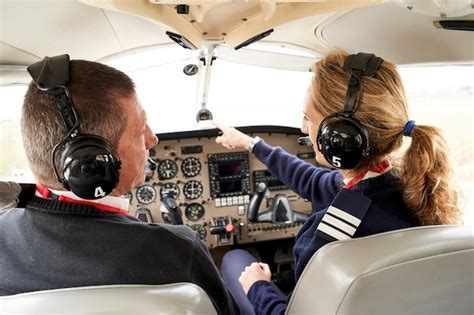
In general aviation, the procedure becomes more hands-on, requiring prompt throttle input, precise pitch control, and visual re-entry into the traffic pattern. Aircraft with fixed gear or limited automation rely more heavily on manual proficiency.
Go-Arounds Are Not Emergencies
It is crucial to stress that a go-around is not an emergency. Despite the perception among passengers that something has gone wrong, the maneuver is pre-emptive, not reactive. Pilots are trained to view it as a routine safety tool.
However, the failure to go around when necessary is a major contributor to aviation accidents. Data from the Flight Safety Foundation indicates that while only 3–5% of unstabilized approaches result in go-arounds, over 50% of commercial aviation crashes between 2012 and 2021 occurred during approach, landing, or go-around phases.
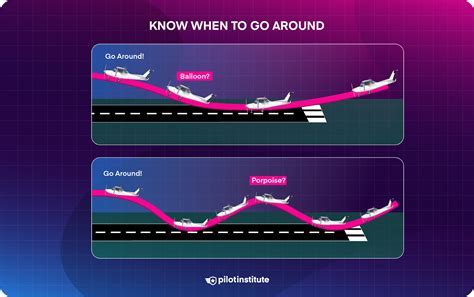
The reluctance to abandon a landing attempt—often due to get-there-itis, time pressure, or fuel concerns—can lead to runway excursions, hard landings, and loss of control incidents. Properly executed go-arounds serve as a barrier against these risks.
Baulked Landings: The High-Stakes Go-Around
A specific, high-risk subset of the go-around is the baulked landing, also known as a rejected landing. This occurs after the aircraft has descended below minimum decision altitude or has even made initial runway contact. At this point, the aircraft is often in a low-energy state, with reduced speed, idle thrust, and compromised lift.
Initiating a go-around under such conditions demands exceptional precision. Pilots must rapidly:
- Add maximum thrust
- Re-establish pitch
- Avoid runway overrun or ground contact
- Monitor aircraft trajectory for Controlled Flight Into Terrain (CFIT) risks
Many operators define strict criteria for when a baulked landing is permissible, usually limiting such maneuvers to when flight safety would be further compromised by continuing the landing.
Human Factors and Decision Bias
The most dangerous aspect of the go-around is not the maneuver itself but the human decision-making behind it. Studies from Embry–Riddle Aeronautical University show that pilots often ignore approach instability due to overconfidence, misjudged parameters, or task saturation.
Predictors of unstable approaches that correlate with delayed go-around decisions include:
- Thrust levers at idle
- Autothrottle deactivation
- Improper flap configuration
- Deviation from glide slope or localizer
- High descent rates or low airspeed
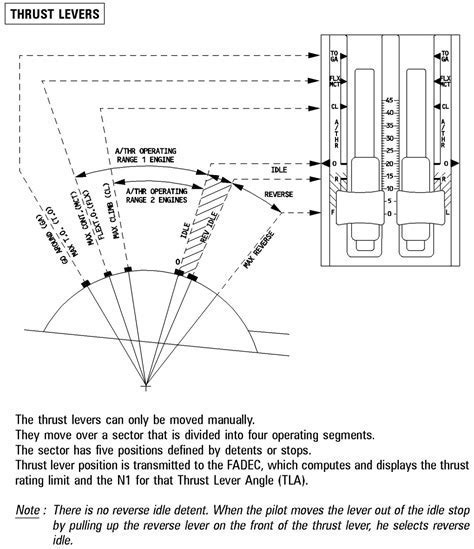
These findings emphasize the need for enhanced unstable approach training, situational awareness, and improved cockpit resource management (CRM). Pilots must be conditioned to view the go-around as a first-line safety tool, not a last resort.
Fuel, Traffic, and Strategic Implications
One common misconception is that a go-around is costly or unnecessarily disruptive. While go-arounds do consume additional fuel, extend flight time, and can create sequencing challenges for ATC, they are always more cost-effective than the fallout from a landing incident.
Furthermore, airports with high traffic volumes often have well-defined go-around corridors and missed approach hold points, enabling efficient re-integration of go-around aircraft into the arrival flow.
Conclusion: Mastering the Go-Around Culture
The go-around is not a sign of failure. It is a testament to sound judgment, procedural discipline, and aviation safety culture. As automation increases and airline operations become more data-driven, the industry must continue to normalize and reinforce go-around decision authority.
Airlines, regulators, and training organizations must develop:
- Clear go-around policies based on objective thresholds
- Regular simulation training with emphasis on high-workload go-around scenarios
- Pilot mentoring that de-stigmatizes go-arounds as an admission of poor flying
In aviation, a landing is optional, but going around is sometimes essential. By treating it as a proactive maneuver rather than a reactive fix, we uphold the principle that no landing is successful until the aircraft comes to a safe stop on the runway.