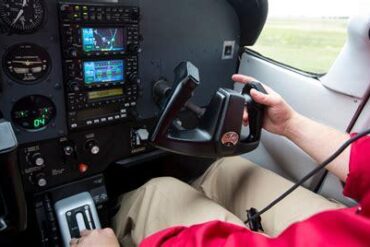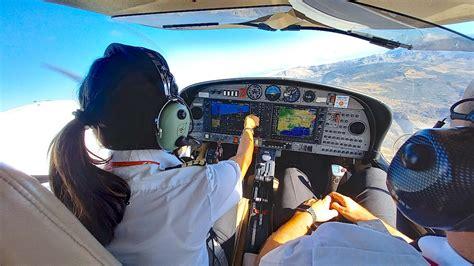
The pilot in command (PIC) is the individual responsible for the safe operation of an aircraft during flight. According to ICAO Annex 2, this role is crucial in civil aviation. In a typical flight with multiple pilots, the PIC is usually the captain. If there’s only one qualified pilot at the controls, that person also holds the title of PIC.
To be the PIC, a pilot must have the proper certification for the specific flight and its conditions. Interestingly, the PIC doesn’t always have to be actively controlling the aircraft. The key point is that they are legally accountable for the aircraft’s operation and safety at all times.
ICAO outlines the responsibilities of the PIC in paragraph 2.3.1 of Annex 2, titled “Rules of the Air.” This section states that the PIC must ensure the aircraft operates within established regulations, although they can deviate from these rules if safety necessitates such action. Additionally, paragraph 2.4 emphasizes that the PIC has the final authority regarding the aircraft’s operation while in command.
In emergencies, the PIC has the power to override regulations and choose the safest path forward based on their judgment. This authority is similar to that of ship captains navigating the seas, reflecting the critical nature of their responsibility. Ultimately, the PIC holds the highest level of decision-making authority when it comes to ensuring flight safety, regardless of other laws or regulations.