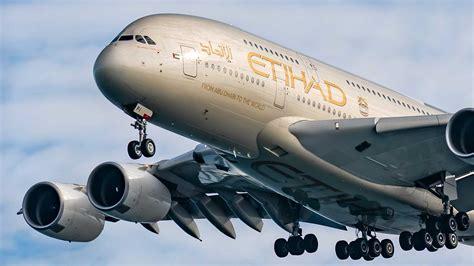
The Airbus A380 occupies a unique place in aviation history. Even years after the aircraft ended production, its presence remains unmistakable in skies and airports across the globe. Few commercial aircraft have ever achieved the same level of visual recognition among both aviation enthusiasts and casual travelers. The superjumbo’s immense scale, its full-length double-deck fuselage, and its association with luxury air travel have collectively shaped an identity that few other aircraft can rival.
Unlike many modern jets that blend together in appearance, the A380 stands apart immediately. Its profile alone communicates scale, innovation, and ambition. Designed during an era when major airlines expected hub airports to become increasingly crowded, the aircraft was built around the idea of transporting large numbers of passengers efficiently between major global hubs.
Yet the aircraft’s lasting recognition comes from far more than its size. Over the years, the A380 developed a reputation for quiet cabins, extraordinary passenger comfort, and unique onboard amenities. Airlines such as Emirates, Singapore Airlines, and Etihad Airways turned the aircraft into a symbol of premium long-haul travel. The result is that even travelers who have never stepped aboard one often recognize the aircraft instantly.
More than two decades after its first flight, the A380 continues to capture attention. Its return to service following the pandemic, combined with the absence of any true replacement, has kept the aircraft firmly in the public eye. The superjumbo may no longer roll off production lines, but its status as aviation’s most recognizable aircraft remains remarkably strong.
An Unmistakable Silhouette That Defines the A380
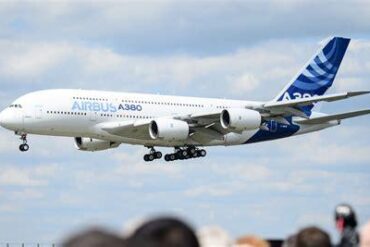
One of the most powerful reasons the Airbus A380 remains instantly recognizable is its extraordinary silhouette. Modern commercial aviation includes many widebody aircraft, yet most share a similar basic structure. They feature a single passenger deck with engines mounted beneath long swept wings. Even the largest jets often follow this familiar visual formula.
The A380 breaks away from that pattern entirely. Its full-length double-deck fuselage creates a tall, almost towering profile that stands apart from any other airliner in service. From a distance, even casual observers can identify the aircraft immediately. That distinctive shape is the result of Airbus’ original mission for the aircraft: transporting huge numbers of passengers efficiently between major global hubs.
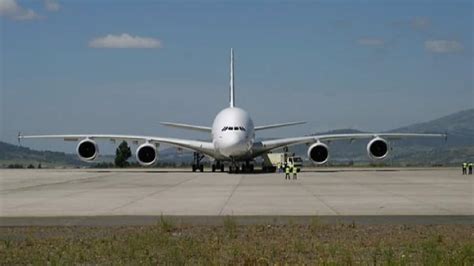
Unlike the famous Boeing 747, which features a partial upper deck that forms the aircraft’s iconic hump, the A380 carries its second passenger deck across the entire length of the fuselage. This design creates a sense of vertical scale that makes the aircraft appear enormous from nearly every angle. When taxiing past terminal buildings or parked beside other widebody jets, the difference becomes strikingly obvious.
In terms of capacity, the aircraft reinforces this impression of scale. Typical multi-class layouts carry around 500 to 550 passengers, while high-density configurations can exceed 800 seats. No other commercial aircraft has matched that capability in a single airframe. The combination of sheer size and a unique double-deck design has effectively turned the A380 into a category of airliner all its own.
This unmistakable appearance explains why the aircraft has remained visually iconic even among people who know little about aviation. Just as the 747 defined the image of long-haul travel for decades, the A380 created its own instantly recognizable identity for the twenty-first century.
A Cabin Experience Defined by Quiet and Space
The passenger experience inside the Airbus A380 is another reason the aircraft continues to stand out in the memories of travelers. Many passengers who have flown on the superjumbo describe the cabin atmosphere as surprisingly calm and quiet, particularly for an aircraft capable of carrying hundreds of people across continents.
That quiet environment begins with the aircraft’s design. The A380 was engineered with advanced noise-reduction technologies, including carefully optimized engine placement and structural insulation that reduces the amount of vibration and sound entering the cabin. The aircraft’s immense size also contributes to this effect, as the distance between passengers and engines helps dampen noise levels.
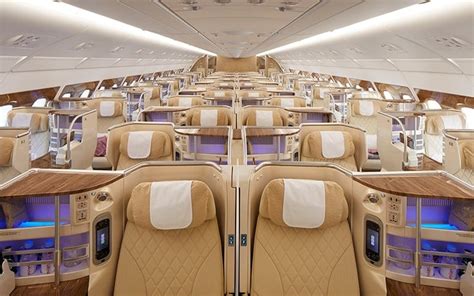
Passengers often notice the difference shortly after boarding. Conversations can occur at normal speaking volumes, and the background hum of engines feels softer compared with many other long-haul aircraft. This quieter environment becomes particularly valuable during overnight flights, when travelers hope to rest or sleep.
Beyond noise levels, the aircraft’s spacious cabin architecture enhances comfort in several ways. The fuselage is wider than most competing widebody jets, allowing airlines to install wider seats and broader aisles. Higher cabin ceilings further amplify the sense of openness, reducing the confined feeling that sometimes accompanies long-haul travel.
Airbus also introduced several interior innovations that have become common across modern aircraft cabins. These include LED mood lighting systems, which simulate sunrise and sunset to reduce jet lag, as well as advanced air circulation systems that refresh cabin air frequently. Combined with the aircraft’s naturally spacious interior, these features create an environment that many passengers consider among the most comfortable in commercial aviation.
The result is an aircraft that does more than simply transport large numbers of passengers. It delivers an onboard atmosphere that feels calmer and more refined than most travelers expect from a jet of such massive scale.
Emirates Turned the A380 Into a Symbol of Luxury Travel
While Airbus designed the aircraft, Emirates Airlines arguably shaped the A380’s global reputation more than any other company. The Dubai-based carrier ordered more than 120 A380s, making it the aircraft’s largest operator by a wide margin. Through that massive investment, Emirates effectively transformed the superjumbo into the centerpiece of its long-haul fleet.
Rather than using the aircraft purely as a high-capacity transport platform, Emirates leaned heavily into the A380’s abundant interior space. The airline designed cabins that felt less like traditional aircraft interiors and more like luxury hospitality environments in the sky.
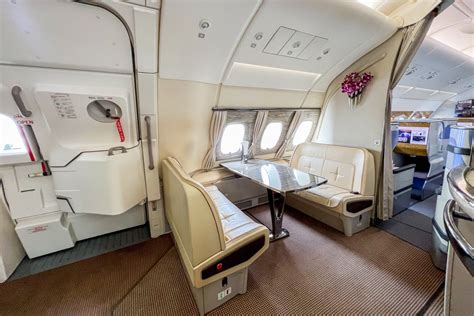
Perhaps the most famous features are the onboard shower spas available to first-class passengers. These fully equipped shower suites allow travelers on long-haul flights to refresh themselves mid-flight, a feature that once seemed almost unimaginable on a commercial aircraft.
The airline also introduced the A380 onboard lounge, located at the rear of the upper deck. This bar area provides premium passengers with a place to stand, socialize, and enjoy drinks during the flight. With curved seating, ambient lighting, and panoramic cabin windows, the lounge quickly became one of the most recognizable features of modern air travel.
These amenities transformed the aircraft into a symbol of aspirational travel. Promotional campaigns, travel documentaries, and viral social media videos frequently showcased the aircraft’s luxurious spaces, cementing the connection between the A380 and premium long-haul experiences.
Even years after the aircraft stopped being produced, Emirates continues to reinforce that association. The airline has invested heavily in cabin refurbishments that include updated suites, refreshed lounges, and new premium economy cabins. These upgrades ensure that the aircraft remains competitive while preserving its reputation as one of the most luxurious ways to travel long distances.
No Other Aircraft Replicates Its Unique Design Philosophy
Another reason the Airbus A380 continues to stand apart is that no aircraft has ever truly replaced it. Many airlines have transitioned toward efficient twin-engine widebody aircraft such as the Airbus A350 and Boeing 787 Dreamliner, which consume less fuel and operate economically on long routes with fewer passengers.
However, these aircraft serve a fundamentally different purpose. They prioritize efficiency and route flexibility, enabling airlines to operate more point-to-point routes instead of concentrating passengers through major hubs. While this model has become increasingly popular, it does not replicate the A380’s core design philosophy.
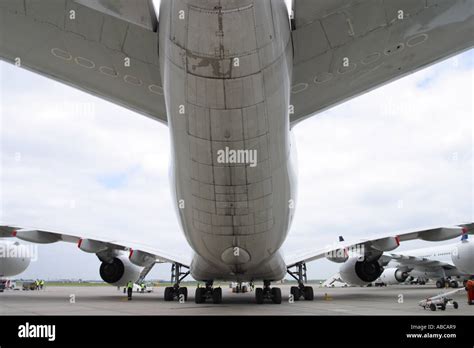
The A380 was built to solve a different challenge: maximizing passenger capacity on extremely busy routes between major global hubs. On sectors such as Dubai to London, Singapore to Sydney, or Los Angeles to Tokyo, the aircraft’s enormous capacity allows airlines to transport hundreds of travelers simultaneously while maintaining premium cabin space.
Its two full passenger decks give airlines unmatched flexibility when designing cabin layouts. Operators can allocate entire sections to first class, business class, or premium economy while still retaining large economy cabins. This configuration enables airlines to combine luxury travel experiences with extremely high passenger numbers in ways that smaller aircraft cannot replicate.
The aircraft’s impressive performance further enhances this capability. The A380 can fly over 8,000 nautical miles without refueling, allowing it to connect some of the world’s most distant cities in a single flight. Despite its massive size, it also incorporates advanced aerodynamics, composite materials, and sophisticated flight control systems that influenced many later aircraft designs.
Because of these characteristics, the A380 represents a unique chapter in aviation engineering. Even though the industry has shifted toward smaller widebody aircraft, the superjumbo’s combination of capacity, range, and passenger comfort remains unmatched.
The Post-Pandemic Comeback That Kept the A380 Relevant
At the beginning of the COVID-19 pandemic, the future of the Airbus A380 appeared uncertain. With global travel collapsing and airlines grounding fleets, many observers assumed the superjumbo would quietly disappear from commercial service.
For a brief moment in April 2020, only a handful of A380 aircraft remained active worldwide. Parking lots at major airports filled with grounded superjumbos, reinforcing the idea that the aircraft’s era might be ending.
Yet the aviation industry soon experienced a dramatic recovery in travel demand. As international routes reopened and passenger numbers surged, airlines faced unexpected capacity shortages. Delivery delays for new aircraft and rising travel demand created conditions where the A380’s enormous seating capacity once again became valuable.
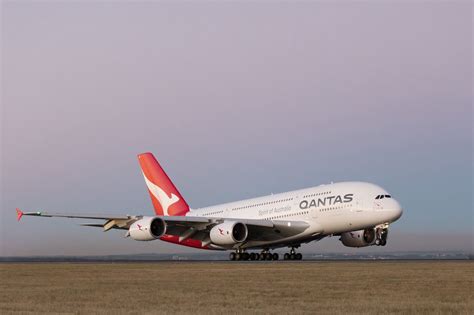
Gradually, airlines began bringing their A380 fleets back into service. Carriers such as Emirates, British Airways, Singapore Airlines, Qantas, Lufthansa, and Etihad Airways reactivated many of their aircraft to handle high-demand routes. Within a few years, more than 140 A380s returned to active operations.
The comeback helped restore the aircraft’s visibility across major international airports. Seeing the enormous double-deck jet taxiing to departure gates once again reminded travelers of the aircraft’s unique presence.
Airlines also began investing in refurbishments rather than treating the aircraft as a temporary solution. Emirates introduced redesigned interiors featuring premium economy seating, while other carriers upgraded cabins and entertainment systems. These improvements demonstrated that airlines still saw long-term value in keeping the A380 attractive for passengers.
Rather than fading into history, the aircraft regained a visible role in modern long-haul travel. Its continued presence on flagship routes reinforces the idea that the superjumbo remains more than just a nostalgic icon.
Why the Airbus A380’s Legacy Will Endure
The story of the Airbus A380 is ultimately about ambition and identity. The aircraft represented one of the boldest engineering projects ever attempted in commercial aviation. Designed to move unprecedented numbers of passengers while delivering a refined travel experience, it challenged traditional assumptions about aircraft size and passenger comfort.
Even though production ended in 2021, the superjumbo’s influence continues to shape how travelers think about long-haul flight. Its unmistakable silhouette, extraordinary cabin environment, and association with luxury travel created a level of recognition that few aircraft have ever achieved.
The aircraft also left a technological legacy. Many design concepts introduced during the A380 program—including advanced flight controls, improved cabin pressurization, and sophisticated lighting systems—have influenced newer aircraft designs. In that sense, the superjumbo’s impact extends well beyond the aircraft itself.
Most importantly, the A380 proved that commercial aviation could still capture the imagination of the public. In an industry often driven by efficiency and economics, the superjumbo reminded the world that flying can still feel grand, exciting, and visually spectacular.
As long as these massive double-deck aircraft continue to appear at major airports, they will draw attention from travelers and aviation enthusiasts alike. The A380 may no longer be built, but its identity as the world’s most recognizable airliner remains firmly intact.
Frequently Asked Questions About the Airbus A380
Why is the Airbus A380 so recognizable?
The aircraft’s full-length double-deck fuselage, enormous wingspan, and towering height create a silhouette unlike any other commercial aircraft. Even casual travelers can identify the aircraft immediately.
How many passengers can the Airbus A380 carry?
Most airlines configure the aircraft with around 500 to 550 seats across multiple classes. In high-density layouts, the aircraft can accommodate more than 800 passengers.
Is the Airbus A380 still flying today?
Yes. Many airlines continue operating the aircraft on major international routes. Several carriers have also refurbished their cabins to extend the aircraft’s service life for many more years.